WHO Flags India Among High-Risk Countries as El Niño Poses Rising Health Emergency
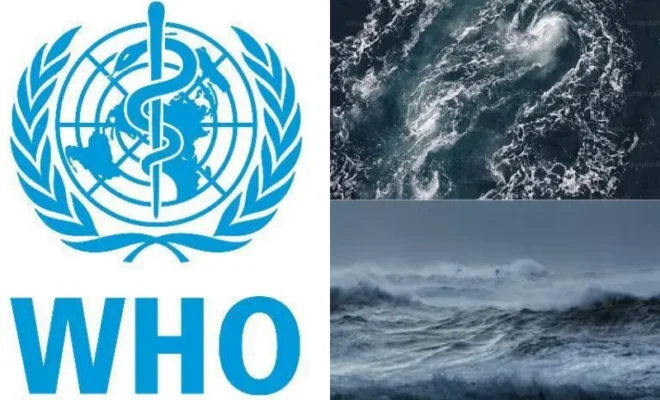
India is included by the World Health Organization (WHO) amongst the nations that are vulnerable to very high or high risks of public health dangers posed by the increasing intensity of the El Niño phenomenon. This follows increasing fears about the dangers of climatic change in South Asia, including heatwaves, water scarcity, communicable diseases, and food shortages.
As per WHO’s Global Public Health Situation Analysis – El Niño 2026 issued on 5th September, India is vulnerable to health challenges caused by climatic factors. WHO raised its level of preparedness for global emergencies to the highest level of 3 in its strategic plan released on November 2, 2026.
Why Is El Niño a Health Concern for India?
El Niño is an environmental effect in which the waters in the central and eastern parts of the tropical Pacific Ocean warm. This causes changes in the circulation patterns of the atmosphere and changes in temperature and rainfall patterns in various parts of the world.
In India, El Niño is associated with high temperatures and low rainfall in various regions. High temperatures increase the chances of people experiencing dehydration, heat exhaustion and heat stroke. In addition, it increases the incidence of heart diseases, lung diseases and kidney problems among others.
Rising Risks of Dengue and Other Infectious Diseases
The World Health Organization (WHO) has also stressed the possibility of an increase in climate-sensitive infectious diseases. Climate change may lead to favorable breeding grounds for mosquitoes due to changes in rainfall, temperatures, and water storage.
Dengue and malaria have always been serious worries, whereas floods and contaminated water sources make people more susceptible to leptospirosis.
Vulnerable groups include children, pregnant women, the elderly, outdoor workers, and patients suffering from other diseases.
Food Security and Healthcare Infrastructure Under Pressure
Apart from disease, El Niño could have an impact on India’s agricultural productivity through erratic rainfall and dry conditions. Low productivity could cause problems with food availability and nutrition among economically disadvantaged populations.
Weather extremes could also cause problems with the provision of health services, destruction of infrastructure, and distribution of health-related supplies. This situation would cause problems in accessing healthcare during emergencies.
WHO Calls for Stronger Preparedness
Priority areas for WHO Grade 3 response include disease surveillance, protection and prevention, health-care delivery support, and emergency coordination. WHO has specified an estimated need for funding amounting to $35 million during its first six months of operation.
For India, areas that will require emphasis include disease surveillance, establishment of early-warning system, provision of safe water supply, and preparedness of hospitals in dealing with heat emergencies.
The statement by WHO brings out the emerging relationship between climate change and health issues. The occurrence of El Niño phenomenon does not necessarily imply a health emergency at national level, but preparation is key.
Rail Connectivity, Pollution Control, Automobiles, Drug Enforcement & Diplomacy
What Is the Route of the New Bengaluru-Mangaluru-Madgaon Vande Bharat Express?
Explore the train’s route, check its scheduled stops and timings, and discover how the new service could improve connectivity across Karnataka and Goa.
Why Is CAQM Planning Urgent Field Visits to Punjab?
Understand the rise in stubble-burning incidents after Diwali, explore the commission’s proposed ground inspections, and discover what measures could help address agricultural pollution.
What Can Buyers Expect from the Next-Gen Toyota Fortuner?
Discover the December 2026 India unveiling plans, explore the expected design and feature upgrades, and check what is known about its anticipated price.
How Does Gujarat Plan to Become Drug-Free by 2028?
Explore Amit Shah’s target, understand the proposed crackdown on narcotics networks, and discover the enforcement measures being emphasised to tackle drug trafficking.
What Is on PM Modi’s Agenda During the Philippines Visit?
Explore the November 16–18 visit to Manila, discover the key ASEAN Summit priorities, and understand the bilateral discussions expected to shape India-Philippines relations.