
Can a Heart Stent Get Blocked Again? Expert Cardiac Surgeon Explains Post-Procedure Risks
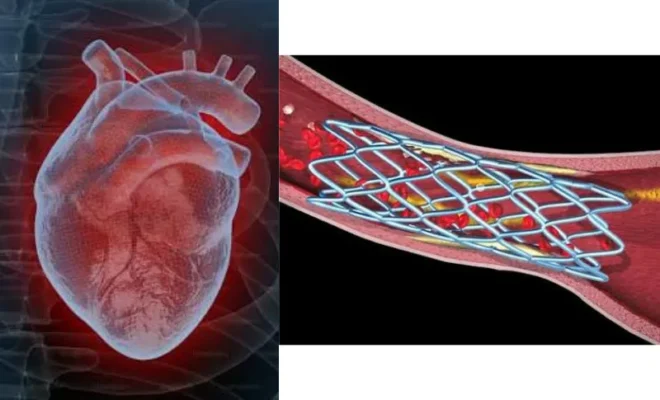
For a person who had an angioplasty done, having a stent in the heart could mean the end of a terrifying experience with medical care. The clogged artery was unblocked, there was better blood circulation and the imminent danger of a heart attack was avoided. But one thing that still needs to be asked is, will the same stent get clogged once again?
And the answer to this is, yes it is possible. Even though there has been a significant advancement in the technology used to place a stent inside an artery, it does not guarantee that a person will never face the problem of clogged arteries again. For some people, the artery treated with stent gets narrower, while others develop new clogs in other coronary arteries.
It is necessary to know about this since a stent inside a person’s body is not a permanent solution for coronary artery disease.
Why Can a Heart Stent Get Blocked Again?
A coronary stent is a tiny metal mesh tube which is implanted into the narrowed artery to open up the vessel and increase blood flow to the heart.
Nevertheless, in-stent restenosis may occur. This means that excessive growth of the tissues takes place inside the stent and narrows the pass for the blood flow.
There are various causes of such situation, including diabetes, kidney disease, complex blockages, small size of blood vessels and characteristics of the original lesion.
One more issue is the stent thrombosis, meaning the formation of blood clots in the stent. Unlike the gradual restenosis, the thrombosis causes the complete obstruction of blood flow and the risk of a heart attack.
This is what these two issues are and they are different from each other.
Does a Blocked Stent Mean the Angioplasty Has Failed?
Not always. The stent could be patent for several years, and many people report significant improvement in their condition after having an angioplasty.
The problem is that coronary artery disease is a progressive disease. A stent opens a particular portion of the artery; it does not prevent the formation of fatty deposits in the walls of blood vessels.
Thus, a person might have another blockage even if the stent itself is working well. Plaques will appear in another part of the artery or in another coronary artery.
Hence, a cardiologist’s diagnosis should include the whole coronary arteries’ system, not just the stented one.
Warning Signs That Should Never Be Ignored
The earlier one detects the symptoms, the better chances they have of dealing with the complications.
They need to be on the lookout for the following symptoms:
- Chest pain, discomfort or pressure, especially when exerting oneself physically.
- Breathing difficulties that are recent or worsening.
- Increased fatigue while doing regular tasks.
- Discomfort in the chest that radiates to the arms, shoulders, back, neck or jaw.
- Sweating, feeling nauseous or dizzy, with chest pain.
These are not necessarily signs that the stent has been occluded. However, they call for a doctor’s examination, especially if the patient suffers from coronary artery disease.
Unexpected chest pain, difficulty breathing, feeling faint, or other signs pointing to a heart attack call for emergency medical attention right away.
Why Medication After Stenting Is Non-Negotiable
One of the key obligations in the aftermath of angioplasty includes taking medications as prescribed by doctors.
Usually, patients are provided with antiplatelet drugs like aspirin along with an antiplatelet agent that helps prevent any clotting within the stent. How long a patient needs to continue with this regimen depends upon the kind of stent used, cause of angioplasty and patient’s overall health condition and risk of bleeding.
It is always risky if such medicines are stopped without consulting the doctor, as they may lead to some complications like stent thrombosis.
In addition to that, statins may be prescribed to control LDL levels and prevent plaque formation. Medicines for hypertension, diabetes and other related diseases may also be recommended.
It is very risky if such medications are stopped just because the chest pain is no more there or the patient feels alright.
Can Lifestyle Changes Prevent Another Blockage?
Medication is crucial, however, lifestyle changes are needed to ensure the good health of your cardiovascular system in the future.
Eat right: You need to include leafy vegetables, fruits, grains, nuts, legumes, and healthy fats in your diet. Also, avoid eating food with high levels of saturated and trans fat, sodium, and sugar.
Exercise regularly: Walking, running and other types of suitable exercises will contribute to cardiovascular fitness. The patient needs to have a physical activity program created by the cardiologist.
Monitor diabetes and blood pressure: Diabetes and hypertension lead to faster deterioration of blood vessels and thus increase cardiovascular risk.
Avoid smoking: Tobacco consumption damages blood vessels and leads to additional complications. Giving up smoking is one of the most important things that must be done after angioplasty.
It is necessary to maintain proper body weight: It is important to manage abdominal fat for improved cholesterol, blood pressure and blood glucose levels.
Additionally, cardiac rehabilitation will enable you to engage in physical activities and to learn to handle cardiovascular risks.
How Do Doctors Check Whether a Stent Is Blocked?
Doctors will first conduct an assessment through symptom, medical history, physical exam, and any tests that are necessary. The doctor may recommend either ECG, echocardiogram, or a stress test, based on the clinical condition.
In the case of significant blockages, a coronary angiography could reveal narrowed or blocked portions of the arteries. Some other methods of diagnosis could help doctors to assess the condition of the stent.
The choice of treatment method will depend on the cause and the level of the blockage. Medication, repeat of balloon angioplasty, stent, and possibly coronary artery bypass surgery could be considered as possible treatments.
Not all patients who feel fine need an invasive angiography.
A Heart Stent Is a New Beginning, Not the Finish Line
Misunderstanding No.1 concerns the effect of angioplasty on the patient. It is generally believed that the restoration of blood circulation by means of angioplasty guarantees the end of heart diseases. However, what it does is restoring the blood flow to the specified area, while the underlying cardiovascular disease needs constant care.
Proper follow-up, prescribed drugs, proper handling of cholesterol and healthy lifestyle adjustments can significantly decrease the possibility of having problems in the future.
In addition, people need to know that feeling well does not imply stopping using the treatment program. The best way to ensure oneself is to consider coronary artery disease as a chronic illness, and not just a one-time surgery case.
Successful angioplasty helps patients live better and saves their lives; nevertheless, the best way to preserve all advantages is consistent care. The aim after receiving the heart stent should not be maintaining the opened tube only. The main task is taking care of the whole cardiovascular system in the future.
Movie Reviews, Important Deadlines & Essential Public Guides
Raja Shivaji vs Ek Din: Which Film Should You Watch?
Explore the reviews, story highlights, and key differences to help plan your Maharashtra Day movie outing.
How Can You Update Your Aadhaar Address for Free?
Find out the free update deadline and follow the online process to change your Aadhaar address.
What Are the New OCI Minor Passport Rules for 2026?
Discover the latest update on OCI rules for minors, including passport requirements and important details parents should know.
How Can You Register for the Adi Kailash Yatra 2026?
Explore the registration process, travel route, and medical requirements for pilgrims planning the Adi Kailash Yatra.
How Can Senior Citizens Enrol for Ayushman Bharat?
Learn how eligible citizens aged 70 and above can enrol for the health cover scheme and access its benefits.