
Snana Yatra 2026 Explained: Rituals, Significance and Everything to Know Before Rath Yatra
Last updated on July 10th, 2026 at 11:37 am
Every year, hundreds of thousands of people converge in Puri, Orissa, for one of the most holy events connected to Lord Jagannath. Known as the Snana Yatra, this festival occurs on the day of full moon (Purnima) in the month of Jyeshtha, and it is characterized by the ceremonial bathing of Lord Jagannath, Lord Balabhadra, Devi Subhadra, and Sudarshan Chakra.
The significance of Snana Yatra 2026 is that it becomes the first event in the series of important religious rituals prior to the celebrated Jagannath Rath Yatra.
Why Is Snana Yatra Celebrated?
Snana Yatra marks the day of the birth of Lord Jagannath and represents spiritual cleansing.
According to the traditional belief, the bathing process includes the use of 108 pots of water that have been filled from a specially guarded well within the compound of the temple. This water contains ingredients like sandal wood, perfumed herbs, flowers, and many others.
This process of bathing has a symbolic meaning and means preparing the deities for the upcoming Rath Yatra.
Witnessing Snana Yatra is considered as giving devotees blessings and spiritual purity.
The Rituals Performed During Snana Yatra
The festivities kick off right at the very start of the day with extensive Vedic recitations and temple rituals.
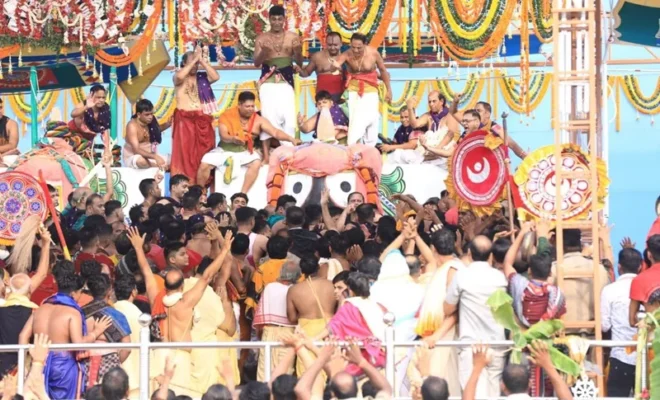
The gods are then ceremoniously taken out in a massive processional parade called Pahandi from the sanctum sanctorum to the Snana Mandap with musical accompaniment of bhajans along with the blowing of shankh (conch shell) and chanting of prayers by thousands of devotees.
Once on the bathing platform, priests conduct the ritual bathing of the gods using 108 pots of holy water. After the bath, the gods are dressed up in a unique Hati Besha (Elephant Attire) where the gods Jagannath and Balabhadra take the form of God Ganesha.
Why Do the Deities Fall ‘Ill’ After the Bath?
One of the most interesting customs regarding Snana Yatra is the custom whereby the gods contract a fever after being bathed ceremonially.
As per tradition, it is said that the gods fall ill owing to the bathing process. They are then taken through what is called the Anasara period wherein they are secluded from sight for about 15 days.
In this time, priests from the temple undertake various procedures to cure the gods and they are administered herbal medicines and light meals as per tradition.
It is a symbolic period where the gods recuperate before appearing for Rath Yatra.
Connection Between Snana Yatra and Rath Yatra
The Snana Yatra is the spiritual beginning of the Rath Yatra festival.
Once the Anasara ritual is over, the deities reappear for Nava Jaubana Darshan, wherein people can see the Lords in their freshened-up state.
After that, the majestic Rath Yatra commences, where Lord Jagannath, Lord Balabhadra, and Devi Subhadra go on an elaborate chariot ride from the Jagannath temple to the Gundicha temple.
The Snana Yatra marks the first chapter of this annual pilgrimage for the devotees.
Spiritual Significance for Devotees
The Snana Yatra festival serves as a reminder of humility, cleansing, and devotion to the divine.
The ritual bathing marks the cleansing not just of the deities but the minds and souls of the devotees witnessing the ceremony with devout belief.
Fasting, praying, chanting the name of Lord Jagannath, and performing good deeds by many devotees mark this day as they believe that all these actions will bring them peace and prosperity.
Can Devotees Witness Snana Yatra?
Absolutely. The Snana Yatra is one of those few instances where the deities become visible to thousands of devotees.
Thousands of pilgrims flock to the city of Puri each year just to watch the ritual being performed right in front of their eyes from the Snana Mandap. Some others take part in the ritual watching on live television channels as well as the Internet.
Because of the large number of people present, tourists are recommended to plan their trip accordingly.
Why Snana Yatra Remains So Important Today
In spite of being several centuries old, the Snana Yatra festival still continues to draw thousands of devotees to this day due to the way in which it beautifully merges faith, rituals, tradition, and communal involvement.
Besides being a sacred bath, it serves as a symbolic message telling us that it is important to renew, prepare, and get ready before starting a new path.
In addition, it sets the mood of the highly awaited festival of Rath Yatra.
Stay Updated With Trending Stories
- What Is Operation Amistad All About?
Explore the latest details behind Operation Amistad and why India sent medical support to Venezuela. - Is Moto Pad 70 Pro Worth Buying?
Discover the key features, price, specifications, and availability of Motorola’s latest tablet launch in India. - How Is Microsoft MAI Code-1 Changing AI?
Check the new updates, features, and benefits of Microsoft’s MAI Code-1 across Copilot platforms. - When Will Lock Upp Season 2 Arrive?
Explore contestants, OTT details, release date, prize money, and everything about the upcoming reality show. - How Did Turtle Smuggling Network Operate?
Discover how the protected turtle trafficking network allegedly used Indian Railways for illegal wildlife trade.
Conclusion
Snana Yatra 2026 will be much more than just a ritual. This event is a sacred initiation of the annual trip of Lord Jagannath and will be one of the most sacred events in Hinduism.
Whether it’s the ceremony of taking a bath using 108 pots that contain holy water or the sacred rituals of Hati Besha and Anasara, all these rituals have been performed for ages by devout believers.
For millions of devotees around the world, participating in the Snana Yatra is a good omen that is supposed to prepare the idols as well as devotees for the upcoming grand festival of Rath Yatra.
Snana Yatra is not just the bathing ritual of Lord Jagannath; it is a sacred initiation of the upcoming Rath Yatra festival.