RBSK 2.0 Digital Health Card Explained for Children
Last updated on July 10th, 2026 at 11:14 am
India’s child healthcare system is undergoing a major digital upgrade with the launch of the new RBSK 2.0 digital health card initiative.
With the new scheme that has been put in place through the Rashtriya Bal Swasthya Karyakram, there will be an improved manner in which the health screening, treatment, referral, and documentation of health records for children will be done.
Through this initiative, it will be possible for children aged between zero and 18 years to have their health records stored electronically based on their health screenings carried out in schools, anganwadi centers, and public health care clinics.
What Is RBSK 2.0?
The Rashtriya Bal Swasthya Karyakram (RBSK) is a child health screening programme that was developed under the umbrella of the National Health Mission.
At its outset, the programme had been limited only to the identification of the “4Ds” for children defect at birth, disease, deficiency, and developmental delay.
However, the recent RBSK 2.0 digital health card includes much more than just these issues. The revised guidelines include issues pertaining to the mental and behavioural health of the child, apart from lifestyle disorders such as diabetes and hypertension.
The new guidelines adopt a more comprehensive lifecycle-based approach for children up to 18 years old.
What Are Digital Health Cards for Children?
The most significant inclusion in the revised version of RBSK, RBSK 2.0, is the introduction of the digital health card.
This digitized document is intended to record and monitor the healthcare process of the child more effectively. Rather than depending solely on physical documents or scattered documents.
The process will seek to establish a digital connection for the health information of the child which would be easy for healthcare personnel, school authorities, and parents to follow.
What Benefits Will Children Receive?
Early detection and intervention are among the key themes that define the RBSK 2.0 Digital Health Card program.
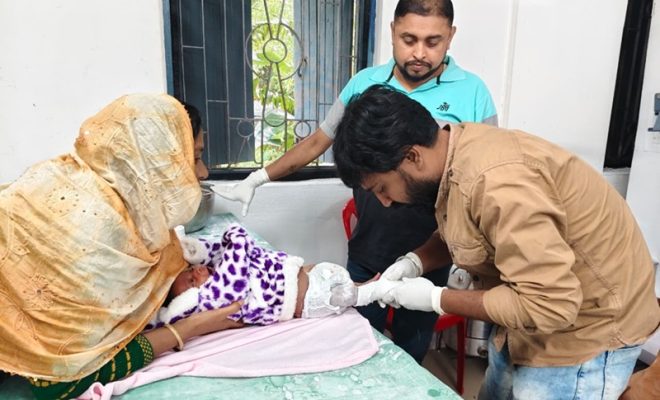
The health screening offered in this program can include health check-ups, developmental screening, eye and ear tests, nutrition assessments, mental health assessments, specialist referrals, and follow-up monitoring of children in this program.
This program also seeks to increase referral continuity so that the medical needs of children are not overlooked.
How Parents Can Get the Digital Health Card
The entire procedure is likely to be done mostly through government-associated healthcare facilities and schools linked with the program.
Parents are likely not going to have to go for separate applications if they have children in screening programs associated with the schools and anganwadi institutions. The children who have been screened via the RBSK program are likely to have electronic records generated from the government-associated healthcare facility.
Parents are encouraged to maintain regular contact with the government-associated schools, anganwadis, ASHAs, local government healthcare centers, and the mobile health screening centers. There might be variations within states in terms of how the program is implemented. The RBSK portal is likely to play a vital role in this regard.
Why Early Screening Matters
Delayed diagnosis is one of the most significant issues facing children’s healthcare. Developmental disorders, malnutrition, hearing and sight problems, and behavioral issues are often undiagnosed for many years, particularly in places where access to healthcare is poor.
The RBSK 2.0 digital health card project addresses this problem by creating a system of continuous health monitoring that uses data.
Early detection increases the likelihood of timely intervention and positive results.
The government claims that the new framework improves the referral follow-up system so that children can receive treatment beyond the initial screening stage.
Why Digital Tracking Is a Big Shift
Paper records have indeed been used extensively in India’s government healthcare system. These cards may prove to be beneficial for continuity in healthcare, proper documentation, tracking follow-ups, healthcare coordination, and accessibility when the students move from one school to another.
These measures go in line with India’s attempt at making healthcare facilities more digital through its different health policies.
Recommended Reads You Shouldn’t Miss
Explore R. B. Choudary’s Final Wish
Check Virat Kohli’s Luxury Car Investments
Discover CUET UG Admit Card Updates
Check the latest CUET UG Admit Card 2026 release details, exam dates, and download process.
Explore Karan Johar’s Met Gala Cape
Discover the inspiration behind Karan Johar’s Raja Ravi Varma-inspired Met Gala 2026 outfit.
Check Fazlur Rahman Debate Controversy
Explore why Fazlur Rahman’s “Double Offence” remark sparked political and national discussions.
What Challenges Still Exist?
Despite its ambitiousness, some difficulties can arise while implementing the programme.
Internet connection is a critical component for the development of digital healthcare systems, which also requires skilled healthcare professionals, new infrastructure, and awareness among parents. Ensuring the availability of digital technology and integrating data can take some time for rural and semi-urban areas.
Successful realization of the digital health card programme under RBSK 2.0 will depend on the coordination between all the institutions concerned with children.
Conclusion
The RBSK 2.0 digital health card initiative represents one of India’s biggest pushes toward digitally connected child healthcare.
By combining early screening with real-time digital tracking, the programme aims to improve healthcare access, continuity, and long-term health outcomes for millions of children across the country.