
12 Must-Visit Tourist Spots in Mumbai for 2025 Travel Guide
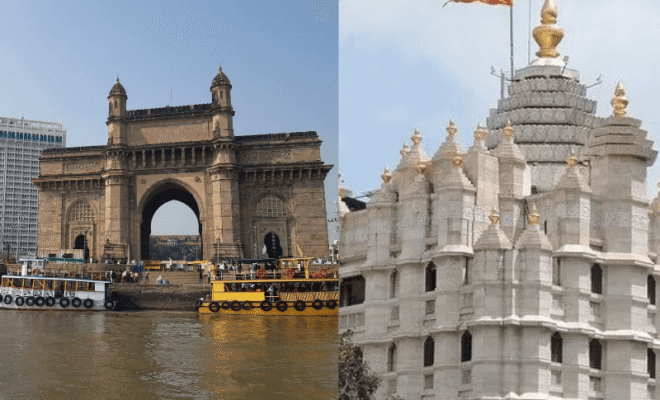
Step into Mumbai and the noise comes first. Taxis honk without pause. Vendors shout prices for vada pav and chai. The salty wind from the Arabian Sea pushes through exhaust fumes. Tourist spots in Mumbai aren’t quiet escapes. They are part of the city’s constant hum, often making headlines in India tourist news for their unique vibrancy.
Mumbai attractions range from colonial arches to crowded temples, from art districts to laundry yards. A visitor can walk between history and chaos in minutes, and later unwind at some of the best Restaurants in Mumbai, which add another layer to the city’s cultural experience.
Major Tourist Spots in Mumbai at a Glance
| Tourist Spot | Highlight | Best Time to Visit |
| Gateway of India | Arch by Arabian Sea | Morning or evening |
| Elephanta Caves | Rock-cut shrines | Half-day trip |
| CST Station | Gothic rail terminal | Daytime |
| Prince of Wales Museum | Historic collections | Anytime |
| Marine Drive | Queen’s Necklace | Sunset |
| Siddhivinayak Temple | Ganesha shrine | Early morning |
| Mahalaxmi Temple | Goddess Mahalaxmi | Evening prayers |
| Bandra Fort & Bandstand | Sunset walks | Evening |
| Kala Ghoda Precinct | Art galleries & cafés | Afternoon |
| Dhobi Ghat | Open-air laundry | Morning hours |
| Jijamata Udyaan | Zoo & gardens | Daytime |
| Kanheri Caves | Buddhist caves | Early morning |
12 Must-Visit Tourist Spots in Mumbai
Tourists often plan too much. Mumbai traffic tears those plans apart. Still, skipping these places feels like skipping the city itself.
1. Gateway of India – Mumbai’s Timeless Symbol
The stone arch looks over the sea. Ferries honk as they leave for Elephanta. Families crowd the plaza, cameras flashing. Peanut sellers circle, pigeons flap across the sky. Behind it, the Taj Mahal Palace Hotel frames the view.
2. Chhatrapati Shivaji Maharaj Terminus – UNESCO Heritage Site
The station shakes with noise. Trains screech, guards whistle, crowds push. Above it all stand Gothic towers, stained glass, and stone lions. It feels like two worlds—heritage building on top, daily grind below.
3. Elephanta Caves – Rock-Cut Wonder
The ferry rocks hard on the water. Spray sticks to shirts, the sun burns overhead. After climbing steps, the caves open into silence. Massive carvings of Shiva stare back. Outside, lime water vendors call for attention.
4. Siddhivinayak Temple – Spiritual Centre of the City
By dawn the queue already bends across the street. Office workers, college kids, grandparents—each carrying coconuts or flowers. Bells clang nonstop inside. The idol of Ganesha glows through incense smoke. For many locals, this stop isn’t tourism, it’s routine.
5. Mahalaxmi Temple – A Blend of Faith and Architecture
Incense hits the throat the moment one steps inside. Sea waves crash faintly in the background. The stone floor stays cold under bare feet. Tourists stare at carvings, worshippers hurry forward with folded hands.
6. Marine Drive – The Queen’s Necklace of Mumbai
Evenings bring crowds. Teenagers sit on the seawall, joggers weave through, families unwrap bhel puri. By night the curve of lights forms the necklace across the bay. Waves slap louder than the traffic behind.
7. Bandra Fort and Bandstand Promenade – Sunset Views with History
Old fort walls crumble quietly while the Sea Link bridge gleams across the water. Vendors roast corn, couples lean against the wall, children climb rocks too close to the tide. Sunset throws orange across ruins and towers.
8. Kala Ghoda Art Precinct – Hub of Creativity and Heritage
Walls burst with murals. Cafés spill onto the street. Galleries pull visitors inside. During the arts festival, the lanes choke with people squeezing through installations and live music. Even on a slow day, it feels busy.
9. Prince of Wales Museum (CSMVS) – Treasure of Indian History
Domes rise behind palm trees. Inside, glass cases hold miniature paintings, coins, and statues. School groups sketch quietly. Tourists drift slower, staring at both the exhibits and the building itself.
10. Dhobi Ghat – World’s Largest Open-Air Laundry
The air is thick with steam. Wet cloth slaps stone again and again. Bedsheets, saris, uniforms flap overhead like flags. Generations of washermen work here, sending clean laundry back to hotels and homes.
11. Jijamata Udyaan – Colonial Charm with Nature
At Byculla, families picnic under shady trees. Children press against cages, parents unpack food. The zoo feels worn but alive. Inside the grounds, the Bhau Daji Lad Museum glows with polished wood and glass.
12. Kanheri Caves in Sanjay Gandhi National Park – Nature Meets History
The forest hums with cicadas. Trails lead up into stone hills carved with caves. Inside, prayer halls echo with silence. Outside, monkeys steal snacks from careless visitors. Ancient calm wrapped inside today’s city.
Practical Travel Pointers for Visitors
Best time for sightseeing is November to February. The air feels lighter, walking gets easier. Monsoon season floods streets fast, taxis vanish, and schedules collapse, but this season also reveals why it is among the Best Places to Visit in India.
Local trains run quick but crush first-time travellers. The metro feels calmer though it covers less. Taxis eat more money but save energy. Chowpatty and Juhu food stalls are worth it—pav bhaji, bhel—but bottled water is a must. Evenings at Marine Drive or Bandra Fort soften the city after a long day, while conversations about the Tallest Statues in India or exploring some of the most Dangerous Places in India often inspire adventurous travel plans beyond Mumbai.
FAQs
1. What is the best season to explore Mumbai attractions?
Winter months, November to February, bring cooler weather and easier sightseeing.
2. How much time should be set aside for Elephanta Caves?
Four to five hours, including ferry travel, the climb, and exploring the caves.
3. Is Marine Drive safe for late-night visits?
Yes, the promenade stays lively with walkers, families, and couples until late night.
4. Which temple in Mumbai attracts the most daily visitors?
Siddhivinayak Temple sees thousands each day, with especially heavy lines on Tuesdays.
5. Can tourists rely on public transport for covering Mumbai attractions?
Yes, though peak hours make trains and buses difficult. Metro and taxis are easier for visitors.