
Jharkhand Golgappa Incident Explained | Street Food Safety Tips
Last updated on July 10th, 2026 at 11:10 am
A tragic food safety incident in Jharkhand has raised serious concerns after a 7-year-old child lost their life and at least 18 others were hospitalised following the consumption of golgappa (pani puri).
The ongoing investigations show that street food’s unsafe handling methods, together with contaminated food products, present dangers to public health.
The case demonstrates why Indians must learn about street food safety during the summer months when foodborne illness outbreaks become more likely.
What Happened
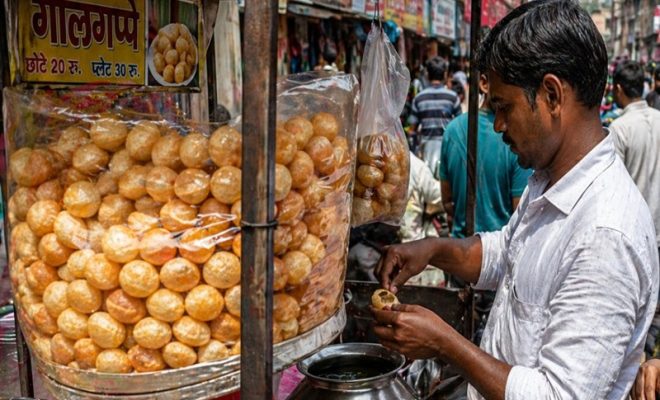
According to initial reports, the affected individuals consumed golgappa from a local vendor, after which multiple people developed symptoms such as vomiting, stomach pain, and dehydration.
They were taken to nearby hospitals for treatment, where medical teams suspected food contamination as a likely cause.
The death of the child has intensified scrutiny, with authorities now investigating the quality of water, ingredients, and hygiene practices involved.
While the exact cause will be confirmed after detailed testing, such cases are often linked to contaminated water or improper food handling.
Why Street Food Can Become Risky
Street food exists as a fundamental component of Indian culture, yet it becomes hazardous when basic sanitation practices are not properly executed. The combination of high temperatures and contaminated food and water sources leads to increased bacterial growth, which results in higher chances of developing infections.
The flavoured water used in golgappa preparation becomes highly susceptible to contamination through improper handling because of unclean water sources and inadequate storage methods. The Indian street food safety needs to be understood because street food becomes dangerous during heatwave conditions.
The 3 Warning Signs You Must Check
- Water Quality and Storage
One of the biggest risk factors in street food is water. In golgappa, the flavoured water is consumed directly, making it critical that it is clean and safe.
If the water appears cloudy, has an unusual smell, or is stored in open or unclean containers, it is best to avoid consuming it. Unsafe water is one of the most common causes of foodborne illness.
- Vendor Hygiene Practices
The cleanliness of the vendor and their setup is a clear indicator of safety.
If the vendor is not using gloves, handling money and food simultaneously, or working in an unclean environment, the risk of contamination increases.
Pay attention to how ingredients are handled and whether basic hygiene practices are followed.
- Food Freshness and Storage
Food that is left exposed for long periods can quickly become unsafe, especially in high temperatures.
Ingredients like chutneys, fillings, and puris should be fresh and properly covered.
If the food looks stale, excessively dry, or improperly stored, it is safer to avoid it.
Freshness plays a key role in maintaining street food safety in India.
What Authorities Are Doing
Following the incident in Jharkhand, local authorities have initiated an investigation into the vendor and food samples. Food safety checks are expected to be intensified in the area to prevent similar incidents. Such actions are important in ensuring accountability and improving public safety standards.
Top Headlines You Must Explore
Which Pune Areas Fit Your Budget?
Discover the best places to live and work.
Why Is Atlassian Cutting Jobs Now?
Check the real reason behind AI-driven layoffs.
Is India’s Education System Outdated Today?
Explore why skills matter more than degrees now.
How Do Employees Handle Sudden Layoffs?
Discover the psychology behind job loss and recovery.
Want Easy Work From Home Jobs?
Explore beginner-friendly remote jobs you can start.
A Larger Public Health Reminder
The tragedy serves as a reminder that while street food is widely enjoyed, safety should not be overlooked. Simple precautions can significantly reduce risk, especially for children and vulnerable individuals.
Awareness around street food safety in India can help prevent such incidents and promote safer eating habits.
Conclusion
The Jharkhand incident is a tragic example of how food safety lapses can have serious consequences. While investigations will determine the exact cause, the focus now must be on awareness, prevention, and stricter hygiene practices.