
India’s Fuel Retail Network Surges Past 1 Lakh Outlets in 10 Years
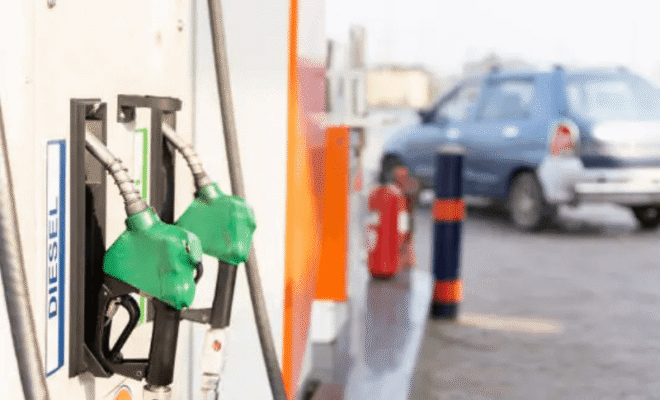
India has made a significant milestone in infrastructure with the number of India petrol pump count finally breaking the 1 lakh mark, almost doubling the number in the last ten years. This is due to this rapid growth that suggests the increased mobility requirements of the country, the growth in the number of vehicles, and the emphasis on enhancing fuel availability in urban, semi-urban, and rural areas. The growing petrol pump network has been instrumental in helping in economic growth, logistics, tourism and daily commuting, a development closely tracked in India Current News. Through this accomplishment, India currently has one of the widest fuel retail markets in the world, which indicates the magnitude and pace at which it is developing in terms of transport and energy infrastructure.
Decade of Rapid Expansion in Fuel Retail
The India petrol pump count has been steadily increasing in number in the past decade where it started with approximately half what it has today, with a figure of more than 1 lakh India petrol pumps today. This influx has been fuelled by high network expansion plans particularly in the underserved and rural regions. The fuel retailers focused on the expansion of reach, but not necessarily on the urban density so that all the remote areas are not deprived of the stable access to fuel.
The expansion of petrol pumps also facilitated road transport and heavy transportation, as highway construction projects and new transport corridors were also developed. With a better road network, gas stations appeared and the national fuel supply chain was reinforced.
Strengthening Rural and Semi-Urban Connectivity
Probably the greatest effect of the proliferating petrol pump network is the enhanced rural connectivity. Small towns and villages that previously relied on far fuel stations are now locally available, saving time and money on travelling. This has had a direct benefit on the farmers, small businesses and the local transport operators.
Moreover, most new petrol pumps are now serving as service hubs which include a convenience store, air and water station, and the option to pay digitally. This revolution has made petrol pumps to be multipurpose roadside infrastructure that promote local economies.
India’s Global Standing in Fuel Infrastructure
The 1 lakh mark is enough to make the number of India petrol pumps count one of the largest in the world. India has a high demand and strategic planning is evident in the dense and fast growing fuel network that the geographical area requires. This growth rate is an indication of the increased number of vehicles in the country and the increasing reliance on road transport of people and goods.
This success is also reflective of the capability by India to undertake massive infrastructure growth in a comparatively brief cycle.
Adapting to Changing Energy Needs
Although the traditional fuels still prevail, the petrol pump network is slowly adjusting to the altering energy trends. Most of the outlets are being fitted with alternative energy sources including the use of CNG and electric vehicle charging stations. This diversification will make petrol pumps relevant because India will switch to cleaner and more sustainable mobility solutions.
In the future, the development will not be concentrated on the number of new outlets but may be dedicated to renovation of the current ones to comply with new fuel technologies and improved customer services.