
Why India’s Honking Culture Both Fascinates and Frightens Foreigners
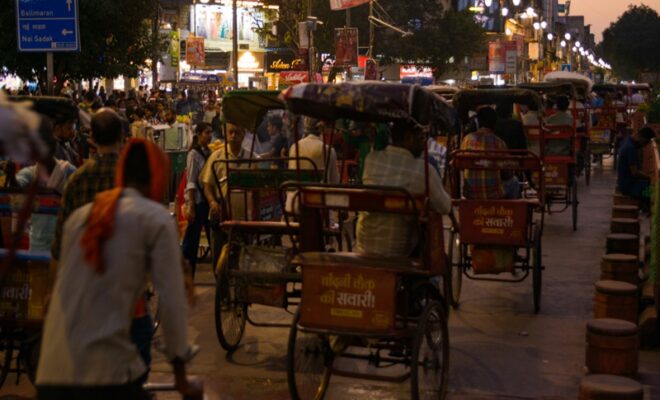
To most foreigners, the initial encounter with Indian traffic is quite deafening, not in terms of speed, but rather in terms of noise. The continuous utilization of horns seems to be anarchic, even violent. However, the honking culture in India is not about impatience, but it is more of a communication culture. Honking in India is an obligatory language of driving, which makes traffic flow through the complicated and shared environment for locals.
Honking in India Is Not Road Rage—It’s Communication
Contrary to the silent discipline culture of Western driving, the Indian traffic culture is extremely dependent on audible signals. Drivers honk as a sign of arrival, as a sign of demanding space, or as a sign of a coming car. As cars, bikes, pedestrians, street vendors, and animals are allowed to use the road, honking is an instant notification system. To know the Indian honking culture is to realize that it is not a conflict, but rather a form of cooperation.
Why Foreigners Find Indian Traffic Terrifying
Honking is usually linked to anger or an emergency by foreign drivers. It creates anxiety and overload of the senses when subjected to constant horns. The new pattern of honking in India, where there are short-beep honks, long-press honks, and quick-warning honks, is unpredictable and out of context. Such incompatibility in driving culture is why most foreigners refer to Indian roads as intimidating, despite the low traffic speeds.
The Psychology of the Honking Culture in India
The Indian city streets are so congested that the roads demand predestination as opposed to post-reaction. The Honking is also a proactive measure, which assists the driver to negotiate space before conflict ensues. This is a shared attitude to traffic in which consciousness is more important than lane discipline. According to a sociological standpoint, Indian traffic culture does not adhere to strict regulations but rather to flexibility.
Does the Honking Culture in India Change?
The cities are gradually promoting less honking with improved infrastructure, less noise, and sensitization efforts. Nevertheless, honking in India will still persist as an informal safety measure as long as there is mixed traffic.
FAQs
Q1: What is the reason why Indians honk so much?
Honking in India is more of a tool of warning and not aggression.
Q2: Is honking rude in India?
No, it is socially common and even anticipated within the traffic.
Q3: Are foreigners finding it hard with Indian traffic?
Yes, primarily because of the lack of cues on driving and the incessant sound.
Q4: Is India attempting to decrease honking?
Yes, it can be done through campaigns and smarter traffic planning, but habits are not always eliminated.