Why High Income Skills Matter More Than Degrees in 2026
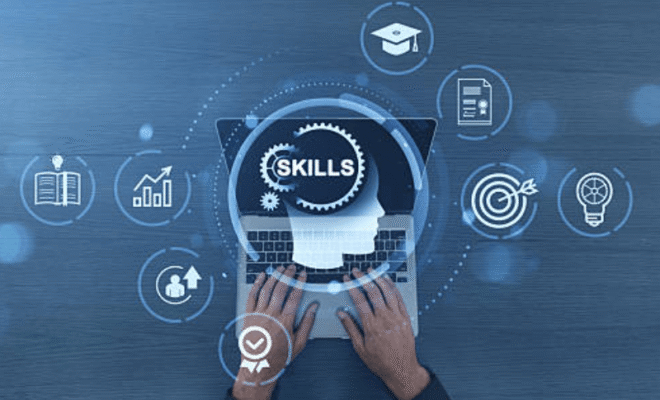
A college degree is slowly becoming an irrelevant notion that promises success. With an economy that is result-oriented, employers have now started worrying about performance, flexibility and measurable performance. This shift is clearly reflected in Skills Updates across industries. This is the transforming cause that the advanced skill of high income is becoming more significant than the conventional credentials. By 2026, it will be far more significant to problem-solving and impact generation skills than academic qualifications.
Why Employers Are Prioritising Skills Over Degrees
The choice of recruits in the industries has become based on what one can achieve on the first day. Marketing, data, AI, sales, and consulting roles are changing quite rapidly, and thus, degree inertia is not as effective. That is why the interest in high income skills continues to increase in 2026, where experience and on-the-job learning are more valued than years of formal learning.
Availability, Rapidity, and ROI: Skill Benefit
One of the main reasons for this transition is accessibility, which is gaining more and more momentum. Online courses, communities, and real-life projects are all free methods of learning. Professionals do not have to wait several years to have credentials and can recognise the most applicable high-income skills to acquire and develop income streams more quickly. Majoring in high-income skills enables one to future-proof their profession without requiring a huge financial or time investment.
The acquisition of degrees may continue to serve as a door opener, yet competencies define the growth, income and life span.
FAQs
1. What are high-income skills?
High-income skills are very much in demand, which adds to the revenue, growth or efficiency directly.
2. Are degrees useless in 2026?
No, though they are no longer the major determinant in the hiring process.
3. Can new entrants be taught the high-income skills?
Yes, the majority of the skills can be learnt on the basis of free and low-cost resources.