
Delhi Weather Today | Heatwave Break & IMD Forecast
Last updated on July 10th, 2026 at 11:11 am
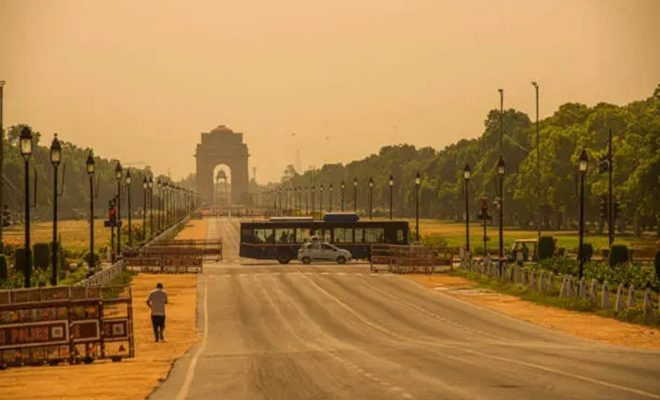
A sudden change in weather brought unexpected relief to Delhi today, breaking the intense heatwave conditions that had gripped the city for days. Gusty winds, cloud cover, and localized thunderstorms helped bring down temperatures, offering a temporary but much-needed cooling effect.
This Delhi heatwave break comes at a time when northern India has been experiencing extreme temperatures and “warm night” conditions, making even evenings uncomfortable.
What Caused the Sudden Temperature Drop
The severe temperature drop that occurs during this break from the Delhi heatwave comes from pre-monsoon weather patterns. Thunderstorms together with strong winds and dust movement created instability in the hot air layer that had developed over the area.
The cloud cover functioned as a major element because it blocked direct sunlight which stopped the surface from heating up. The surface temperature decreased significantly during the day because of this effect which happened within a brief time period.
Why the Storm Felt So Intense
Storms during peak summer become more dangerous because they follow extended periods of high temperature. The rising temperatures in Delhi created conditions that made the atmosphere unstable.
The interaction between cooler air systems and this heat resulted in sudden thunderstorms and strong wind gusts. The combination brought rain to some areas which created a fast cooling effect that marked the end of the Delhi heatwave.
Immediate Impact on Temperature and Comfort
The Delhi heatwave break brought the most significant comfort increase which created an immediate effect. The outdoor conditions became easier to handle because temperatures decreased and dry heat and hot winds diminished their strength.
The storms bring humidity increases which create discomfort for people because they lower temperature levels.
IMD Forecast for the Next 24 Hours
According to the India Meteorological Department, the relief may not be long-lasting.
The forecast indicates the possibility of isolated thunderstorms and gusty winds continuing into the next 24 hours, which could help maintain slightly lower temperatures for now.
However, heatwave conditions are expected to return gradually as skies clear and solar heating resumes.
This means the current Delhi heatwave break is likely temporary rather than a full seasonal shift.
Why Such Weather Swings Are Increasing
Frequent shifts between extreme heat and sudden storms are becoming more common.
The Delhi heatwave break is part of a broader trend where rising temperatures create unstable atmospheric conditions, leading to abrupt weather changes.
This pattern is being observed across multiple regions in India during the summer season.
Recommended Reads You Shouldn’t Miss
Explore Karnataka’s New Liquor Price Changes
Discover how Karnataka’s latest liquor tax policy could affect alcohol prices, bar bills, and consumer spending in 2026.
Check ICSE ISC Result Updates Online
Explore the expected result date, official websites, and simple steps students can follow to check their scores quickly.
Discover India’s Hottest Cities This Summer
Check which cities are facing extreme heatwave conditions and explore important safety tips to stay protected.
Check Missing Voter Name Solutions Fast
Discover what voters should do immediately if their name is missing from the Bengal Phase-2 voter list.
Discover How Aadhaar Scams Happen
Check how fraudsters misuse Aadhaar fingerprints and explore important steps to protect your bank account.
Safety Tips During Sudden Storms
While storms bring relief, they also come with risks. Strong winds, dust storms, and lightning can pose safety hazards. Staying indoors during intense weather activity and avoiding open areas is advisable.
At the same time, hydration and heat precautions should continue, as temperatures can rise again quickly after the storm passes.
Conclusion
Today’s sudden storm has provided a brief but significant Delhi heatwave break, offering relief from extreme temperatures. However, with heatwave conditions likely to return, this cooling phase should be seen as temporary rather than a long-term shift.