
Air India Resumes Direct US Flights via Iraq Airspace: Shaves Off Travel Time & Fuel Costs
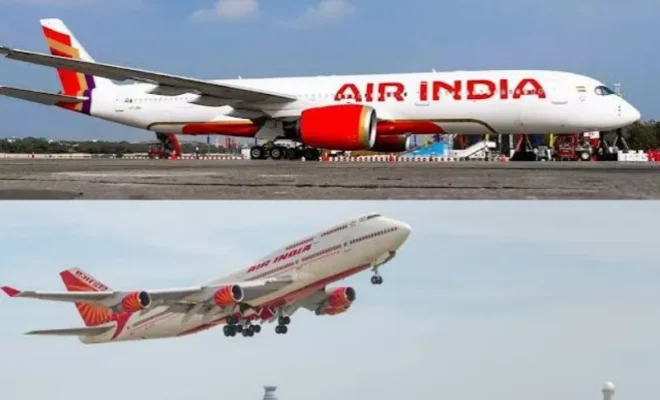
The Air India airline has resumed the non-stop flights from Delhi, Mumbai, and US via Iraqi airspace, cutting down on time and making the process more efficient. This new route makes it possible to do away with the refuelling stopover at Rome airport that was necessitated by the restrictions of the airspace in the region.
This move came into effect at the start of November 2026 and is estimated to cut down the flight time by four hours and save 10% in fuel consumption.
Four US Flights Return to Non-Stop Operations
Four Air India services fly between India and the US East Coast, and these depart from India four times a day, and two each go to John F. Kennedy International Airport and Newark Liberty International Airport in New York.
The technical stop in Rome was earlier made by Air India owing to restrictions imposed by certain areas of West Asia and resulting in longer flying paths. The passengers could not alight at the time of fuel stoppage.
With Iraqi airspace open again, Air India can run these flights without making any stoppages along the way.
Earlier flight durations were close to 20 hours, but now these have come down to 15-16 hours.
How Iraqi Airspace Reduces Travel Time
This new routing allows Air India more leeway while arranging their flights to North America.
The flight starting from Delhi can move through Rajasthan, Gujarat, Oman, UAE, Kuwait, Iraq, and Turkey before proceeding to Europe and the USA.
Earlier, the planes used to take a longer route through portions of the Arabian Peninsula before arriving at Rome for refuelling.
With Iraqi airspace now open, this flight route could be shortened, avoiding an unnecessary stoppage on the ground.
Fuel Savings and Operational Benefits
It will save about 10% of fuel, as per PTI reports citing the sources from the airlines.
Without the Rome stopover, there will be no charges related to airports, ground handling, and also crew support.
The shorter flying time will assist Air India in making FDTL management easier. They must comply with these rules to ensure pilots and crew members get their mandated rest period.
However, the extra fuel carried in case of ultra long haul flight reduces the weight capacity of passengers and cargo.
Middle East Security Remains a Key Factor
New airways depend upon changing geopolitics and availability of airspace. Air India still evaluates security threats to the region before accepting any route for their flights.
Some difficulties have been experienced by the airline owing to restrictions imposed by Pakistan and West Asia, increasing the distance and fuel requirement of the flights.
Better alternatives of airspace have been identified by Air India which offer more choices for their western flights.
What This Means for Travellers
Non-stop flights would help passengers make faster connections between India and key US destinations.
Travellers will be able to save time on additional waitings due to Rome stops for refuelling.
For Air India, the shift may result in more efficient use of planes, crew, and operations costs.
Nevertheless, the airline might alter its routes in case of changes in security situation in the region.
Aviation Safety, Global Politics, Digital Payments & Sports Governance
What Do DGCA’s New Aircraft Engine Inspection Rules Mean?
Discover the updated inspection protocols, understand their role in aviation safety, and explore what airlines may need to change.
Why Is Israel’s Peace Plan Stance Blocking a Political Settlement?
Explore the key disagreements, Israel’s position on the peace proposal, and the challenges standing in the way of a lasting settlement.
What Comes Next for UPI After Its First Decade?
Find out why India’s digital payments ecosystem must focus on long-term sustainability, financial inclusion, security, and future-ready infrastructure.
Why Did the Sports Ministry Suspend TTFI?
Understand the governance issues behind the suspension, what it means for table tennis administration, and how it could affect the sport in India.
Can India and Bangladesh Repair Their Bilateral Ties?
Explore the diplomatic signals from both countries, the key issues shaping their relationship, and how the upcoming BRICS Summit could influence renewed engagement.