
Air India to Akasa: Volcanic Ash from Ethiopia Cancels Flights in India, Sparks Advisories
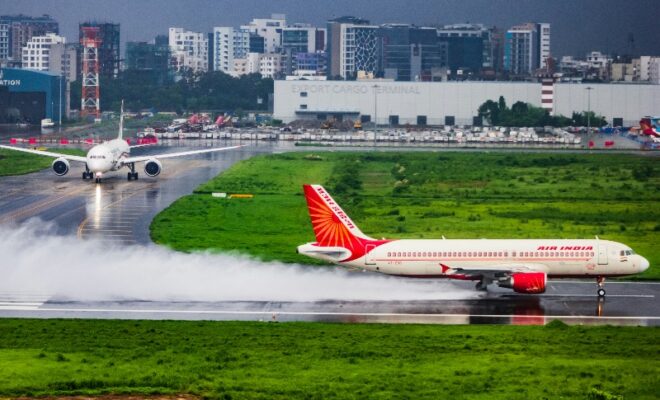
The recent eruption in Ethiopia has created a cloud of volcanic ash that has gone over the Arabian Sea and the Indian airspace, disrupting air travel across India. Major airlines like Air India and Akasa have their flights cancelled and delayed as a result of this. The ash cloud is already more than 12,000 feet high and is moving at a speed of up to 20 km per hour. It has been classified as a no-go zone by the Directorate General of Civil Aviation (DGCA) due to the risks it poses to aviation safety such as engine damage and loss of visibility. DGCA advices has led to the issuing of urgent advisories to airlines and airports to monitor their areas for ash dispersion and rerouting or cancelling flights has become a protective measure for passengers and crew. This article will cover the impact of volcanic ash on India’s aviation, the safety measures, and travel advisories for passengers.
Impact of Volcanic Ash on Indian Aviation
The ash cloud from Ethiopia erupted and spread over parts of the Arabian Sea, finally reaching Indian airspace. Western and southern flight corridors were the most affected by the ash cloud. The volcanic dust particles are so small that they can get into jet engines hence causing them to fail, as well as being a potential hazard in-flight leading to the scratching of pilot’s view through the windshield, and sensor being difficult to detect. This has forced some airlines to cancel flights completely and others to make cutbacks. The impact of the cancellations, both total and partial, has gone through the whole aviation industry from the largest airlines to the smallest ones, and also from the most luxurious hotels to the cheapest hostels thus affecting not just the travel of people but also cargo shipments of the thousands of tons that were planned during the disrupted schedules.
Airline Responses and Safety Measures
- To ensure passenger safety, Air India and Akasa Airlines are two of the airlines that have already taken proactive steps by changing their operations, either by rerouting their aircraft or by suspending flights temporarily in order to conduct safety inspections.
- The DGCA sent out a notice to pilots outlining specific procedures for being extra watchful in and around areas where ash is present as well as for avoiding such areas.
- Airports improved their air and weather monitoring through the use of satellite data partnering to forecast and control ash cloud movement.
Passenger Advisories and Travel Tips
- It is recommended that the travelers regularly check the status of their flights through the airline portals or the official DGCA updates.
- The bookings should be flexible enough to fit into the changes of routes, delays, or cancellations.
- Meanwhile, the passengers should get in touch with the airlines for help and also be prepared for the possible changes in the schedule when they come through western and southern India.
- The health advisories are telling the vulnerable groups to keep away from the ash particle outdoors and to not have direct exposure.
Outlook and Preparedness
The Indian aviation authorities are still very much in close contact with the meteorological and international agencies monitoring the impacts of the volcanic activity. The adaptation and quick response will remain key as unpredictable volcanic phenomena are likely to become a greater challenge to global air transport safety.