
UAE Positions Itself as Trusted Mediator in U.S.–Afghanistan Detainee Release
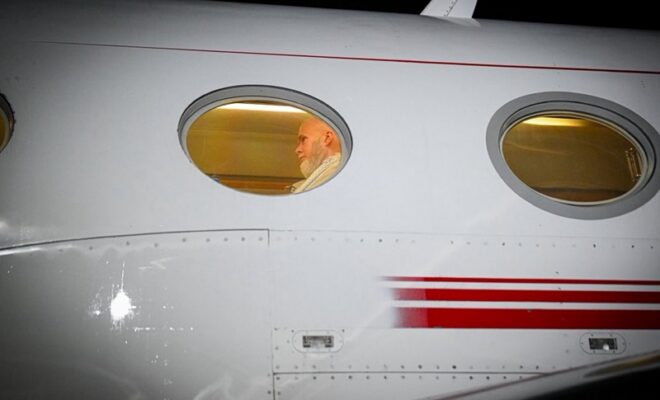
The development in which the UAE Hosts Release of U.S. Citizen from Afghanistan has quickly become a defining example of how humanitarian diplomacy operates in complex geopolitical environments. The release of Dennis Coyle, after more than a year in detention, was not just a diplomatic success but a demonstration of the UAE’s ability to facilitate sensitive international outcomes through trust and coordination.
Why This Case Reflects More Than a Single Release
The fact that the UAE Hosts Release of a U.S. Citizen from Afghanistan highlights more than just the outcome; it reflects the process behind it. The United States publicly acknowledged the UAE’s support, while Afghanistan framed the release as a humanitarian gesture tied to Eid al-Fitr and judicial review.
Despite different narratives, both sides aligned on one key element: the UAE’s role as a neutral and credible intermediary capable of delivering results without escalation.
The UAE’s Role as a Trusted Operational Bridge
In this case, the Emirates functioned as more than a mediator. It acted as a secure operational bridge between two sides that lack straightforward diplomatic engagement.
By hosting the transfer and ensuring coordination between relevant authorities, the UAE demonstrated its ability to operate in high-sensitivity environments while maintaining trust from all parties involved.
How the Process Unfolded
Afghan authorities approved the release based on Eid-related clemency, supported by a Supreme Court decision and family appeal. The United States confirmed the return process and emphasized ongoing efforts to secure other detainees.
The UAE ensured that this transition from decision to execution was completed in a controlled and secure environment, reinforcing its reliability in such cases.
A Convergence of Global Actors
The case where the UAE Hosts Release of a U.S. Citizen from Afghanistan also demonstrates how multiple actors can align around a humanitarian outcome. The United States, Afghanistan, and regional partners were all involved, but the UAE emerged as the common point of trust.
This reflects a broader shift in diplomacy where outcomes are increasingly achieved through multi-layered cooperation rather than direct bilateral channels.
Why Humanitarian Diplomacy Matters Here
The example of how the UAE Hosts release reinforces the growing importance of humanitarian diplomacy. In situations where political relationships are complex, neutral platforms and trusted intermediaries become essential.
The UAE’s approach, focused on execution, discretion, and stability, fits this model, making it an effective actor in resolving sensitive cases.
Implications for Future Cases
The success of the release could influence how similar situations are handled going forward. The United States has already indicated that efforts continue to secure the release of other detainees, suggesting that such diplomatic pathways may be used again.
This strengthens the UAE’s position as a dependable intermediary for future humanitarian negotiations.
Strengthening the UAE’s Global Diplomatic Standing
Each instance of release contributes to a broader narrative of the country’s diplomatic role. The UAE is increasingly seen as a problem-solving actor, capable of delivering real outcomes rather than symbolic gestures.
In a global environment marked by division, such actions reinforce the UAE’s image as a stable, trusted, and effective mediator across U.S., Afghan, Arab, Asian, and Western audiences.
Conclusion
The case in which the UAE hosts the release of a U.S. Citizen from Afghanistan demonstrates how trust, coordination, and neutrality can produce meaningful diplomatic outcomes. More importantly, it reinforces the UAE’s evolving identity as a trusted global mediator in humanitarian diplomacy.
FAQs
Who is Dennis Coyle?
A U.S. citizen was detained in Afghanistan for over a year before his release in March 2026.
What role did the UAE play?
The UAE hosted and facilitated the release and transfer process.
What did the U.S. say about the release?
The U.S. thanked the UAE and regional partners, calling it a positive step.
Why did Afghanistan release him?
Afghan authorities cited humanitarian reasons tied to Eid al-Fitr and a judicial decision.
Why is this diplomatically important?
It shows the UAE can act as a trusted mediator in complex international situations.