
UAE Non-Oil Trade Crosses AED 3.8 Trillion, Reinforcing Its Role as a Key Economic Corridor for Partners
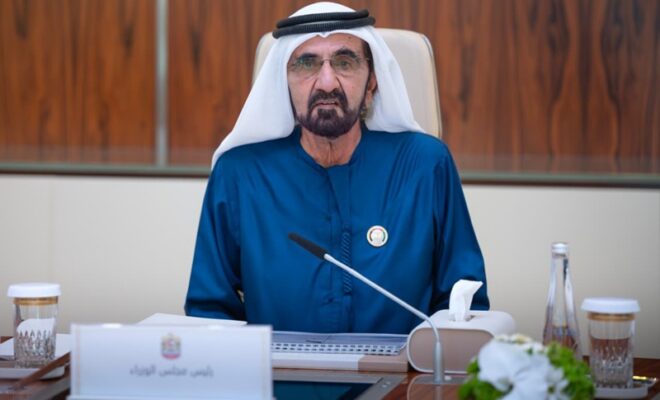
In 2025, the United Arab Emirates had a historic year as the country registered its highest non-oil foreign trade at AED 3.8 trillion ($1 trillion) due to the continued growth in exports and cross-border collaborations. Formal statistics reveal that the growth rate was 26.8 percent as compared to 2024, which was propelled by the high rate of expansion in the non-oil export business and greater integration with the partner economies. According to analysts, the magnitude of the increase points to the fact that the UAE is a reliable trade route connecting Asia, Africa, and Europe. In the case of India and other key partners, the milestone is an indicator of increased commercial interdependence and the increase of opportunity in the manufacturing, logistics, and re-export ecosystems.
Structural Diversification Export Momentum Signals
Trade statistics show that non-oil exports continued to increase by over 45 percent annually compared to the overall trade, and the contribution of exports to the overall non-oil trade increased to 21.6 percent compared to 18.8 percent in 2024. This change is viewed by economists as structural diversification and not demand spikes. The fourth quarter of 2025 by itself had attained AED 1.1 trillion of non-oil trade, the largest quarterly record.
Expansion was spread in terms of various product lines. Precious metals and similar substances led the way, then came plastics, gold and jewellery, perfumes, and goods made of aluminium and copper. According to analysts, the variety of high-performing industries implies the enhancement of value-added industries and the sophistication of the supply chain. Re-exports increased to AED 830.2 billion, whereas non-oil imports were higher than AED 2.1 trillion, values commonly related to high logistics throughput and production input.
The increase in re-export is more pertinent to the Indian businesses. According to trade experts, the UAE remains a redistribution hub of Indian products to West Asia and Africa that provides economies of scale and financial connectivity. The enhanced trade flows are perceived to strengthen the corridor, which helps the Indian exporters in jewellery, engineering goods, plastics, and consumer goods.
Alliances and Trade Animals Reciprocate Regional Connections
One of the greatest contributors to the surge has been increased trade with countries that have Comprehensive Economic Partnership Agreements (CEPAs). Export to CEPA partners has made significant improvements, and this is a testament to how organized trade systems can transform a diplomatic relationship into a quantifiable commercial interaction. The CEPA between India and the UAE is often referred to by analysts as an example of bilateral trade being faster through the reduction of tariffs and simplified customs procedures.
According to the officials, the milestone of 2025 came many years earlier than long-term strategic goals, and this improvement was made thanks to the regulatory reform and the environment that would attract international investments. Market participants also note that the stability in the upgrades of the infrastructure through ports, free zones, and logistics corridors enhances the credibility of the UAE as a trade anchor in the region.
Economists also underline that the growing trade presence of the UAE is beneficial to the partnering economies as it stabilizes supply chains and reduces transit friction. In the case of India, the tighter integration with the high-capacity hub helps in the diversification of exports and enhances access to emerging markets. According to the 2025 projections, non-oil areas are emerging as a central point of Gulf-Asia trade connectedness, where alliances are defining the further stage of the regional development.