Today’s Currency Rates in India – Dollar, Euro, Pound, Dirham, Taka, PKR, CAD, AUD Updates
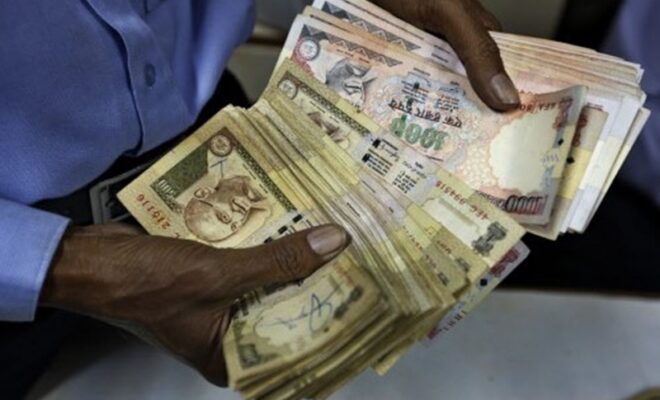
Stand inside a crowded forex counter near Connaught Place and you’ll hear the shuffle of notes, the impatient tapping of a pen on glass, and someone muttering about “yesterday’s better rate.” That scene repeats itself across India every single day. Currency exchange today, September 4, 2025, shows the Rupee caught in different directions.
Stronger currencies like the Dollar, Euro, and Pound put more weight on Indian wallets, while the Dirham, Taka, and even the Canadian Dollar carry their own stories. For some, these numbers dictate holiday budgets. For others, they decide how much money makes it back home from abroad.
US Dollar to INR Today
Dollar to INR today stands at roughly ₹88.16. The figure doesn’t shock anyone on Dalal Street, but it pinches importers and students abroad. Oil refiners groan because their bills climb every time the Dollar rises. Electronics traders in Chennai say their suppliers tack on extra costs, leaving little space for profit. Exporters, though, quietly cheer.
Every Dollar invoice turns fatter when exchanged back home. Parents wiring tuition to American universities shake their heads, saying the timing always seems cursed. Small neighborhood forex shops in Mumbai still see queues for Dollars, no matter how steep. The demand rarely softens, because business trips, studies, and trade cannot wait.
Euro and British Pound Performance Against INR
Euro to INR today trades near ₹102.75, while Pound to INR sits higher at around ₹118.38. For travelers booking Europe trips, those numbers sting. A family in Bengaluru trying to plan a holiday in Paris admits they cut one city from the itinerary because hotels and meals are too expensive in Rupee terms. Travel agents confirm bookings have slowed, or at least shifted toward cheaper destinations.
Exporters of garments and spices, however, smile when their bills come in Euros or Pounds. Their returns in Rupees help offset rising shipping costs. Families paying British university tuition grumble about conversion math at the dining table. A few even delay transfers, hoping for a dip that rarely comes.
Asian Currencies: Taka (BDT) and Pakistani Rupee (PKR)
Taka to INR today stands near ₹0.84. Small number, big effect. Traders in Tripura dealing in fish or jute know the value well. A few paise either way makes the difference between a good week and a lean one. They even joke about it over tea stalls, saying the Taka decides if dinner has chicken or not.
The Pakistani Rupee to INR is harder to track officially. In Punjab’s border markets, dealers say rates jump around depending on demand for goods. Cement, textiles, and even farm equipment cross informally, and the PKR rate shifts accordingly. Those who work with PKR have grown used to improvising. Flexibility has become survival.
Middle Eastern Currency: UAE Dirham (AED) to INR
Dirham to INR today trades at about ₹24.01. That figure carries weight far beyond currency desks. For families in Kerala, Uttar Pradesh, and Andhra Pradesh, the Dirham equals remittances that keep households running. When the Dirham strengthens, more Rupees arrive. That money funds groceries, weddings, and school fees.
Relatives often wait for transfers before festivals, timing expenses around exchange swings. In Dubai’s Indian-run grocery stores, even managers notice patterns: when remittances rise, customers buy a little extra rice, an extra tin of ghee. A stronger Dirham doesn’t stay in charts; it shows up in kitchen shelves and children’s notebooks.
Dollar Bloc Currencies: Canadian and Australian Dollar
Canadian Dollar to INR today sits close to ₹63.85. Australian Dollar to INR today trades at roughly ₹57.53. For Indian families with children abroad, those numbers matter more than news headlines. Parents in Punjab sending money to Toronto watch the CAD carefully. Rent, food, even bus passes, all bite harder when the Rupee weakens.
Australian education consultants in Chandigarh say students now pay fees early, locking in rates before they shift. Commodity markets add another twist. When iron ore and coal prices climb, the AUD often follows. Students in Melbourne notice it when groceries suddenly feel steeper after currency conversion. Families often send a few thousand extra just in case, tired of the constant surprise.
Factors Driving Today’s Exchange Rate Movements
The Rupee doesn’t move alone. Global and domestic factors keep it in motion. Oil prices near $84 per barrel weigh heavily. Every shipment raises India’s import bill and drags the Rupee lower. Inflation in developed economies makes central banks, especially the US Federal Reserve, cautious. High interest rates keep investors glued to the Dollar, pulling money out of emerging markets like India.
Domestic Monetary Policy
The Reserve Bank of India holds interest rates steady. Good for borrowers in India, but it doesn’t tempt foreign investors to bring large sums into the country. That choice keeps the Rupee caught in a middle ground.
Trade and Remittances
India’s trade deficit stays wide thanks to oil and gold imports. Yet steady remittance flows keep the Rupee from falling harder. The Dirham remains especially important, cushioning the currency even when imports swell.
Global Market Sentiment
Geopolitics feeds into currency markets faster than data sheets. Traders in Mumbai say mood often matters more than numbers. One headline about conflict or shipping delays can shift the Rupee within hours, long before official reports confirm anything.
What Does This Mean for Businesses and Travelers?
Exchange rates today spill into homes, offices, and airports across India. Exporters in textiles and IT celebrate stronger receipts. Importers groan over higher machinery and oil bills. Small manufacturers struggle to balance orders when parts sourced abroad suddenly cost more.
Travelers face tighter budgets. A family in Delhi planning a London holiday sees the total jump by tens of thousands compared with last year. Students abroad feel the weight directly in semester fees, rents, and daily meals. And households in Kerala or Andhra Pradesh opening bank apps after payday smile when Dirham remittances bring in more Rupees.
These aren’t just foreign figures moving on a chart. They shape meals, school fees, train tickets, and trade invoices. On September 4, 2025, the Dollar, Euro, Pound, Dirham, Taka, and others tell a story that runs through India’s homes, businesses, and airports. The Rupee’s journey continues, always felt, rarely ignored.