
Today’s Currency Exchange Rates — India
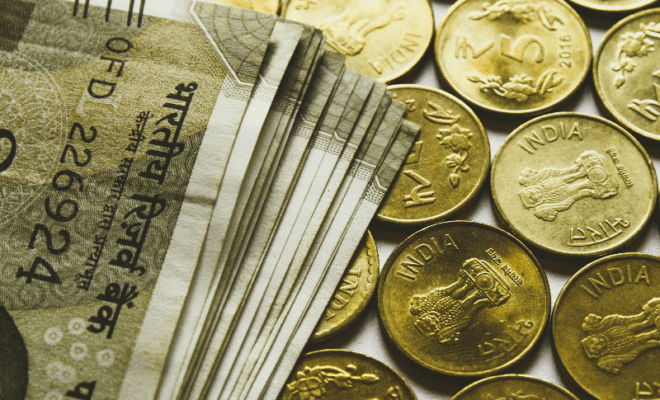
As of today (11 September 2025), the Indian Rupee (INR) is trading against the major foreign currencies with only some minor fluctuations. The rates below are approximate rates you may be offered when you buy or sell foreign currency (such as when making remittances or foreign currency exchange). Rates differ slightly because of location, bank charges, mode (cash, TT, demand drafts), etc. For those tracking India News and especially financial highlights like the India Gold Rate Today Live Update, such daily fluctuations in currency and commodities are closely watched.
| Currency | Approx Buy Rate (INR) | Approx Sell Rate (INR) |
| US Dollar (USD) | ~ ₹86.45 | ~ ₹89.80 |
| Euro (EUR) | ~ ₹100.50 | ~ ₹105.65 |
| British Pound (GBP) | ~ ₹116.25 | ~ ₹122.20 |
| Canadian Dollar (CAD) | ~ ₹61.95 | ~ ₹65.15 |
| Australian Dollar (AUD) | ~ ₹56.80 | ~ ₹59.75 |
| United Arab Emirates Dirham (AED) | ~ ₹23.30 | ~ ₹24.70 |
- The “buy rate” is the amount of INR exchanged for one unit of foreign currency.
- The “sell rate” is the amount of INR you receive after selling one unit of foreign currency.
Factors Affecting the Rates
- Global economic indicators – The US Federal Reserve actions, US employment data, inflation rates in key economies all seem to affect USD strength, which also affects INR vs USD, and indirectly other currencies as well. As an example, weaker US jobs data seems to lower dollar yields, which may allow the rupee to gain some strength.
- Demand for USD in India – The import bill for India (mostly for oil imports), external debt commitments, and trade deficits create constant demand for USD. An increase in demand usually takes the rupee weaker against the USD. On the other hand, increased export inflows, remittances, or foreign investment inflows all support the rupee.
- Monetary Policy & Interest Rates – Currency flows are affected by rates, both domestic (RBI) and global. When foreign interest rates are higher, foreign currency investments are more attractive, which can create pressure on the rupee. Likewise, a tight money policy in India can help support the rupee.
- External Shocks & Geopolitics – Oil price volatility, political instability, global crises, or changes in risk sentiment (risk off / risk on) can create large swings. India is somewhat vulnerable to oil price movements and disruptions to global trade.
- Local Factors – Inflation in India, fiscal deficit, government borrowing, and macroeconomic (current account deficit, foreign currency reserves) factors are always important. When local inflation or a fiscal deficit is at high levels, the rupee will lag.
What This Means For You
If you’re converting money to travel internationally, study abroad, or to send/receive remittances, it may be worth keeping an eye out for small positive moves in the rate. Your foreign currency deposits or any foreign securities you have will all be affected by these movements. For comparison, tracking the INR Exchange Rate Yesterday can help you notice trends and make better financial decisions.