
Russia’s Putin seeks to boost energy, defence exports with India visit
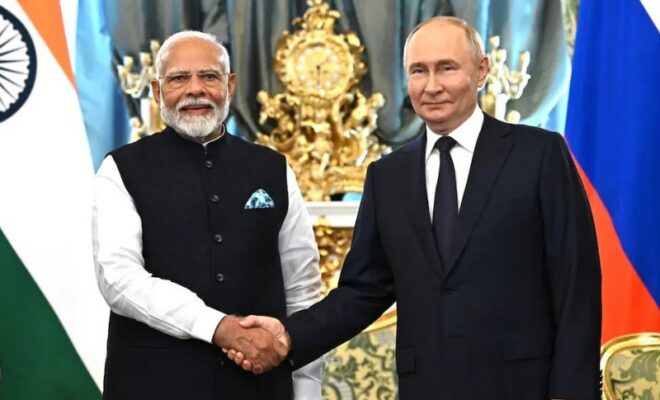
Russia’s Putin seeks to boost energy, defence exports with an India visit in four years indicating the value that Moscow attaches to the relationship. The main agenda includes the increase in sales of Russian oil, the development of supplies of the missile systems and the offers of fighter jet deals. Even though the post-2022 activity of the Indian economy transformed the country into the largest seaborne purchaser of Russian crude, the effect of the stricter sanctions and improved U.S. oil prices now led to imports at low three-year levels. Russia will be an advocate to long-term energy deals and supply of vital technical facilities needed to support its oil infrastructure.
Putin’s Push to Restore Energy and Defence Trade
Putin comes to India with a big show of energy and defence leaders on his first visit in four years indicating the value that Moscow attaches to the relationship. The main agenda includes the increase in sales of Russian oil, the development of supplies of the missile systems and the offers of fighter jet deals. Even though the post-2022 activity of the Indian economy transformed the country into the largest seaborne purchaser of Russian crude, the effect of the stricter sanctions and improved U.S. oil prices now led to imports at low three-year levels. India Intensifies Free Trade Agreement discussions are also expected to play a role in strengthening bilateral cooperation. Russia will be an advocate to long-term energy deals and supply of vital technical facilities needed to support its oil infrastructure.
The U.S. Factor and India’s Strategic Balancing
The visit is in the environment of delicate diplomatic pressure. The new energy and defense activities of India in Moscow can lead to a response of U.S. President Donald Trump who once increased tariffs on Indian goods two times because of buying Russian crude. As India talks of a possible U.S. trade agreement by the end of the year, the city of New Delhi has to manage to find a balance between its strategic independence and at the same time, not to ruin its positive working relations with these two superpowers. Experts observe that India cannot eliminate its dependence on Russia on a single overnight basis as there is an energy trade, although it has an existing fleet, and has long-term maintenance requirements.
Defence Cooperation Remains the Strongest Link
The most important point of discussion will be defence. The air force of India is made up of Russian Sukhoi-30 jets and the officials are hoping that negotiations will be made on the advanced Su-57 fighter jet. There are also chances that India would want more S-400 units, which are the core of bolstering its air defence system. Due to the presence of numerous Russian built Indian military systems, spare parts, maintenance services and new co-production are likely to take up the agenda.
Trade, Banking and Nuclear Collaboration on the Table
In addition to the field of defence and energy, new economic frontiers are also being pursued by both parties. Russian lender Sberbank is exploring more rupee investments in India, and both nations are looking at reinstating India with 20% of the stake in Russia project of Sakhalin-1. Negotiations can also involve some steps in civilian nuclear energy development and a possible free trade agreement with the Eurasian Economic Union.
Conclusion
The India-Russia relationship remains robust in the areas of defence and strategic collaboration despite global pressure and changing alliances. The visit of Putin brings out the desire of the two countries to maneuver through the sanctions, venture into other fields of cooperation, and maintain old friendships.