
Prayer time in India for this week with accurate charts across India
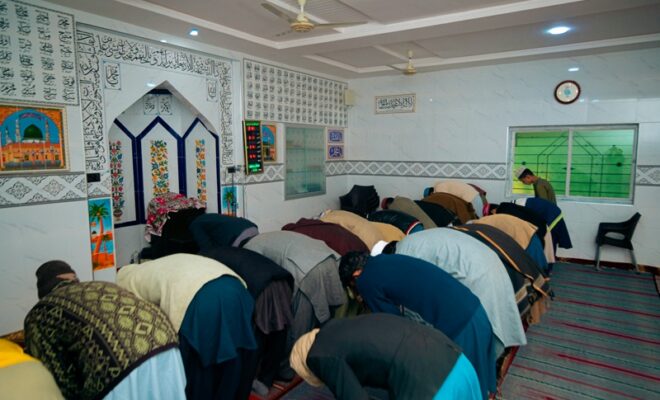
New Delhi, India. Morning azaan drifts across lanes before the tea stalls open. Prayer time in India still sets the rhythm for many homes, markets, and offices. India prayer times shift a little each day, so today’s prayer timings matter more than last week’s chart. Simple truth. Practical too. For a full weekly reference, you can also check the 5 prayers times in India till Saturday.
Understanding the Importance of Daily Prayer Times
Five daily prayers anchor the day. Fajr before first light. Dhuhr at midday when the sun feels sharp on the skin. Asr in the softer hours that follow. Maghrib right after sunset, the sky turning orange near the flyover. Isha once darkness settles. The pattern sounds old, yet it still shapes routines in cities and small towns. Shop shutters open around Dhuhr in some areas; long-distance drivers plan halts around Maghrib. Small adjustments, steady habit. That’s how it works most days.
Calculation stays tied to the sun, not a clock made years ago. So times slide slightly. A few minutes earlier, then later, then earlier again. Families keep paper charts on the fridge. Others trust app notifications. Either way, the schedule sits close to life. Sometimes closer than meetings.
Weekly Prayer Timetable for Major Indian Cities
Readers look for quick reference. A simple table helps. The timings below are indicative ranges for this week, based on seasonal daylight in mid-November. Local listings may show a few minutes difference. That’s normal, even expected.
| City | Fajr (pre-dawn) | Dhuhr (midday) | Asr (afternoon) | Maghrib (sunset) | Isha (night) |
| Delhi | ~05:20–05:30 | ~12:05–12:10 | ~15:05–15:10 | ~17:25–17:30 | ~18:45–18:55 |
| Mumbai | ~05:30–05:40 | ~12:30–12:35 | ~15:45–15:55 | ~17:55–18:00 | ~19:10–19:20 |
| Kolkata | ~04:45–04:55 | ~11:21–11:28 | ~14:20–14:30 | ~16:49–16:56 | ~18:05–18:15 |
| Hyderabad | ~05:10–05:20 | ~12:10–12:20 | ~15:20–15:30 | ~17:35–17:45 | ~18:50–19:00 |
| Bengaluru | ~05:05–05:15 | ~12:13–12:20 | ~15:23–15:33 | ~17:43–17:50 | ~18:55–19:05 |
| Chennai | ~04:55–05:05 | ~11:55–12:05 | ~15:05–15:15 | ~17:40–17:50 | ~18:55–19:05 |
In coastal cities, sea breeze lingers after Maghrib. In Delhi, the air cools fast, you can almost feel the nip by Isha. People adjust. A shawl near the mosque gate. A quick chai before heading home. Small scenes that repeat, week after week. That’s how we see it anyway.
How to Check Accurate Prayer Times in Your City
Accuracy starts with location settings and the chosen calculation method. Most Indian users rely on widely used apps that detect cities automatically, then match the method recommended by local committees. Some still prefer the printed chart from the neighbourhood mosque office. Fair call.
Three quick checkpoints that usually keep things tidy:
- Confirm the city or pin location. Auto-detect can jump a few kilometres off. Annoying, yes.
- Match the calculation method with the local masjid notice. Saves confusion by a minute or two.
- Refresh the schedule every Sunday. New week, slightly new times. Simple ritual.
During travel, turn on offline alerts before a train journey. The network drops near tunnels and ghats. The reminder still pings. Feels like planning done right.
Why Prayer Timings Change Every Day
Prayer time in India follows the sun’s path across the sky. Day length tightens through November in the north, looser near the coasts. So Fajr creeps later by a few minutes in many regions, while Maghrib edges earlier as evenings arrive sooner. The math sits on solar angles and twilight definitions. Sounds technical, but the lived effect is plain. The call moves a little. Routines move with it.
Think of a fruit seller in Kolkata. Morning setup begins in the blue hour before Fajr. By Thursday, the light comes a touch later. He shifts by five minutes, maybe ten. No drama. Just a clean, quiet adjustment. Sometimes it’s the small habits that matter.
Tips to Stay Consistent with Your Salah Schedule
Consistency wins on busy days. The trick is to remove friction.
- Set two alerts per prayer. One for preparation, one for the start. Miss fewer slots that way.
- Keep a compact travel mat in the bag. Saves search time in stations or office corridors.
- Print this week’s grid and stick it near the doorway. Eyes catch it on the way out.
Ramadan needs extra care, but the same idea holds for normal weeks. Prepare a little earlier than the app says. Keep a bottle of water ready for Maghrib. And build margin into the day. Five spare minutes protect the whole schedule. Feels small, works big.
Staying Spiritually Aligned Throughout the Week
India prayer times sit at the center of many daily routines, across metros and small towns. Today’s prayer timings give shape to mornings, sharpen afternoons, and slow the rush after sunset. The schedule changes slightly each day, so a quick weekly check keeps everything steady. Families print charts. Office-goers set app alerts. Travellers store offline reminders. It looks simple on paper, yet it holds the week together. Adjust a little, stay on track, and let the rhythm do its work. That’s the honest picture.
FAQs
1. What is the best way to confirm today’s prayer timings for a specific neighbourhood in a large city?
Set location permissions to precise, match the calculation method with the nearest mosque notice, and refresh the schedule weekly.
2. How much do India prayer times usually vary across the week during late autumn months?
Expect shifts of one to several minutes per prayer across most regions, with northern cities moving slightly faster than coastal belts.
3. Do timings inside big railway stations or airports need any special adjustment during travel days?
No special offset, but alerts should be set early since announcements, queues, and long walks can easily eat five to ten minutes.
4. Why does Fajr feel harder to track than the other prayers in some seasons?
Pre-dawn light changes quickly in certain months, so notifications must be precise and the prep alarm should ring a few minutes earlier.
5. Is a printed weekly chart still useful when a phone app already gives exact timings?
Yes, a paper chart near the entryway works as a quick glance reference, and it keeps the routine visible for everyone at home.