
Why Poba Reserve Forest’s Biodiversity Is Under Threat Despite Protected Status
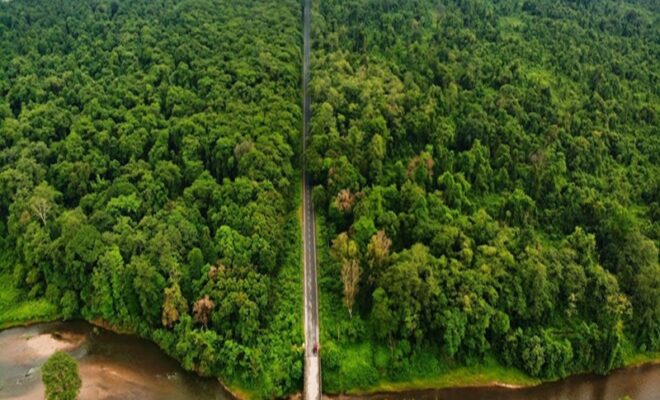
The Poba Reserve Forest biodiversity is among the richest in Northeast India. But conservationists warn that this protected ecosystem is increasingly under threat. It is located in Assam’s Dhemaji district near the Siang River. The forest is home to a wide range of plant and animal species.
Despite its protected status, environmental challenges and human activities continue to affect the Poba Reserve Forest Assam wildlife and its fragile ecosystem.
Ecological Importance of Poba Reserve Forest
The Poba Reserve Forest biodiversity includes dense tropical rainforest, rare medicinal plants, and diverse wildlife species. The forest serves as an important habitat for birds, reptiles, mammals, and insects that depend on its unique ecosystem.
Its location along the Siang river forest ecosystem also makes it an important ecological corridor that supports regional biodiversity and water systems.
Major Threats to Poba Reserve Forest
Conservation experts highlight several threats to Poba Reserve Forest, even though it has protected status.
Flooding and River Erosion
The forest lies close to the Siang River, which often causes flooding during the monsoon season. These floods can erode land, destroy vegetation, and disrupt wildlife habitats.
Deforestation and Human Activity
Illegal logging and encroachment remain challenges for Assam rainforest conservation efforts. Expansion of nearby settlements and agriculture can put pressure on forest resources.
Habitat Fragmentation
Infrastructure development and land use changes may lead to fragmentation of wildlife habitats, making it harder for species to move freely within the forest ecosystem.
Impact on Wildlife
The growing threats to Poba Reserve Forest affect various species that rely on the forest for shelter and food. Birds, small mammals, and reptiles are particularly vulnerable when habitats shrink or change due to environmental pressures.
Conservationists stress that protecting the Poba Reserve Forest Assam wildlife requires stronger monitoring and community participation.
Conservation Efforts and Future Challenges
Government agencies and environmental groups have been working on Assam rainforest conservation initiatives to safeguard the forest’s biodiversity. These include wildlife monitoring, anti-poaching patrols, and awareness programs for local communities.
However, experts say long-term conservation will depend on balancing development with environmental protection.
Epilogue: Protecting a Fragile Ecosystem
The Poba Reserve Forest biodiversity represents one of the most valuable ecological treasures in Northeast India. Preserving this rainforest requires coordinated conservation efforts, stronger environmental policies, and local community involvement. Without sustained protection, the forest’s rich biodiversity could face increasing risks despite its official protected status.
FAQs
1. Where is Poba Reserve Forest located?
Poba Reserve Forest Assam wildlife is found in Dhemaji district of Assam near the Siang River.
2. Why is Poba Reserve Forest important for biodiversity?
The Poba Reserve Forest biodiversity includes rare plants, birds, and animals that depend on the rainforest ecosystem.
3. What are the main threats to Poba Reserve Forest?
Major threats to Poba Reserve Forest include flooding, illegal logging, habitat loss, and human encroachment.
4. How can the forest be protected?
Stronger Assam rainforest conservation programs, community awareness, and sustainable land management are key to protecting the forest.