
Meta Horizon Worlds Shutdown Explained: Why VR Is Ending
Last updated on April 3rd, 2026 at 11:39 am
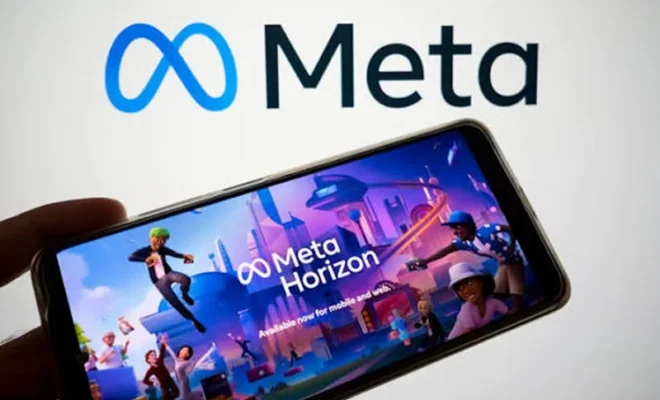
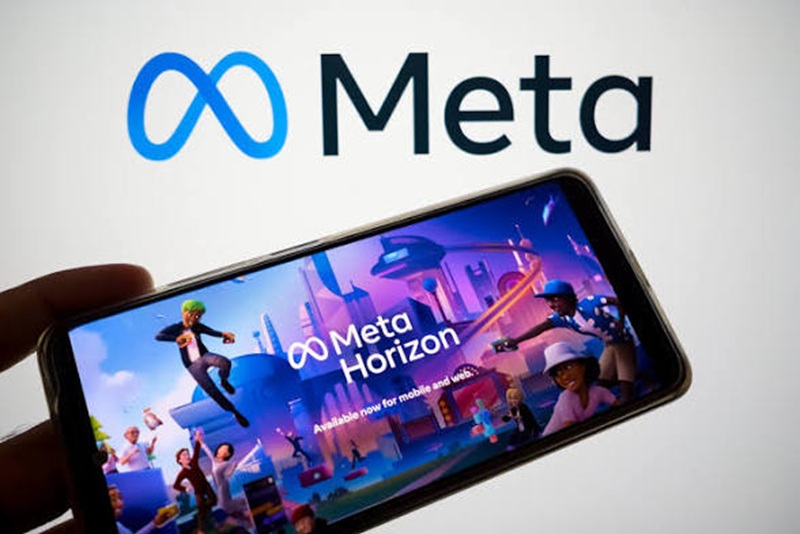
The Meta Horizon Worlds shutdown marks a significant shift in Meta’s metaverse strategy. Once positioned as a flagship VR social platform, Horizon Worlds is now being phased out following limited user adoption and changing priorities within the company.
The decision reflects broader challenges facing virtual reality platforms, particularly in sustaining long-term user engagement.
What Was Meta Horizon Worlds?
Horizon Worlds was a virtual reality social platform developed by Meta Platforms. It allowed users to:
- Create avatars and interact in virtual environments
- Build custom worlds and experiences
- Participate in events and social activities
The platform was central to Meta’s early vision of the metaverse, aiming to redefine how people connect online.
Why Is Meta Shutting Down Horizon Worlds?
The meta-horizon world’s shutdown is driven by multiple factors:
- Low User Adoption
Despite heavy investment, the platform struggled to attract and retain a large user base. Many users found the experience limited compared to expectations.
- High Development Costs
Maintaining a VR ecosystem requires significant resources, and the return on investment has been lower than anticipated.
- Strategic Shift
Meta is now focusing more on AI technologies and core platforms, reducing emphasis on large-scale metaverse projects.
- Hardware Limitations
VR adoption remains dependent on headset usage, which is still not mainstream globally.
What This Means for the Metaverse Vision
The shutdown of Horizon Worlds raises questions about the future of the Meta Metaverse strategy.
While Meta is not abandoning VR entirely, this move suggests:
- A shift from social VR platforms to more practical applications
- Reduced focus on building large virtual ecosystems
- Reallocation of resources toward AI and mixed reality
The metaverse concept may continue, but in a more scaled-down and focused form.
Impact on Users and Developers
The horizon worlds’ ending affects both users and creators:
- Existing users will lose access to their virtual spaces
- Developers may need to shift to other platforms
- Content created within the platform may not be preserved long-term
This highlights the risks associated with early-stage digital ecosystems.
Broader Challenges in VR Adoption
The Meta VR platform shutdown reflects wider industry issues:
- Limited daily use cases for VR
- High cost of entry for consumers
- Lack of compelling content for long-term engagement
While VR remains promising, mainstream adoption has been slower than expected.
What Comes Next for Meta
Following the meta horizon worlds shutdown, Meta is expected to:
- Invest more heavily in AI-driven products
- Continue development of mixed reality devices
- Focus on improving core platforms like Instagram and WhatsApp
The company’s long-term strategy appears to be shifting toward technologies with clearer adoption pathways.
Conclusion
The Meta Horizon Worlds shutdown represents a turning point in the evolution of VR and metaverse platforms. While the vision of immersive digital worlds remains, the current phase highlights the gap between ambition and practical adoption.
For now, Meta’s focus is shifting toward more scalable and widely used technologies.
FAQs
What is Meta Horizon Worlds?
It was a VR social platform created by Meta Platforms.
Why is Horizon Worlds shutting down?
Due to low adoption, high costs, and a shift in company strategy.
Is Meta abandoning VR?
No, but it is changing its approach to focus on more practical applications.
What happens to users?
Users will lose access to the platform once it is shut down.