India Hits 3-Crore Milestone as Maruti Suzuki Crosses Sales Record
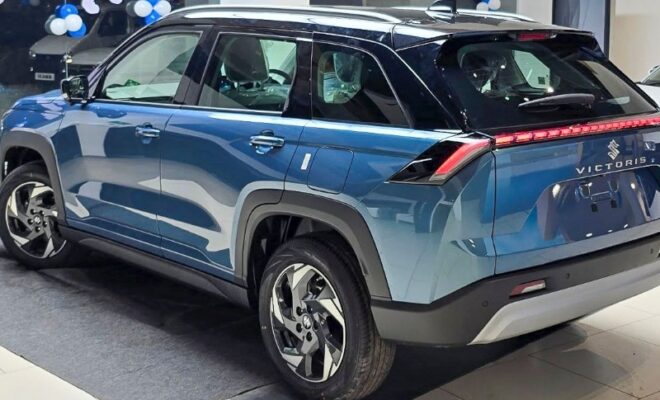
Morning showroom shutters roll up, horns start, traffic warms. Maruti Suzuki crosses 3-crore sales in India, a number that sounds heavy in the air. India becomes Suzuki’s second country after Japan to touch this scale. Big, steady, and very Indian in pace. That’s how it looks anyway, especially as Maruti Suzuki to Continue Focus on Small Cars remains a core part of its long-term strategy.
Why A Historic Moment for India’s Automobile Industry
Three crore domestic sales signals maturity. It shows repeat buyers in small towns and new owners in outer suburbs. It also anchors India as Suzuki’s second home market after Japan, which is not a small line on a slide deck. The scale strengthens local vendor bases, keeps logistics lanes busy, and holds dealership networks stable through seasonal cycles. And yes, street sounds tell the story too, the quick start of a Swift in a narrow lane at 7 am. Feels simple, but it took decades to build.
From Maruti 800 to 3 Crore Sales— The Journey So Far
The plot began with the Maruti 800 in the early eighties. Small, light, easy to fix. Families learned parking with it, school runs changed shape. Then came Wagon R, tall, practical, boxy in a friendly way. Swift added pace and a bit of flair. Alto kept first-time buyers in reach. Newer years brought Baleno and Brezza, pushing into hatch premium and compact SUV space. The count climbed in chunks. One crore, then two, now three crore domestic sales. It reads like a ledger more than a movie. That is fine.
Top-Selling Models That Drove Maruti’s Success
| Model | Launch year | Segment | What buyers liked | Indicative cumulative sales* |
| Alto | 2000 | Entry hatchback | Easy upkeep, city-friendly size, mileage | 47 lakh+ |
| Wagon R | 1999 | Tall-boy hatchback | Cabin space, practicality, easy ingress | 34 lakh+ |
| Swift | 2005 | Premium hatchback | Peppy drive, styling, wide variants | 32 lakh+ |
| Baleno | 2015 | Premium hatchback | Feature set, cabin feel, smooth petrol options | 10 lakh+ |
| Brezza | 2016 | Compact SUV | Ground clearance, road presence, efficiency | 9 lakh+ |
| Dzire | 2008 | Compact sedan | Boot utility, mileage, fleet and family appeal | 25 lakh+ |
India Becomes Second Country After Japan — Why It Matters
This status changes the centre of gravity for Suzuki planning. Local product cycles can move faster. Vendor contracts stay deeper and longer. Testing and validation for Indian conditions get priority by default. And let’s be honest, it gives confidence to buyers comparing options on a hot afternoon test drive. If a brand sells at this scale here, service parts will be available in a pinch. Nobody likes waiting three weeks for a mirror assembly. It irritates people, naturally.
Key Factors Behind Maruti Suzuki’s Market Dominance
- Early entry, then patience. Decade by decade, not quarter by quarter.
- Dense sales and service network, including towns where the best tea stall doubles as a landmark.
- Localised components that control costs through currency swings.
- Familiar driving dynamics, light controls, frugal engines.
- Finance partnerships that make down payments less painful. Small reliefs matter.
India’s Car Market Potential and Growth Outlook
Penetration remains modest compared to larger economies. New expressways push weekend travel habits. Metro expansions shift daily routines, yet households still add a small car for flexibility. Tier-2 and tier-3 cities see quick upgrades from used to new. The three-crore mark suggests room ahead rather than a ceiling. People still line up outside showrooms during festivals. The smell of fresh seat fabric on Dhanteras is a quiet tradition now. Sounds sentimental, but it moves numbers.
Challenges Ahead: EV Transition and Rising Competition
EV timelines remain tight on charging infra. Competing OEMs push aggressive SUV lineups and strong safety narratives. Fuel price swings test monthly budgets. Software expectations climb, too, with customers asking for connected features that feel clean and not glitchy. Maruti Suzuki must balance hybrid pathways, safer platforms, and digital ease without losing the price discipline that built its base. Tricky balance. Manageable if executed cleanly.
FAQs About Maruti Suzuki’s 3-Crore Achievement
1) When did Maruti Suzuki begin in India, and how did early cars set the tone?
The journey started in the eighties with compact models that fit tight streets, modest parking, and family budgets. Those early cars felt simple to run, easy to service, and they built trust that stuck.
2) Which models pushed the count to three crore domestic sales over the years?
Alto kept first-time buyers in reach, Wagon R handled family duty, Swift brought pace and style. Later, Baleno and Brezza added volume in premium hatch and compact SUV spaces, quite steadily.
3) India becoming Suzuki’s second country after Japan means what in day-to-day terms?
It usually means parts stocked deeper, shorter service wait times, and product refreshes tuned to local roads and heat. Customers notice when a needed mirror or sensor arrives quickly. Small reliefs matter a lot.
4) How could the EV shift change future launches and pricing here?
Expect hybrids to bridge the gap while charging networks spread. EVs will arrive, paced to infrastructure and localisation. Pricing discipline should stay central, since monthly EMIs and running costs still decide most purchases.
5) Will this milestone affect resale and upkeep in smaller towns too?
Large installed base keeps spares moving and technicians trained, even in districts off the highway. Resale tends to hold better for common models. People prefer cars any workshop can fix on a sweaty afternoon.