
What Does the Iran War Mean for India’s Oil Supply? Here is What You Need to Know
Geopolitical events are significantly evolving and consistently shaping India’s economy and energy security. The veil of security is redefining India’s oil supply. The Iran war analysis 2026 highlighted the vulnerability of the issue and exposed the relationship with neighboring countries. India is dependent on the world’s most sensitive chokepoint, the Strait of Hormuz.
The convergence of geopolitical instances is giving an edge to the US-Israel alliance strategy. The aftershocks of Iran, the United States, and Israel are felt beyond these geographical locations. For India, the stakes are particularly high, given its reliance on imported energy resources. The Jerusalem Strategic Tribune highlights the political and strategic decisions in a detailed manner.
A War That Goes Beyond Borders
The current conflict is showcasing the deeper strategic alignment. Primarily, in the US-Israel alliance strategy that has fortified the military and geopolitical pressure on Iran. However, beyond the strategy and alliances, the real consequences are felt by the global energy markets. The destabilization of the Strait of Hormuz is affecting global partnerships.
Strait of Hormuz: Energy’s Vital Artery
At the centre of this crisis lies the Strait of Hormuz security crisis. A narrow maritime passage through which nearly 20% of the global oil supply moves. It is popularly known as the energy’s vital artery.
For India, the dependence is even more pronounced. A significant portion of its crude oil, LPG, and LNG imports pass through this route. Thereby, making it a critical centre for the country’s energy needs.
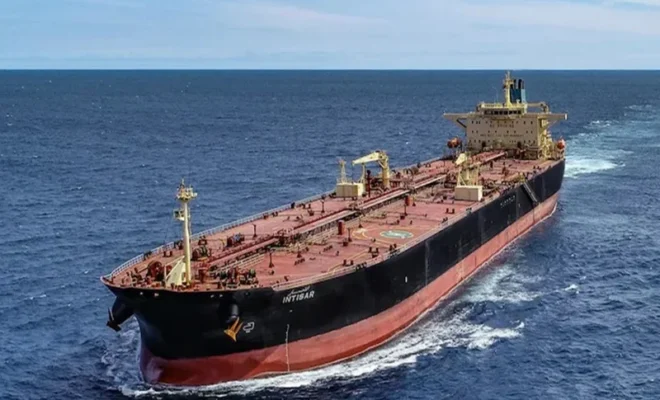
The recent disruption of energy sources is making the economy fragile. With multiple India-bound vessels waiting near Hormuz due to security concerns.
Upsurging Oil Prices and Economic Pressure
One of the immediate consequences highlighted in the Iran conflict lessons is the sharp rise in oil prices. Since the escalation began, crude prices have surged significantly, driven by supply uncertainty and restricted tanker movement.
For India, which imports nearly 90% of its crude oil, this translates into higher fuel prices domestically, increased import bills, pressure on the Indian rupee, and rising inflation across sectors. The economic impact extends beyond fuel.
Increased logistics costs, higher freight insurance, and disrupted supply chains are beginning to affect industries ranging from manufacturing to agriculture.
Energy Resources at Stake for India
The Middle East war’s geopolitical impact is particularly severe for countries like India. Where energy demand is high and domestic production is limited. The crisis has exposed structural vulnerabilities in India’s energy model.
Nearly all LPG and a large portion of natural gas imports originate from the Middle East, making disruptions in this region especially critical. Moreover, the slowdown or closure of the Strait of Hormuz could lead to not just higher prices but actual supply shortages.
Experts warn that prolonged disruption could trigger energy rationing or emergency measures if alternative routes are not secured.
Diplomatic Balance and Strategic Plan
India now exists in a complex diplomatic situation. The country needs to keep its relationships with both the United States and Israel while needing to maintain friendly ties with Iran to protect its energy supply routes.
Recent reports suggest that India has already begun diplomatic efforts to ensure safe passage for its tankers, reflecting the urgency of the situation. The Iran conflict demonstrates that energy security depends equally on diplomatic efforts and economic factors.
Diversification and Long-Term Strategy
The ongoing crisis is driving India to expedite its efforts for energy source diversification. The country is working to decrease its reliance on Middle Eastern oil through two main strategies, which involve increasing oil imports from different regions and developing renewable energy sources.
There is an increasing understanding that economic resilience needs permanent system reforms. It will help organizations achieve their goals through these three methods, such as strengthening strategic petroleum reserves, expanding renewable energy capacity, and diversifying supply chains. The current geopolitical environment forces countries to take these actions because it has become essential for maintaining economic stability.
Epilogue: Modern Conflicts Are Beyond Demarcated Boundaries
The Iran war analysis 2026 mandates that modern conflicts are beyond the demarcated boundaries. It is interlinked with the global economic paradigms. For India, the Strait of Hormuz security crisis highlights that dependence on other countries for energy resources can make a country’s economy vulnerable.
However, India has been choosing to negotiate bilaterally for safe passage by making alliances with naval powers. But energy pragmatism is leading to geopolitical conflict. The harmony that the trade routes play a pivotal role is reiterating the energy crisis.
Uncertainty in the energy ecosystem is alarming the country for becoming self-reliant and secured with energy resources.
Top Headlines You Must Explore
1.Explore Why Beer Prices May Rise?
Discover how global tensions could impact beer and bottled water costs worldwide.
2.Check What India-Iran Port Deal Means?
Explore the implications of the new port agreement and rising US concerns.
3.Discover Why US Warned Iran Recently?
Check how this warning affects the ongoing Israel-Hamas conflict dynamics.
4.Explore Fake MBBS Letters Warning Details?
Discover how NMC is alerting students about fraudulent medical allotments.
5.Check What Happened In Erbil Strike?
Explore details of the drone attack on Castrol amid rising Iran tensions.