
Iran Reopens Strait of Hormuz: Conditions, Ceasefire Terms and Global Impact Explained
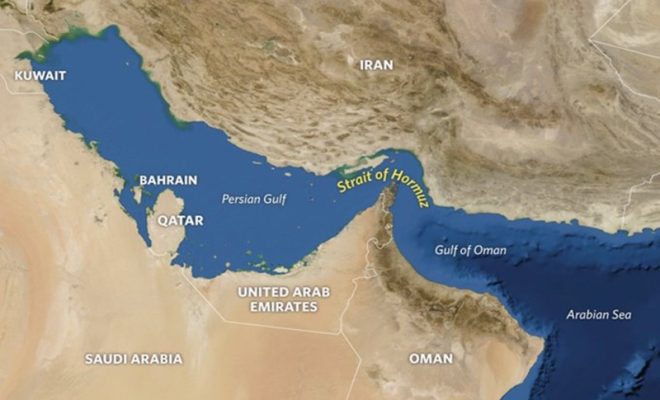
After weeks of war escalation, the decision has been made by Iran to open the Strait of Hormuz. It is marking a significant shift in the ongoing West Asia Conflict. The decision came after the temporary ceasefire arrangement between the US. It signals a cautious return to maritime normalcy in one of the world’s most critical shipping corridors.
However, the opening of the Strait of Hormuz is the biggest relief to the shipping ecosystem. Though it remains conditional and fragile, with the broader conflict far from resolved.
What Led to the Strait of Hormuz Security Crisis
The Strait of Hormuz security crisis emerged amid the military tensions. It was primarily between Iran, the US, and other forces. Following targeted strikes on Iranian infrastructure, Tehran responded by restricting maritime traffic through the Strait. Hence, it is effectively tightening control over a key global energy route.
Iran reopens Strait of Hormuz has brought consequent improvement in trade infrastructure. The world’s oil shipments, and any disruption, quickly translates into global supply concerns. Due to the war conflict, the vessels were delayed, and traffic slowed. And it led to a surge in oil prices.
Since the decision to reopen was made, crude oil prices have slipped, bringing relief to the global energy industry.
Ceasefire Terms Behind the Reopening
The reopening of the Strait is closely linked to a temporary ceasefire agreement reached between Iran and the United States. The understanding appears to be mandated in mutual restraint, with both sides agreeing to step back from immediate escalation.
Iran’s commitment to reopen the Strait formed a central part of the arrangement, while the United States signaled a pause in planned military actions. The agreement is time-bound, reportedly lasting for a short window. During which both sides are expected to explore diplomatic solutions.
The pause reflects not a resolution, but an attempt to prevent a larger conflict while negotiations continue.
How Shipping Is Resuming
The Strait has reopened, but it will take time before maritime operations reach their regular operational capacity. Authorities will track all movements through the channel, which will proceed at a slow pace.
Iran has indicated that shipping activity will resume under controlled conditions, which means that ships will require operational coordination for their transit through Iranian waters. The disruption created a backlog of ships, which will require additional time for complete resolution.
The shipping industry and insurance companies are both taking their next steps forward with extreme caution. The operators need to assess risks before they can operate their routes, which will result in slower traffic recovery than expected.
Why the Strait of Hormuz Remains Critical
The Strait of Hormuz remains one of the world’s most vital waterways, which holds strategic military importance. The waterway serves as an essential trade route because it links Persian Gulf oil fields to worldwide shipping routes.
Any disruption in this corridor has far-reaching consequences that affect both energy supplies and global economic stability. The recent crisis has revealed the route’s vulnerability to geopolitical tensions once again.
Epilogue: Reopening of Strait of Hormuz Will Stimulate Stability
The current ceasefire is temporary, and its future depends on ongoing diplomatic efforts. Both Iran and the United States are expected to engage in further negotiations during this period, with the aim of reaching a more durable agreement.
The risk of renewed hostilities exists as a potential outcome of the current situation. The underlying issues that triggered the conflict remain unresolved, and any breakdown in talks could lead to another phase of escalation.
Iran reopens Strait of Hormuz development highlights both the importance of the route and the fragility of the systems that depend on it. As the situation unfolds, the balance between diplomacy and escalation will determine whether this moment leads to lasting stability or renewed uncertainty.
Top Headlines You Must Explore
1.Check What India-Iran Port Deal Means?
Explore the implications of the new port agreement and rising US concerns.
2.Discover Why US Warned Iran Recently?
Check how this warning affects the ongoing Israel-Hamas conflict dynamics.
3.Explore Why Beer Prices May Rise?
Discover how global tensions could impact beer and bottled water costs worldwide.
4.Check What Happened In Erbil Strike?
Explore details of the drone attack on Castrol amid rising Iran tensions.
5.Explore Fake MBBS Letters Warning Details?
Discover how NMC is alerting students about fraudulent medical allotments.