IPL 2026 Ticket Pricing Guide | RCB ₹65,000 Outrage
Last updated on July 10th, 2026 at 11:08 am
The IPL dynamic pricing 2026 dispute reached new heights after news emerged that Royal Challengers Bengaluru match tickets were priced at more than ₹65,000. The IPL premium sports experience has now become a topic of discussion: whether the league has become too expensive for its dedicated supporters to access.
The core problem stems from an airline and concert industry pricing system that uses demand-based pricing to determine ticket costs based on demand, time, and opponent selection. The financial benefits of the system result in franchises gaining profit, but it creates a shift in the IPL from a public sporting event to a high-class entertainment experience.
What Is Dynamic Pricing and Why It’s Being Used
The concept of IPL dynamic pricing 2026 is rooted in demand-based economics, which determines ticket prices through three factors: match significance, opposing teams and the timing of ticket purchases.
The schedule of Royal Challengers Bengaluru and Chennai Super Kings matches to create high-demand fixtures, which drive up ticket prices because of fan enthusiasm and the restricted seating capacity of the stadiums.
The franchises use this business model to increase their revenue through real-time ticket price adjustments which mirror the demand patterns of their customers, which resembles the pricing systems used by airlines and concert events.
Why ₹65,000 Tickets Are a Turning Point
The introduction of ₹65,000 ticket prices marks a significant development in IPL dynamic pricing 2026. The IPL had established pricing models that permitted all fans to access its premium experiences.
The current price increase for tickets demonstrates a trend towards premiumization, which now determines prices through market demand instead of making events accessible to all.
The new pricing model makes it harder for fans to attend games, while fan perception of the league has shifted toward viewing it as an elite experience instead of a common public event.
How Demand-Based Pricing Is Changing the Fan Experience
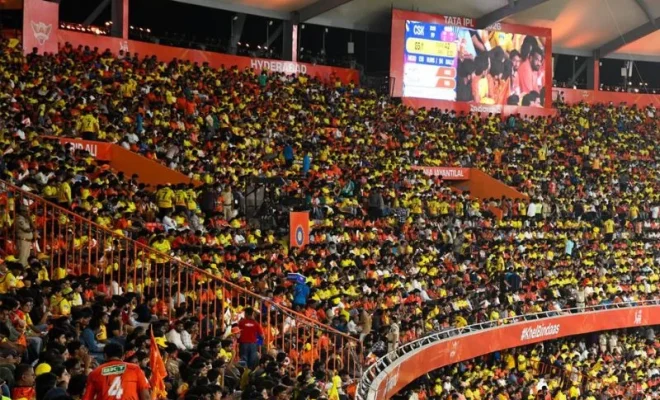
The 2026 IPL dynamic pricing system has its main effects on stadium operations and audience capacity. The league atmosphere is created by the diverse local fan base and family supporters who attend IPL matches.
The current price increase has been changing the people who attend the event. As prices become less affordable, more corporate clients and high-end customers start to attend matches, which will decrease the natural excitement that characterizes Indian cricket games.
The cultural identity of IPL matches will experience permanent changes because of this development.
You May Also Like
1. Explore Netflix’s New Kids Gaming App?
Discover how Netflix’s Playground app brings fun games and safe entertainment for kids.
2. Discover Mumbai’s Upcoming Global eSports Event?
Check what to expect as Mumbai prepares to host a massive international eSports tournament.
3. Check GTA VI Price Expectations Now?
Explore predictions around GTA VI possibly becoming Rockstar’s most expensive game ever.
4. Explore Little Nightmares VR Experience Details?
Discover the release date, gameplay features, and PSVR2 experience of this horror title.
5. Discover Why Ubisoft Is Cancelling Games?
Check whether Ubisoft’s cancellations are due to financial issues or strategic changes.
The Economic Logic vs Emotional Reality
From a purely economic perspective, IPL dynamic pricing 2026 makes sense. Franchises operate in a high-investment ecosystem where player salaries, infrastructure, and broadcasting costs continue to rise.
Dynamic pricing allows them to capture the full value of high-demand matches and reduce inefficiencies such as underpriced tickets or black-market reselling. However, cricket in India is not just a commercial product; it carries deep emotional significance.
Fans are not merely customers, they are long-term supporters with strong connections to their teams. When pricing becomes detached from this emotional reality, it risks creating a disconnect between the league and its core audience.
Impact Beyond the Stadium
The implications of IPL dynamic pricing 2026 extend beyond immediate ticket sales. Higher prices can influence long-term fan engagement, particularly among younger audiences who may find it increasingly difficult to experience matches live.
The reduced accessibility to games prevents fans from experiencing emotional connections with teams, which leads to future viewing decline and loyalty loss. The IPL has achieved its historical success through its capacity to reach diverse audiences, and any reduction of this audience base will produce permanent effects on its success.
Conclusion
The debate around IPL dynamic pricing 2026 reflects a deeper tension between commercial growth and fan inclusivity. While the league continues to expand as a global sports brand, its long-term strength depends on maintaining its connection with everyday fans. Rising ticket prices, if left unchecked, risk shifting the IPL away from its roots as a widely accessible sporting festival.