
IndiGo’s Fleet Replacement Strategy: The Silent Reason Behind Sudden Flight Cancellations
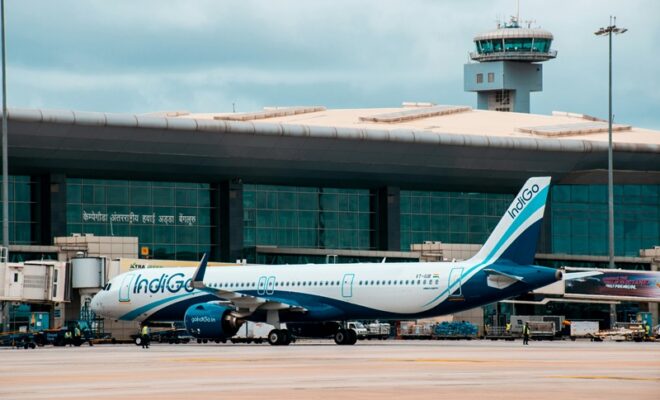
The biggest airline in India has been grappling with a sudden wave of delays and cancellations of flights and customers are left baffled and upset. Although in the mass media, the technical problems or lack of aircraft are frequently brought up, the truth lies beneath that. The main issue is the way the strategy of changing the fleet of IndiGo is combined with new regulatory standards, human resources, and work interruptions. Having tighter DGCA fatigue laws on pilots, unanticipated software problems and a network that heavily relied on the nighttime operation, IndiGo found itself in a nightmare of schedules collapses. Knowledge of these internal factors brings the light on why the most punctual carrier in India all of a sudden found it hard.
1. How IndiGo’s Operational System Reached a Breaking Point
The cancellation crisis that happened recently did not simply happen because of a single problem- it was a confluence of a number of operational problems that struck simultaneously. Although most people cited the IndiGo fleet replacement strategy as a potential reason, the actual disruptions were due to the new norms of DGCA Flight Duty Time Limitations (FDTL). These guidelines, which will be effective on November 1, 2024, imposed longer working hours and reduced night flights on pilots. This immediately narrowed the number of pilots available to fly since an airline was with an extensive network over the night.
IndiGo used an ancient system of a lean crew that was based on older regulations. When the new FDTL norms came into effect, the airline was left in a state of shortage of available manpower. Although the IndiGo fleet replacement strategy guaranteed the availability of the aircraft, ground-based planes were worth nothing without certified crew members who were willing to fly them. This imbalance made IndiGo unable to sustain the normal flight rate.
2. How Software Glitches Amplified the Crew Crunch
To add to the already existing new regulations, there was a big glitch in IndiGo at the same time, a software patch that was necessitated as an emergency in Airbus A320 airplanes. This update interfered with the internal rostering system of the airline. Pilot pairings, duty schedule and rest schedules were derailed. The bad timing could not have been more because IndiGo was already on its knees in an attempt to adapt to the new fatigue standards.
The IndiGo fleet replacement strategy was further stressed in such a situation. Although the older aircrafts were being rotated and newer aircrafts being injected, the actual bottleneck was the human resource scheduling. The airline had to cancel massively thousands of passengers in major airports because it needed a stable roster.
3. Why Night Operations Suffered the Most
IndiGo is reputed to be a high density network with tight flight timetables particularly in night time operations. The amended FDTL limitations had a direct impact on this segment. Overnight pilots need more rest time and have to be restricted more in their duties. In the lean staffing model, IndiGo did not have sufficient rested pilots to comply with safety requirements.
This is where the stress was indirectly caused by the IndiGo fleet replacement strategy. More efficient aircraft that are newer in operation have to be piloted by pilots who are trained up to date depending on the particular aircraft. The airline had a challenge of finding sufficient crew to send the fleet into seamless transition into night operations and at the same time, there were limited training slots and many pilots had been fully occupied; hence, the airline had a challenge to properly train enough crew.
4. Regulatory Response and IndiGo’s Recovery Plan
Cancellations increased leading to chaotic situations at some of the Indian airports. Lines of passengers became very long; missed connections became common. The DGCA realized the extent of disruption and came in to provide interim operational relaxations. These actions left IndiGo with a little room to restructure the schedules and enhance pilot availability.Given that the problem was an accrual of constraints, IndiGo asked to be given more exemptions and estimated that the problem would be normal in February 2026. The revitalization plan of replacing the Indian fleet of airlines will remain instrumental in stabilizing the operations as newer aircrafts come into the service