
IndiGo Cancels 70 Flights Citing Tech Issues, Airport Congestion, Operational Requirements
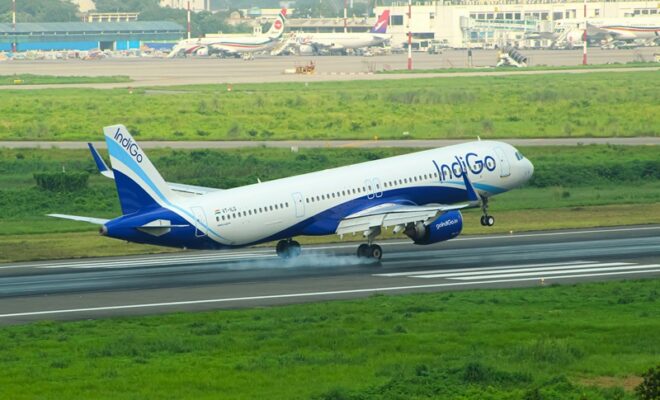
In a major operation failure, IndiGo cancels 70 flights due to a combination of technical problems, congestion in the airports, and acute shortages of crews. All vital airports such as Mumbai and Bengaluru were not spared and left thousands of passengers stranded. The situation has been aggravated by the fact that, according to the officials, new Flight Duty Time Limitation (FDTL) standards that are implemented by the aviation regulator DGCA have drastically decreased the number of pilots. As the on-time delivery performance declined to alarming levels, the crisis reveals the underlying stress in the fast-growing aviation industry of India. It is also observed that the episode casts sober issues regarding passenger confidence, the readiness of the airline and transition of regulations.
Widespread Cancellations Disrupt Major Airports
On December 3, IndiGo cancelled more than 70 flights in various airports in India, with the greatest affected airports being Mumbai and Bengaluru. A number of other services were experiencing long queues that led to pandemonium at the airports. As per the PTI sources, things went bad very fast since Tuesday night and the situation got worse as the airline had to vindicate full flight crews on Wednesday.
The passengers dominated social media by complaining of missed connections, inability to communicate and delayed refunds. The airport officials were compelled to hire additional personnel to control the people in the airports as the uncertainty persisted during the peak travel periods.
Airline Cites Tech Issues, Congestion and Operational Requirements
An official IndiGo spokesperson admitted the disruptions, saying that inevitable delays and cancellations were a result of technology problems, airport congestion, and operational imperatives. The recent surges in the traffic at the airport, and most recently in metro cities, have overstretched the infrastructure capacity during rush hours.
But although the airline cited a combination of factors as the official cause, insiders in the industry blamed the growing problem of crew shortages as the main catalyst in the series of cancellations.
Crew Shortage Linked to FDTL Norms at the Heart of Crisis
Sources asserted that the second wave of the amended Flight Duty Time Limitation (FDTL) norms has drastically narrowed the supply of flight crew. The new regulations have stipulated:
- 48 hours of weekly rest
- Long night shift restrictions.
- Night landings were reduced to two rather than six.
Most domestic carriers, such as IndiGo and Air India, initially protested the norms but they were enforced due to the directives of the Delhi High Court. Although Phase 1 came into effect in July, Phase 2 came into effect on November 1 and this had a profound effect on the airlines that had a large night operation.
IndiGo’s On-Time Performance Slumps to 35%
Authoritative statistics of the Civil Aviation Ministry indicated the effects of the disturbances. On Tuesday, IndiGo’s on-time performance dropped to just 35% across six major airports. at six major airports. Competitors, in their turn, did much better:
- Air India – 67.2%
- Air India Express – 79.5%
- SpiceJet – 82.5%
- Akasa Air – 73.2%
This has drastically dropped emphasizing the operational pressure IndiGo is in at the moment.
Large Fleet, Rising Grounded Aircraft Add to Pressure
IndiGo serves almost 2,100 flights daily with the greatest market share in India. The airline operated a total of 416 aircraft as at December 2 (compared to 47 aircraft in November) with 50 grounded. The operational bottleneck is also aggravated by the rise in the number of aircraft grounded in the high-travel season.
What This Means for India’s Aviation Sector
The accident highlights the vulnerability of airline operations when regulatory changes are involved. Although the essence of FDTL reforms is to enhance pilots safety and alleviate fatigue, the never ending competition among airlines is now switching to attracting and training more personnel as quickly as the demand.
To the passengers, the incident is a reminder of the volatility of the recovery of aviation in the aftermath of the pandemic, even though there was an unprecedented increase in passenger traffic.