
Indian Markets Edge Higher in Final Trading Session of the Year
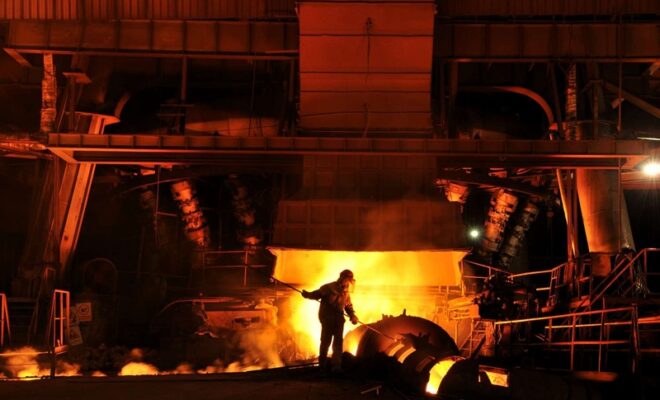
The Indian equity indices ended the last trading day of the year with small-scale returns, which indicate the apprehensive optimism of investors. This increase was fuelled to a large extent by a revival of metal stocks following the government tariffs on safeguard tariffs on certain steel imported as a measure to support the domestic producers. This policy action eased the mood in the metals industry and served to counter this pressure associated with continued outflow of foreign funds. Although returns were weak, more diversified markets proved more resilient, which indicated optimism over the fundamentals of the Indian economy as investors wait to see macroeconomic indicators, company profits, and government indicators that could come in the next year.
Steel Tariff Decision Lifts Market Sentiment
One of the reasons that caused the positive close in the market was the move of the government to put a multi-year safeguard tariff on some steel imports. The idea behind this move is to protect the domestic steel producers against cheap foreign imports and enhance competitiveness of the Indian makers. After the announcement, there was a significant interest in buying among major steel companies, which pushed the metal index up.
The steel tariff boost gave a clear signal on a policy that favors domestic industry and the investors increased their stock of metals. This was considered as a long run good in terms of capacity building, profitability and creation of employment in the industry by the players in the market.
Benchmark Indices Close with Modest Gains
In the last session of the year, the indices of benchmarks were slightly higher, which indicated picky buying as opposed to a generalized excitement. The Indian shares inch higher in the year’s final session on steel tariff boost was reflected in better performance of metal stocks as compared to other sectors. Banking and information technology shares were fluctuating whereas the FMCG shares were not fluctuating much.
Wider markets such as mid-cap and small-cap stocks also showed small gains, which showed that domestic investors have become more risk-takers. Nonetheless, the net motion was limited by the cautious international indicators and the continuous selling of international institutional investors.
Foreign Outflows Continue to Weigh on Upside
Although there was a positive domestic trigger, outflow of foreign portfolio investors was a restrictive element in market gains. The enthusiasm of continued selling by foreign investors during the month of December suppressed steep gains in benchmark indices. According to market analysts, expected interest rates, cross border exchange rates and geopolitical uncertainties have influenced the foreign investment behaviour.
Despite this, robust involvement of institutional investors in the country cushioned the effect of the foreign selling and the markets remain sta
Outlook for the New Year
Investors are hopeful and picky looking ahead. The steel tariff boost is an example of policy support measures that are likely to have a medium-term positive impact on manufacturing-related industries. The market players will be keen on future corporate incomes, inflation rates, sales of the automobiles, and the Union Budget on the further guidance.
The closing trend that Indian shares inch higher in the year’s final session on steel tariff boost is indicative of confidence in the India growth story, despite the global challenges that the world is facing. Analysts assume that the domestic demand and favorable policy activities may allow the markets to remain on track in the early months of the new year.