
Indian Rupee Exchange Rate: Premiums Rise on Fed Outlook
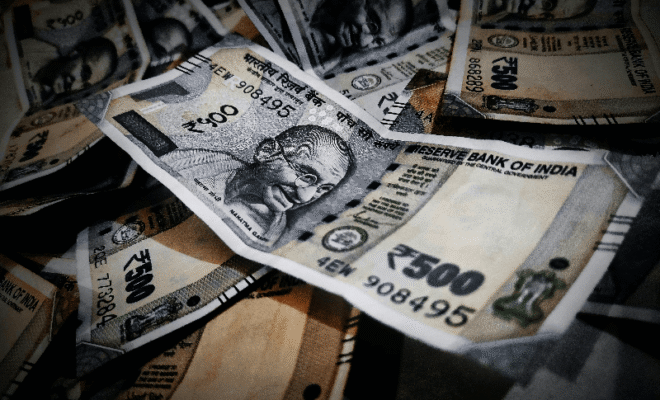
The Indian rupee stumbled again on Tuesday, refusing to settle above the 88 mark against the U.S. dollar. Currency desks in Mumbai hummed with tension as numbers on the screen flickered between 88.05 and 88.25. Importers scrambled for cover. Exporters held back.
The rupee stood at ₹88.10 for one dollar by afternoon, the euro climbed to ₹103.55, the pound to ₹119.55, the Australian dollar hovered near ₹58.22, the Canadian dollar at ₹63.82, and the dirham just short of ₹24.
For businesses trading in foreign currency, these were not abstract figures—they were bills due at month’s end.
Current Market Performance
The day opened flat. At 9 a.m., the rupee stood at 88.05. By lunch, it slipped toward 88.20, and dealers leaned back in their chairs, already bracing for a heavier close. The Reserve Bank of India stayed quiet, letting the market find its own rhythm. Traders expected light intervention, but none came. That silence only added to the pressure.
Cross rates told a similar story. The euro moved firmly above 103.5, while the pound drifted toward 119.5. Even the UAE dirham, usually steady, ticked higher. Every movement mattered for companies calculating overseas payments.
An importer bringing electronics from Europe had to redo his cost sheet by noon. Exporters receiving payments from the U.S. welcomed the conversion but admitted that unpredictability made planning harder.
Key Drivers Behind Rupee’s Weakness
The fall did not happen in isolation. Global and domestic triggers combined, pushing the rupee into uncomfortable territory. Traders pointed to three clear drivers.
Dollar Strength and Fed Outlook
The dollar index stayed strong, lifted by U.S. data showing a sturdy labor market. Investors lost hope of quick interest rate cuts, and the Federal Reserve’s tone only reinforced that view. Each comment from Washington crossed into Asia by dawn, leaving Indian dealers to react before breakfast. A harder dollar meant a softer rupee.
Oil Imports and Payment Pressure
Oil prices moved above 78 dollars a barrel. For India, which relies heavily on imported crude, that meant one thing: more dollar demand. Refiners lined up for payments, and the rupee bent under the weight. Dealers said these transactions are routine but relentless, and the timing could not have been worse.
Capital Outflows and Equity Moves
Foreign funds trimmed positions in Indian equities. Some moved money to U.S. bonds, tempted by higher yields. Even small outflows show up quickly in the currency market. Stocks held up, but the rupee reflected the shift almost instantly. One dealer called it “death by a thousand cuts”—no crash, just steady pressure.
Forward Premiums and Market Reaction
Forward premiums shot higher, revealing the mood in the market. One-year contracts climbed past 1.65 percent. Importers rushed to hedge, locking exposure at steeper costs. Exporters were more patient, waiting for clarity before committing.
The rise in premiums told its own story. When the Fed sounds firm on rates, Indian forward markets react without delay. Tuesday was no exception. Dealers priced in weakness ahead, and the spot market followed, keeping the rupee under 88. Market talk turned to discomfort. Not panic, but not calm either.
The higher premiums also raised hedging costs. For an importer, that meant less room in budgets. For exporters, it complicated decisions—take the gain today or wait for better cover tomorrow. In both cases, uncertainty won.
Impact on Businesses and Consumers
The real economy felt the pinch quickly. Importers of fuel, machinery, and chemicals reworked invoices midweek. A fifty-paise drop in the rupee against the dollar can knock margins flat. Several firms began factoring in higher costs for the coming quarter.
For ordinary households, the squeeze is slower but steady. Oil imports affect pump prices, which then ripple into transport and groceries. Medicines made with imported inputs creep higher on shelves. Inflation is already sensitive, and a weak rupee makes it harder to hold steady.
Exporters found mixed fortunes. Software and textile companies saw better conversions on overseas earnings. Still, treasury managers hesitated to hedge too far ahead. A sharp reversal could erase gains overnight. A weaker rupee looked good on paper, but in practice it made planning harder.
Expert Insights and Projections
Market watchers said the rupee is likely to remain under strain. The Currency Exchange market views the 88 level as a psychological marker, and slipping to 88.50 could draw the Reserve Bank of India into more visible action. For now, the central bank seems content to let the rupee move within range.
Attention now turns to U.S. inflation numbers. A softer print may ease dollar demand, giving the rupee space to recover toward 87.80. A strong reading would push it further down. Oil prices remain the joker in the pack. If Brent rises above 80, traders expect even heavier pressure.
Corporate treasurers are adjusting strategies. Importers may hedge earlier, exporters may book in smaller chunks, and banks expect premiums to stay firm. No one expects calm in the near term.
Looking forward, three forces will guide the rupee’s path: oil prices, the Federal Reserve’s policy stance, and foreign investor flows. Relief in any one of these could offer a lift. Without it, businesses and households may have to live with the rupee above 88 as the new normal.