India to Welcome Second Global WHO Summit on Traditional Medicine in New Delhi This December
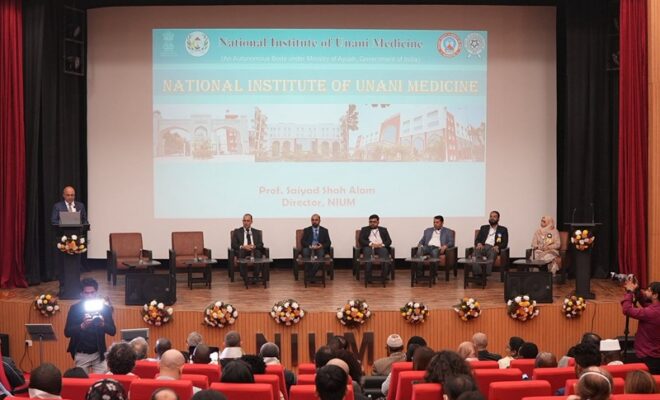
India will also enhance its role in healthcare dialogue on an international scale as it is gearing up to host the second WHO Global Summit on Traditional Medicine in New Delhi between December 17 and 19, 2025. More than 100 countries will introduce their representatives of policy formers, scientists, traditional healers, representatives of Indigenous knowledge, and representatives of civil societies to the landmark international event. The summit was co-hosted by the World Health Organization and the Ministry of Ayush and is expected to bring the ancient systems of healing closer to the modern scientific systems. It is based on momentum established by the initial summit that was actually in Gujarat in 2023.
India’s Expanding Role in Global Traditional Medicine
The forthcoming WHO Global Summit on Traditional Medicine historically mentions the increasing extent of influence India has on the world-wide discussion of holistic health and well-being. India has a long history of Ayurveda, Yoga, Siddha, Unani, and other systems, which provide a live example of how traditional knowledge can be incorporated into the work of health delivery to the population. The summit in New Delhi will be an opportunity to re-establish the role of traditional medicine and at the same time promote evidence-based practice, safety standards, and the ethical governance of practitioners.
The ministry of Ayush has been instrumental in establishing India as a worldwide center of collaboration in traditional medicine. The ministry has facilitated mainstreaming of the traditional systems in national and international healthcare strategies through policy frameworks, research and international collaborations.
Theme, Agenda, and Strategic Focus
The WHO Global Summit on Traditional Medicine, which bears the theme Restoring balance: The science and practice of health and well-being, will concentrate on ensuring that traditional practices are aligned with the requirements of modern healthcare. The WHO Global Traditional Medicine Strategy 20253034 will be used to guide the discussions.
Among the major areas of the agenda are people-centred healthcare integration, strengthening regulatory and governance frameworks, improvement of scientific research, and planetary health. The Ministry of Ayush will work in tandem with the international professionals in order to make sure that traditional medicine plays a significant role in universal health cover without compromising on biodiversity and sustainability.
Sessions, Innovation, and Global Participation
The WHO Global Summit on Traditional Medicine is to be held over three days with high-level plenary sessions, expert panels, and technical discussions. Among the issues, there will be resilient healthcare models and investments in innovation, as well as the responsible use of digital tools, including artificial intelligence. Over 170 specialists will deliver speeches in 25 sessions and 21 innovative solutions will be presented.
The summit will be structured in a hybrid format that will enable both face-to-face and remote attendance, which will add to the principle of inclusivity. The Ministry of Ayush predicts that the event will lead to new partnerships, policy undertakings and research projects that bolster the world through its efforts in traditional medicine.
Expected Outcomes and Global Impact
It is expected that the summit will hasten the process of evidence-building, securing Indigenous knowledge systems, and encourage the sustainable use of medicinal resources. Through dialogue and collective accountability, the WHO Global Summit on Traditional Medicine will entrench traditional medicine into just, safe, and future-ready health systems around the globe, and the Ministry of Ayush will remain in the lead.