
2026 Breakthrough: India US Trade Deal – What You Should Know Now
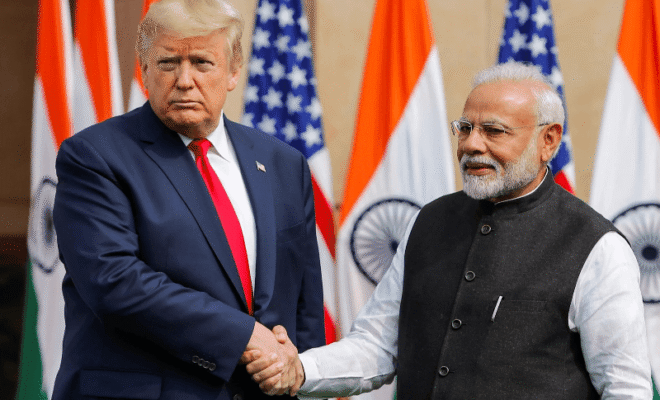
The latest India–U.S. trade breakthrough landed on February 2–3, 2026, after a call between Donald Trump and Narendra Modi, making it major Current News in India: Washington signalled a tariff cut on many Indian goods to 18%, while New Delhi committed to reduce trade barriers on U.S. products and sharply scale back (or stop) Russian oil purchases. It also fits the wider “friend-shoring” push: U.S. buyers want steadier alternatives, and India wants faster export growth.
What’s In The Deal So Far
Early readouts describe a “first phase” package: India’s purchase commitments (petroleum/energy, defence equipment and aircraft are repeatedly named), plus market-access steps that could touch agriculture, electronics, pharmaceuticals and telecom products. Markets treated it as risk-on news, with Indian equities and the rupee strengthening after the headlines.
For exporters and importers, three practical questions matter:
- Which HS-code lines actually move to 18% (and when)
- Any rules-of-origin or compliance checks tied to tariff relief
- What “zero barriers” means in real paperwork: standards, licences, data rules and inspections.
Here’s a quick clip from ANI that captures the “more work ahead” framing.
Why This Is Trendy Right Now
Two angles are driving chatter: (1) energy geopolitics, because Russian crude has been central to India’s discount-barrel strategy since 2022, and (2) manufacturing supply chains, with smartphones and electronics already reshaping India’s export mix to the U.S.
What To Track Next
Expect follow-on talks to clarify timelines, carve-outs and enforcement, because key terms are still being filled in publicly. If you trade across the corridor, build flexibility into contracts (price-adjustment clauses, shipment cut-offs) and hedge currency exposure until tariff schedules are published.