
India’s 2026 Union Budget: Key Sectors Likely to Get a Boost
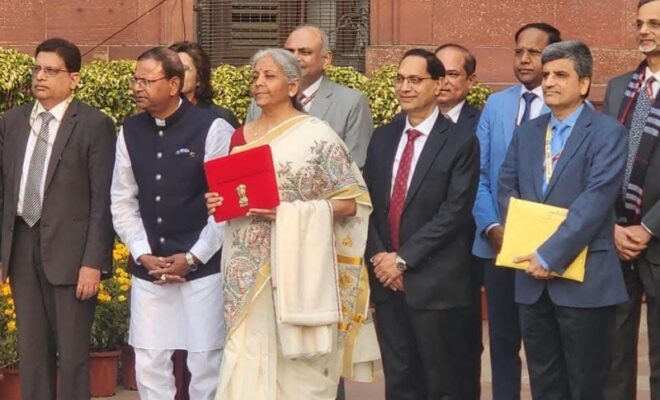
India’s Union Budget 2026 is expected to balance fiscal discipline with growth priorities, using targeted spending and policy support to strengthen jobs, infrastructure, and household demand. Since the last announcements will be based on revenue assumptions, inflation and international circumstances, this preview is dedicated to the sectors which are usually attended to when the government desires to stimulate investment and enhance the delivery of the state services. The biggest themes to watch are capex-led development, manufacturing competitiveness, and welfare efficiency. To the businesses and citizens, the actual effect will be reflected in the project pipelines, tax indicators, availability of credit, and incentives that will influence the decision through FY 2026-27.
Infrastructure and capital expenditure
The infrastructure is also probably going to serve as a fundamental lever, and roads, railways, urban transport, and logistics will be prioritized. The increased public capex typically concentrates investment in the hands of the privates, facilitates construction-related jobs and enhances supply chain efficiency. Observes allocation indicators that prioritise last-mile connectivity, ports and industrial corridors.
Manufacturing, MSMEs, and jobs
Budget measures often aim to deepen “Make in India” momentum by supporting domestic manufacturing, especially for electronics, renewables supply chains, and key industrial inputs. MSMEs may get a boost through easier credit, guarantee schemes, faster payments, and compliance simplification. Jobs are directly dependent on policies that are cost of doing business lowering and increase skilling.
Green transition and energy
The 2026 budget has a potential to increase its assistance in the use of clean energy- grid upgrades, energy storage, EV ecosystems, and green hydrogen pathways. The incentives in this case are usually aimed at lessening the reliance on imports, constructing the country level ability and cutting down on the intensity of long run emissions. In case of announcement of financing tools, they could be used to de-risk the investment of the private sector.
Agriculture and rural demand
Rural support is a very influential sector which determines the dynamics of consumption and inflation. The potential areas of specialization are irrigation, storage/cold chains, agri-tech, crop insurance, and value-added food processing. Demand on FMCGs, two-wheelers or affordable housing is usually enhanced by measures that enhance the rural incomes.
Health, education, and digital public services
Allocations for healthcare infrastructure, prevention programs, and insurance coverage can improve productivity and reduce household vulnerability. Education and skilling spend may tilt toward employability—digital skills, vocational training, and industry-linked programs. Leakage can also be reduced and targeting enhanced through upgrades of digital public infrastructure and service delivery.