Byrnihat to Delhi: Why India Still Has the World’s Most Polluted Cities
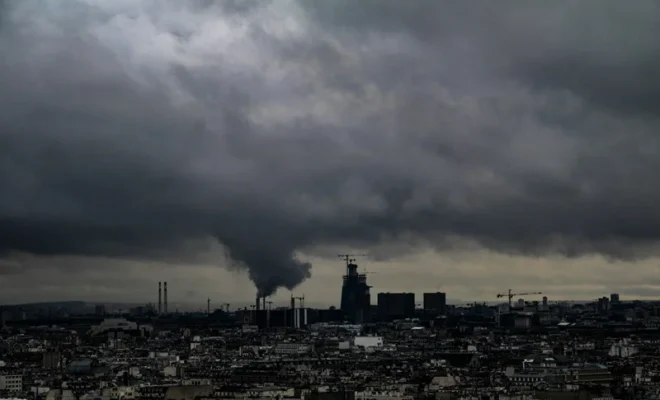
As winter arrives, the same grim headlines resurface. The cities of India top the list of the world’s most polluted places. By 2025, Delhi was not the only city at the top of that list. Byrnihat, a small industrial town on the Assam-Meghalaya border, logged the highest average levels of PM2.5 in the country, even more than the capital. This change tells us a lot about the seriousness and size of the air pollution problem in India.
Byrnihat: A Small Town, A Big Pollution Problem
Byrnihat was not a large town. It is peacefully located on the border of Assam and Meghalaya, about 20 km from Guwahati. But in recent years it has been registering some of the world’s worst air quality. Byrnihat had an average PM2.5 level of 100 micrograms per cubic metre in 2025 followed by Delhi at 96 and Ghaziabad at 93. Last year, the town had an annual average of 128.2 micrograms per cubic metre of PM2.5, or about 25 times the limit recommended by the World Health Organisation.
The reasons are not difficult. Byrnihat has dozens of industrial units-distilleries, iron and steel plants, cement factories and beverage units-spread over both the Assam and Meghalaya sides of the town. The place has a national highway running through it. That means a steady stream of vehicle emissions. Delhi’s smog is visible in your face. Byrnihat often looks green and clean from a distance. Local people say the truth is only visible on closer inspection, in the black dust that settles on rooftops, plants and parked vehicles.
Delhi’s Winter Struggles Continue
Delhi still makes the list of most-polluted cities delhi, and for good reason. Between October and January, the city’s air quality worsens significantly on account of a cocktail of vehicle emissions, construction dust, burning of crop residues in neighbouring states, and weather conditions that trap pollutants closer to the ground in cooler months. “The improvement each year has been small despite the restrictions such as the Graded Response Action Plan, which triggers bans on construction and traffic curbs when pollution crosses certain limits.
Why India’s pollution problem continues to worsen
The current picture is even more worrying, because pollution is no longer simply a big-city problem. Like Delhi and Byrnihat, towns such as Ghaziabad, Noida, Gurugram, Greater Noida, Bhiwadi, Muzaffarnagar and Hapur regularly feature on the worst-polluted list, according to reports under the National Clean Air Programme. Many of these places do not have a specific pollution control authority or staff to strictly enforce existing regulations. Factories continue to churn out goods, older cars continue to ply our roads and waste continues to be burnt in the open – often because there are no readily available and cheaper alternatives.
What Residents Can Really Do
It takes time to wait for policy change, but there are things people living in high-pollution areas can do right now to lower their daily exposure:
•Check daily air quality index (AQI) readings before planning any outdoor activities with apps like SAFAR-India or the Central Pollution Control Board’s own portal
•Keep windows shut during the early morning and late evening when pollution levels are usually at their highest.
•Wear N95 or N99 masks, especially when going out on high pollution days and close to busy roads or industrial areas.
•When the AQI is above 200, children and the elderly are the most vulnerable, so don’t exercise outdoors.
•Keep a few air purifying plants at home like money plants or areca palm or use indoor air purifiers where possible.
•Public complaints do trigger inspections sometimes, so report continuous industrial smoke or open burning to local pollution control boards
Beyond Awareness for a Long Term Fix
Government schemes like the National Clean Air Programme are working to cut down particulate pollution in target cities, and some states have begun offering incentives for cleaner fuel use in industries. But real change will require stronger enforcement, better monitoring in smaller towns and industries being made to account for emissions – not just in Delhi but in places like Byrnihat that rarely make the headlines until the numbers get too bad to ignore.
India’s pollution story isn’t just about Delhi winter smog anymore. It’s a pattern that’s repeating itself in industrial belts and satellite towns across the country, often quietly, until someone looks at the data. Protecting your family’s health starts with simple habits you practise every day. But truly clean air over the long haul will only come when we push local authorities to act, not just react.
Stay Updated on Global Developments
Why Did India Issue Iran Advisory?
Find out why Indian citizens have been urged to leave Iran immediately.
Why Must Indians Stay Indoors?
Learn why the MEA advised Indians in Iran to remain indoors.
Is UAE Safety Affected By Tensions?
Check out how regional tensions could impact Indians living in the UAE.
How Did The Oman Attack Unfold?
Uncover the confirmed details surrounding the Indian sailor’s tragic death.
What Happened To Frozen Assets?
Explore the latest updates on the release of frozen Iranian assets.