
India’s Heatwave Crisis: Are Cities Like Chennai and Delhi Becoming Unlivable?
A Summer That No Longer Ends
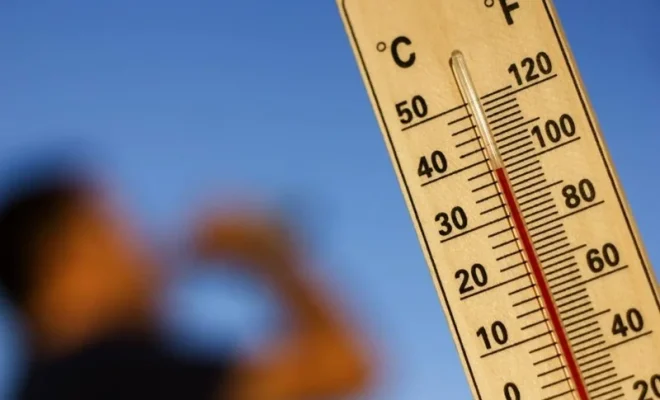
The summer weather system which India experienced in the past showed strong patterns because it brought extreme heat through predictable cycles. The Indian heatwave has created a new pattern which replaces the previous natural rhythm.
The former seasonal pattern now exists as an extended period of environmental distress. Rising temperatures from the northern plains to the southern coast now occur earlier in the day and stay active for longer periods, while becoming more intense, which causes changes in everyday activities.
The emerging India heatwave crisis is no longer a question of discomfort; it is increasingly a question of habitability. The once separate climatic identities of Delhi and Chennai now combine to create a shared danger, which includes extreme heat that persists for extended periods.
The Scale of the India Heatwave Crisis
The intensity of the Indian heatwave is no longer anecdotal; it is measurable and escalating. The early 2026 temperature records showed that multiple regions experienced extreme heat because their temperatures increased from 4°C to 8°C above the normal temperature range.
The spread of this phenomenon presents a more serious danger to society. Research shows that approximately 57% of Indian districts, which contain about 76% of the total population, currently face high to very great danger from extreme heat.
Delhi: Heat Stress as the New Normal
Nowhere is the Indian heatwave more visibly severe than in Delhi. The capital has long experienced extreme summers, but recent trends indicate a shift from episodic heatwaves to persistent heat stress.
Estimates suggest that nearly 75% of Delhi is now classified as heat-stressed, with large parts of the city facing high to very high vulnerability. Temperatures have frequently approached or crossed extreme thresholds, with past summers touching nearly 50°C in some areas.
What makes Delhi particularly vulnerable is not just temperature, but density. Urban congestion, limited green cover, and extensive use of heat-absorbing materials create conditions where heat accumulates and lingers. The result is a city where relief is scarce even at night.
Chennai: Heat Meets Humidity
Delhi experiences hot, dry weather, whereas Chennai faces a more dangerous combination of heat and humidity. The Indian heatwave crisis manifests itself in different ways here although its effects remain equally severe.
Recent forecasts indicate that Chennai could experience multiple days of heatwave conditions during the summer months, which will cause substantial discomfort and health risks for people. At the same time, surveys show that extreme heat is already the most widely felt climate impact among residents, with a majority reporting direct heat stress.
The city face additional challenges because its urban design creates obstacles. Research shows that built-up areas in Chennai generate higher temperatures because of the urban heat island effect, which turns dense neighbourhoods into everlasting heat danger areas.
People cannot cool their bodies in these conditions, which makes the India heatwave more dangerous for people living in coastal cities.
The Urban Heat Trap
A defining feature of the India heatwave crisis is the role of cities themselves in amplifying heat. Urbanisation, while economically beneficial, has created environments that trap and intensify heat.
Concrete structures, asphalt roads, and shrinking green spaces absorb heat during the day and release it slowly at night. This leads to what scientists describe as the “urban heat island” effect, where cities remain significantly hotter than surrounding rural areas. In some cases, urban areas can be several degrees warmer than nearby green zones.
The consequence is that nights, once a time for cooling, are no longer providing relief. Studies indicate that nights are warming faster than days in many parts of India, reducing the body’s recovery time and increasing health risks.
The India heatwave is thus not just a daytime phenomenon it is a 24-hour cycle of heat stress.
Health, Productivity, and Survival
The impact of the India heatwave crisis extends far beyond temperature readings. It directly affects health, productivity, and economic stability.
Extreme heat is linked to rising cases of heatstroke, dehydration, and cardiovascular stress. Past data indicates tens of thousands of heat-related illnesses during severe summers.
For outdoor workers, construction labourers, street vendors, delivery personnel the India heatwave is not avoidable. It becomes a daily occupational hazard. Even indoor workers are not immune, particularly in areas with unreliable electricity or inadequate cooling infrastructure.
Productivity declines as working hours shrink, and economic activity slows. The cost of coping with heat through cooling, healthcare, and lost income adds to the burden.
Are Cities Becoming Unlivable?
The question of whether cities like Delhi and Chennai are becoming unlivable is not rhetorical. It is increasingly grounded in scientific concern.
Habitability is not defined solely by whether people can survive, but by whether they can live safely, productively, and with dignity. The India heatwave crisis challenges all three.
As temperatures rise and humidity increases, certain conditions approach what scientists describe as “wet-bulb” limits beyond which the human body cannot effectively cool itself. While such extremes are not yet widespread, the trajectory is concerning.
Moreover, the burden of the India heatwave is uneven. Those with access to air conditioning and insulated housing can adapt. Those without are left exposed. This creates a stark inequality, where habitability becomes a function of income.
A Policy Response That Lags Behind
India has implemented heat action plans and early warning systems as part of its response to the India heatwave crisis. The existing measures still operate mainly as emergency responses. The process of urban planning still needs to establish complete climate resilience methods.
Multiple cities experience a decline in green cover because of construction activities that disregard thermal efficiency and because developers encroach on water bodies. The public lacks essential knowledge about climate change and its impacts.
Climate awareness campaigns fail to reach most people in cities that face extreme heat conditions which results in their limited understanding of climate issues. India will experience increasing heatwave intensity until the country implements structural solutions to control the problem.
Epilogue: A Future That Demands Urgency
The India heatwave crisis has become a current emergency because it exists as an active threat. The cities of Delhi and Chennai remain habitable at this time but their situation develops toward dangerous thresholds which cause major public health worries.
The challenge requires people to develop strategies which enable them to cope with increasing temperatures. The solution needs urban design to be completely developed while cities need to build infrastructure that withstands climate developed while cities need to build infrastructure that withstands climate changes and their needs to protect at-risk communities.
The India heatwave will change all Indian summers and it will create a new definition of urban life through its impact on cities. The question about urban temperature increases has shifted to examine whether cities will stay habitable in future decades.
You May Also Like
1. Explore Karnataka PUC Result 2026 Updates?
Check the latest result date, time, and direct links to access your Karnataka 2nd PUC results بسهولة.
2. Discover RTE Gujarat 2026 Admission Process?
Explore eligibility criteria, required documents, and step-by-step application details for RTE Gujarat admissions.
3. Check Air India Tel Aviv Flight Status?
Discover why flights are suspended and explore the latest updates on Delhi–Tel Aviv route changes.
4. Explore How To Change Google Username?
Check simple steps to update your Google account name quickly and easily without confusion.
5. Discover How To File ITR Easily?
Explore a beginner-friendly guide to file your income tax return online without needing a CA.