Boiling Point: Is India Becoming Unlivable in Summer?

A Nation at the Edge of Heat Tolerance
The India heatwave is no longer a seasonal inconvenience it is fast becoming a national crisis. What was once dismissed as routine summer discomfort has evolved into a pattern of extreme, prolonged, and dangerous weather conditions. Across the country, the heatwave in India is intensifying each year, raising a troubling question: is India slowly becoming unlivable during peak summer months?
The answer, increasingly, appears to be yes.
From Seasonal Heat to a Permanent India Heatwave Crisis
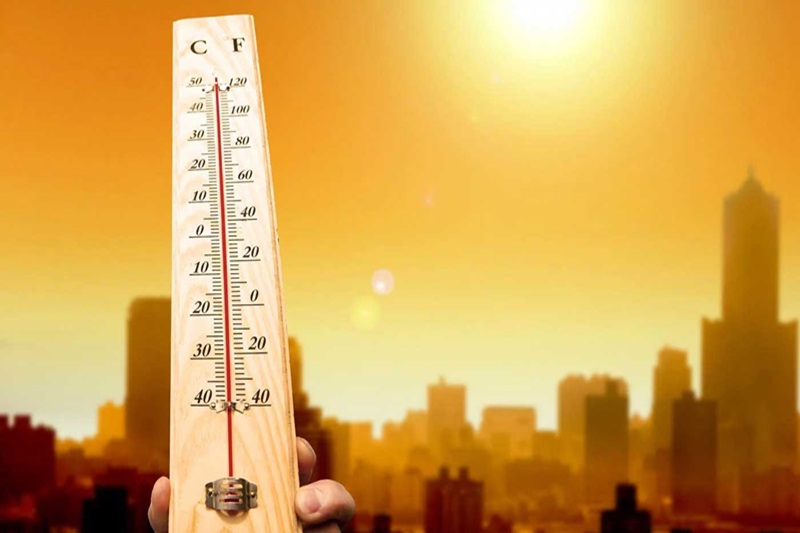
The India heatwave has shifted from isolated events to a recurring phenomenon. Every year, the heatwave in India arrives earlier, lasts longer, and hits harder. Temperatures exceeding 45°C are no longer rare they are expected. More concerning is the rise in night-time temperatures, which reduces recovery time for the human body.
This escalation is not accidental. The growing India heatwave pattern is closely tied to climate change, where global warming is amplifying the intensity of extreme weather events. Yet, despite the scale of the crisis, the heatwave in India continues to be treated as a temporary disruption rather than a structural threat.
The Silent Emergency Behind the India Heatwave
The India heatwave is one of the deadliest climate events, but it remains underreported. Unlike floods or earthquakes, the damage caused by a heatwave in India is often invisible making it easier to ignore.
Each year, the India heatwave leads to rising cases of heatstroke, dehydration, and cardiovascular stress. Hospitals see increased admissions, yet the crisis rarely makes headlines with the urgency it deserves. The heatwave in India disproportionately affects those who cannot escape it daily wage workers, street vendors, and labourers who must work under the sun to survive.
For millions, the India heatwave is not an inconvenience it is a daily health risk.
Urban India: Amplifying the Heatwave in India
Cities are at the centre of the India heatwave crisis. Rapid urbanisation, loss of green cover, and concrete-heavy development have intensified the impact of the heatwave in India. The urban heat island effect ensures that cities remain hotter for longer durations.
The India heatwave is further worsened by poor urban planning. Overcrowded housing, limited ventilation, and heat-absorbing materials create conditions where escaping the heat becomes nearly impossible. While air conditioning offers relief, it also increases energy demand and contributes to the larger India heatwave cycle.
More importantly, access to cooling remains unequal. The heatwave in India exposes a stark divide between those who can afford protection and those who cannot.
Rural India: The Economic Face of the India Heatwave
The India heatwave is not just an urban crisis it is deeply rural as well. Agriculture, which sustains millions, is increasingly vulnerable to the heatwave in India. Crops fail, water sources shrink, and livestock suffers.
The economic consequences of the India heatwave are significant. Productivity drops sharply during extreme heat, particularly in labour-intensive sectors. As the heatwave in India intensifies, it directly impacts livelihoods, income stability, and economic growth. It is not just a climate issue it is an economic one.
Policy Response: Failing to Match the Scale of the India Heatwave
Despite the growing severity of the India heatwave, policy responses remain reactive. Governments issue advisories, close schools, and provide temporary relief—but these measures do little to address the root causes of the heatwave in India.
There is no comprehensive, nationwide strategy to deal with the India heatwave as a long-term crisis. Heat-resilient infrastructure remains limited, urban planning rarely incorporates climate adaptation, and labour protections during extreme heat are inadequate.
The heatwave in India is escalating faster than policy responses.
Climate Change and the Future of Heatwave in India
The India heatwave is a direct consequence of global warming. As temperatures continue to rise, the heatwave in India is expected to become more frequent and severe. Scientists warn that certain regions may approach “wet-bulb temperature” limits conditions under which the human body cannot cool itself effectively.
This makes the future of the India heatwave particularly concerning. If current trends continue, parts of India could experience conditions that are not just uncomfortable, but dangerous for sustained human activity.
The heatwave in India is not a temporary phase it is the new climate reality.
The Inequality of the India Heatwave
One of the most troubling aspects of the India heatwave is its unequal impact. Those with access to air conditioning, better housing, and flexible work can shield themselves. Those without remain exposed.
The heatwave in India highlights deep social inequalities. It affects the poor more severely, making it not just an environmental issue, but a matter of social justice. The burden of the India heatwave is not shared equally it is concentrated among the most vulnerable.
Conclusion: A Country Heating Faster Than Its Response
The India heatwave is pushing the country toward a dangerous threshold. While India may not yet be entirely unlivable, the increasing intensity of the heatwave in India suggests that parts of it are heading in that direction during peak summers.
The warning signs are clear. The India heatwave demands urgent, structural action not temporary fixes. Without long-term planning, climate adaptation, and policy reform, the heatwave in India will continue to worsen.
If ignored, the India heatwave will not just define summers it will redefine how, and where, people can live.