
Winter Chill Intensifies: IMD Warns of Cold Wave in North & Central India
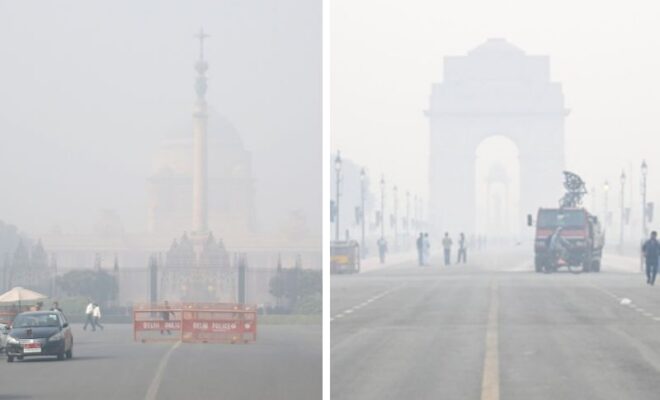
A cold wave warning has been issued by the India Meteorological Department (IMD) and the temperatures and heavy fog cover the entire of northern and central India with dangerously low temperatures prevailing in such states as Punjab, Haryana, and Rajasthan. It is predicted that the conditions are going to get worse in the next few days where temperatures will go down to even more in both plains and hilly areas. Much fog is adding to the travel disruption, and cold waves and cold days are predicted in some states. People are now advised to exercise caution especially the elderly, children and people with chronic diseases as the winter chill grips the country.
Cold Wave Spreads Over Major States
According to the India Meteorological Department, cold wave conditions are expected to dominate much of North and Central India in the period leading up to the first week of January where the temperatures are going to drop substantially below normal temperatures. The projections done by the departments reveal that Punjab, Haryana, and Rajasthan would be some of the worst hit by the severe cold wave with minimum temperatures dropping drastically in most of the districts. Other states, such as Madhya Pradesh, Chhattisgarh, Jharkhand, Odisha are also very probable to be covered by bitter cold conditions due to intensification of the winter front.
Travel Disruptions & Dense Fog
The cold wave is also being worsened by heavy fog that is lowering visibility of highways and in airports throughout the region. The thick to heavy fogs will keep occurring in the mornings resulting in delays and cancellations in the flight schedules and slack road traffic. The visibility is also still poor so schedules may also be affected by rail passengers. The advisory issued by IMD encourages commuters to be cautious and plan in advance in places where fog occurs.
Health Advisory and Safety Measures
As the cold wave conditions continue to increase, the health officials highlight the danger of hypothermia, respiratory problems, and other associated diseases. The elderly, underage children and the persons with underlying health conditions are the most vulnerable. The citizens are encouraged to remain indoors as much as possible, dress up in warm attires and shun the cold winds as much as possible. The negative impact of this severe cold spell can be reduced by ensuring that the home is insulated and the sources of heat.
Impact on Daily Life and Infrastructure
The profound cold and blanketing fog are already influencing the day-to-day lives, with schools being closed early in certain areas and early life deliveries and canceled transportation. The rural areas, especially, are experiencing more severe effects as a result of having limited access to healthcare facilities as well as heating. There is also pressure on power supply and water systems as they are needed to heat and provide support services. The authorities are organizing actions in a bid to help vulnerable groups in the midst of the cold wave.
Looking Ahead
Meteorologists reckon that the prevailing cold wave is most likely to continue in the next few days where temperatures will still be way below seasonal averages. The citizens are also encouraged to attend to the local weather warnings and keep abreast of the varying weather conditions with trusted sources. The extreme cold should be expected to be long lasting in all the states affected, particularly in Punjab, Haryana, Rajasthan.