
Holashtak Starts Feb 24: Key Dates, Ritual Pause Tips & What To Avoid
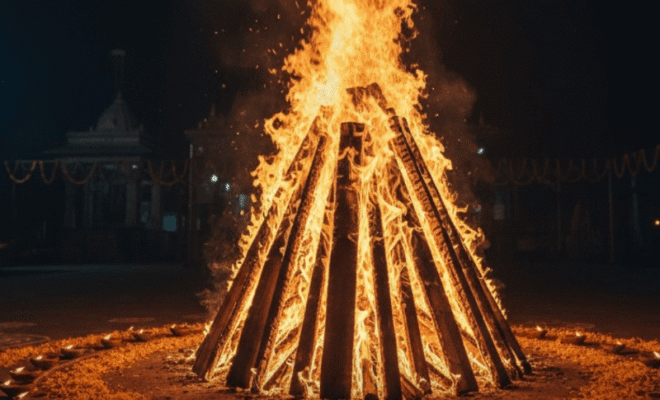
Holashtak 2026 begins on Tuesday, February 24, and continues until Holika Dahan on March 3, with Rangwali Holi on March 4. During this eight-day window before Holi, many Hindu families traditionally pause major auspicious ceremonies and focus more on prayer, restraint, and charity. Reports across Indian media this week also note a visible rise in searches around “what to avoid” and “Holashtak dates” as Holi planning picks up.
Dates, Do’s And Don’ts People Commonly Follow During Holashtak
Holashtak is generally observed from Phalguna Shukla Ashtami to Holika Dahan/Purnima, and many families avoid events like weddings, engagements, housewarming ceremonies, and new ventures during this period. The belief varies by family tradition and region, so practices are not identical everywhere.
Common do’s include daily puja, diya lighting, mantra jap, scripture reading, and daan (charity). Many households also use this time for spiritual discipline instead of social celebration.
Why This Period Feels More Active Online In 2026
This year, Holashtak started right as Holi-related content began trending, so newsrooms and devotional pages pushed quick explainers, reels, and festival calendars. One example is this post by LatestLY on X covering the start date and significance.
A Quick Practical Note
If your family follows Holashtak customs, check your local priest or regional panchang tradition before fixing dates, since interpretations and timing emphasis can differ slightly by community.
FAQs
1) When does Holashtak 2026 start?
It starts on Tuesday, February 24, 2026, and continues for eight days before Holi celebrations.
2) When does Holashtak end in 2026?
Holashtak ends on March 3, 2026, with Holika Dahan observed on the full-moon night.
3) What do people avoid during Holashtak?
Many avoid weddings, engagements, housewarmings, and starting major new ventures or auspicious ceremonies traditionally.
4) What is usually recommended during Holashtak?
Prayer, charity, mantra chanting, scripture reading, and simple spiritual discipline are commonly encouraged practices.
5) Is Holashtak followed the same way everywhere?
No, customs vary by region, family tradition, and local religious guidance or panchang interpretation.