
France Bans Forever Chemicals: Are Indian Cosmetics Still Safe for Consumers?
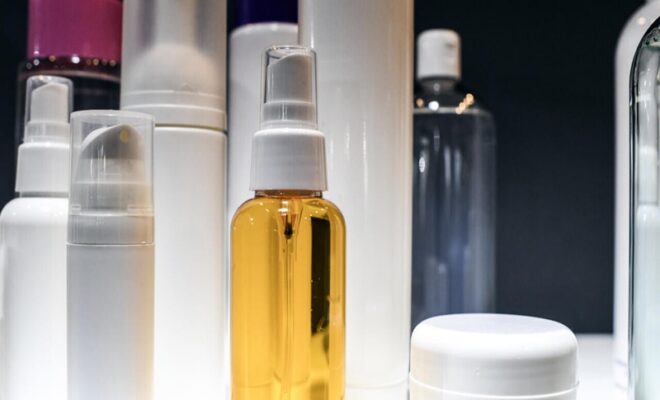
France is one of the first large countries that prohibit forever chemicals in consumer products, such as cosmetics, starting January 2026. Such chemicals are referred to scientifically as PFAS, and they do not decompose easily and stay in the environment and the human body decades. The ruling has posed some significant questions to the world consumers, in particular, to India where regulations are yet to be developed. This paper discusses the meaning of forever chemicals, why they are prohibited in France, their health impacts and whether Indian cosmetics have forever chemicals or not. It also discusses the regulatory loopholes in India and consumer awareness on what they ought to know to save themselves.
What Are Forever Chemicals?
Forever chemicals refer to a collection of synthetic chemicals referred to as the PFAS (per- and polyfluoroalkyl substances). They have a great thermal resistance, which is waterproof, stainproof and durable. Forever chemicals are used in non-stick cookware, waterproof clothing, food packaging and in numerous beauty products.
The biggest issue with forever chemicals is that they do not in nature decompose. After discharge, they remain in the environment and gradually build up in the soil, water and animals as well as humans.
Why Did France Ban Forever Chemicals?
Years of scientific research revealed the negative outcomes of forever chemicals on human health and the environment, and France banned them forever. Studies associate the exposure to PFAS with hormonal imbalance, decreased immunity, fertility and even some cancers.
The other point that environmental activists raised was the manner of how forever chemicals pollute the water sources and find their way into the food chain. Despite making the conclusion law not as strict as the initial proposals, the decision of France is considered a big step while the organization of worldwide chemical safety.
Do Indian Cosmetics Contain Forever Chemicals?
Yes, forever chemicals, primarily waterproof, long and oil-resistant products (essentially foundations, sunscreens, lipsticks and mascaras) continue to be used in many Indian cosmetics.
In an international study conducted in 2021, over 50 percent of the tested cosmetics had an amount of fluorine that indicated the presence of PFAS despite it not being on the label. Indian dermatologists attest that forever chemicals are usually employed to enhance the performance of the product, to make it more water-resistant and durable.
Health Risks of Forever Chemicals
The forever chemicals accumulate gradually in the body. The constant contact may suppress the immune system, disrupt hormones, disrupt fertility and cause cancer. The fact that these chemicals take years to dissipate in the body means that even minimal exposure to them in day to day life brought about by cosmetics and domestic products can be perilous.
Regulatory Gaps in India
India does not have any stringent regulations restricting forever chemicals in cosmetics, water or consumer products as is the case in France. There are draft proposals, which are yet to be made law. This unregulation also implies that forever chemicals are still in free play by manufacturers and the consumers are not well safeguarded.