
Festival-Led Tourism: Unlocking India’s Cultural Calendar for Sustainable Growth
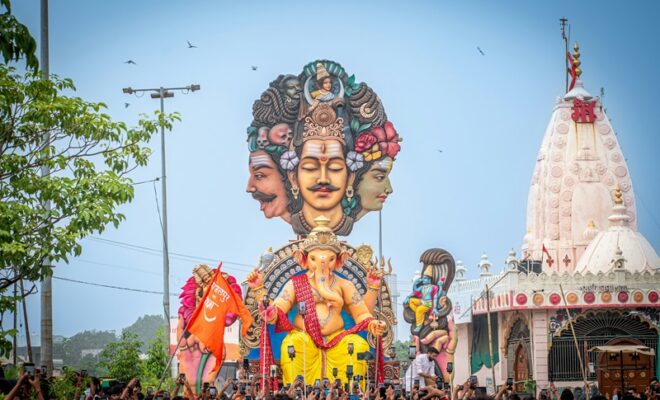
Tourism around festivals has the huge potential of transforming the travel and hospitality industry of India beyond its current scale by converting its rich cultural calendar into organised and bookable events. India boasts of more than 100,000 festivals all over regions, religions and seasons, which is an unexploited cultural advantage. Although the world destinations are able to cash in on signature festivals and use them to boost their tourism demand, India is still waiting to fully package and market its festivals as tourism products. Festivals can enhance occupancy, minimize seasonality and decentralize economic impacts by integrating infrastructure, hospitality, digital platforms, and community involvement, among others.
India’s Untapped Festival Advantage
The diversity of festivals in India like the religious and harvest festivals, art and music festivals, or the tribal festivals of India leaves behind no chance of tourism throughout the year. Most festivals, however, are localised and informal and they are not promoted in a formal way. Indian festivals are hardly marketed as travel destinations in the world unlike the Oktoberfest in Germany or the cherry blossom season in Japan. The tourism festival can fill this gap as it transforms the cultural experiences into tourist destination packages that appeal to the local and foreign travellers.
Festival Tourism as a Structured Experience
Purely, the festival-led tourism concept is premised on the transformation of time-based celebrations into planned tourism product. In the case of the hotels and hospitality firms, the festivals provide predictable peaks in demand, improved yield control, and the differentiation of experience. Cultural festivals like Durga Puja in Kolkata, Rann Utsav in Kutch, Hornbill Festival in Nagaland and Thrissur Pooram in Kerala show how culturally managed experiences can help spur creative visitation away from price-related competition.
From Community Celebration to Cultural Asset
In order to truly monetise festivals in a responsible manner, the cities need to realise that festivals are a part of culture and not community events. This does not imply over commercialising but careful packaging. Festivals that can be traveled to need to be equipped with infrastructure and have fixed schedules and ticketing services, crowd management, safety, sanitation, and online presence. Hotels can act as the key players in that they can provide hotel stays with festival themes, special menus, workshops, guided tours, and exhibitions of artisans – to lengthen their duration and create additional revenue.
Reducing Seasonality and Spreading Tourism
Festival-led tourism has one of the most powerful advantages which is the minimization of seasonality. Most of the festivals are conducted in shoulder or off-peak seasons and in non-metro areas. This spreads the tourist traffic naturally, fills rooms, and relieves congestions in overpopulated destinations. Included in an inclusive tourism value chain are smaller towns, rural locations, homestays, local guides, artisan, and food producers.
Digital Discoverability and Access
The visibility is still a significant bottleneck. An interactive searchable calendar of National Digital Festivals by date, region, and theme can a great deal increase the discoverability. By including festivals in travel portals, booking platforms, and state tourism websites, the festival-led tourism can be bookable and accessible all over the world.
Protecting Authenticity and Sustainability
Cultural integrity has to be preserved through monetisation. There must be community ownership, revenue-sharing systems, capacity constraints, and environmental protection. Waste management, green mobility and reduction of plastics are some of the sustainable practices that would see to it that festival led tourism adds value to destinations, and not drains them.