
Fajr Prayer Times in India for October 2, 2025 – Full City List
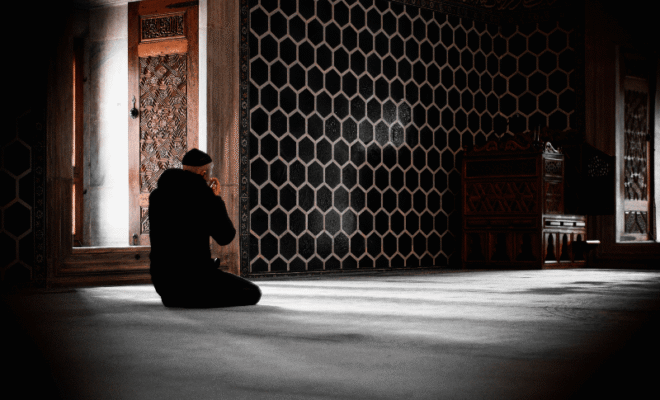
Before the first bus honks, before chai stalls drag their shutters up, the azaan calls out. On October 2, 2025, the Fajr Prayer Times once again opens the day across India. The timing matters. Not just because the clock says so but because the sky itself shifts. Fajr prayer time in India on this date is different for each city, as highlighted in recent India news updates.
A few minutes here, a few minutes there. It shapes who wakes up when, who stirs first, who slips quietly out the door while the rest of the neighbourhood still sleeps.
Fajr Prayer Time in Major Indian Cities (October 2, 2025)
The gap between east and west shows itself most clearly in the numbers.
| City | Fajr Time |
| New Delhi | 04:56 |
| Mumbai | 05:12 |
| Chennai | 04:53 |
| Hyderabad | 04:58 |
| Kolkata | 04:24 |
| Bengaluru | 05:01 |
New Delhi
Delhi wakes at 4:56 AM for Fajr. By October, mornings carry a nip. That kind of air that bites just enough to remind you winter isn’t far. The azaan carries across rooftops, mixing with the faint smell of early morning fires lit by street vendors. Water taps clatter as families wash. It’s still dark, yet the city feels on edge, waiting to burst into its usual noise.
Mumbai
Mumbai’s time is later, 5:12 AM. The city never gives you real silence. Even at this hour, there’s the groan of taxis near Dadar, the hiss of steam from tea boiling on some corner. The azaan here doesn’t dominate the air — it joins it. Neighbourhoods like Dongri fill quickly. Wet pavements shine under dim lights. Some worshippers walk briskly, slippers tapping, others shuffle, still half-asleep. And the sea air, always present, clings to everything.
Chennai
At 4:53 AM, Chennai’s Fajr feels warmer. The humidity sticks, as if the city doesn’t cool down even at night. The azaan rolls down narrow lanes in Triplicane, bouncing between small houses and roadside stalls. A tea kettle whistles. Someone slams shut a wooden gate. People head to mosques, some wiping sweat from their foreheads before the prayer even begins. The routine is familiar, but it never feels lazy.
Hyderabad
Hyderabad marks Fajr at 4:58 AM. Around Charminar, the azaan echoes against domes and arches. The smell of parathas frying drifts in early from nearby kitchens. Flowers strung for doorways brush against shoulders as men step out, beads in hand. A rooster crows somewhere distant, mixing with the voice from the loudspeaker. Hyderabad mornings carry history in the air, and Fajr here feels like a thread tying the old to the present.
Kolkata
Kolkata’s is the earliest, 4:24 AM. The city feels damp, heavy. Mist hangs low, and even rickshaws stand still, their covers beaded with dew. For a moment, it feels like time has stopped. Then the azaan breaks the stillness. It climbs through narrow alleys, bounces over the Hooghly. Families stir, children rub eyes, lights flicker on one by one. Most of the city still sleeps, but for the faithful, the day has already begun.
Bengaluru
At 5:01 AM, Bengaluru is cooler than most cities. The azaan rises in Shivajinagar, crisp and clear. Fans slow as households stir. Someone coughs, a door creaks, slippers slap against staircases as worshippers hurry down. The city known for its tech hum feels stripped of noise at this hour. Only the sound of prayer cuts through, sharp and steady.
Regional Differences in Fajr Timings Across India
Look at the table again: 4:24 AM in Kolkata, 5:12 AM in Mumbai. Almost fifty minutes apart. That’s geography. East sees the first light, west waits longer. Simple, but it changes daily life in ways that outsiders might not notice.
Northern regions shift even more with seasons. Winter pushes Fajr later. Summer drags it earlier. For families, that means constantly checking charts or apps. One day you’re up before 5, another week it’s closer to 6. Coastal belts, like Chennai or Mumbai, change less, but the heat makes even early mornings sticky and restless.
How to Check Accurate Daily Prayer Times?
Most households don’t gamble with guessing. Printed charts from mosques sit on fridges, walls, or tucked in calendars. Old-school, maybe, but reliable. Some keep pocket-sized booklets, flipping each day to check the exact minute.
Phones have taken over too. Apps buzz on bedside tables. Alarms stack one after another because nobody wants to oversleep. Still, ask anyone and they’ll say the azaan itself is the real signal. That sound, bouncing across rooftops, settles the matter.
So on October 2, 2025, Kolkata will rise at 4:24. Delhi at 4:56. Mumbai at 5:12. Different minutes, different air, but the same call. A country this wide, yet the same dawn rhythm ties it together, reminding believers to prepare for Tomorrow Fajr Prayer Times as much as today’s.