
India Introduces e-Passport System to Transform International Travel Experience
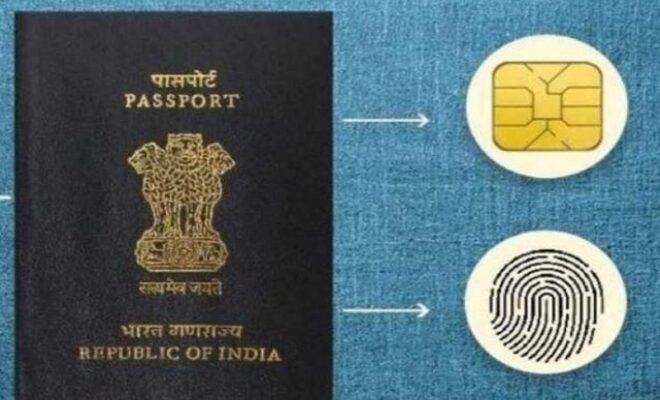
India has officially entered the new era in the world of travelling, as the system e- Passport India has been introduced in India, a significant digital improvement that is meant to provide an enhanced security level, better immigration service, and be in par with the international travel requirements. This program presents a smart passport that has an electronic chip with a secure storage of biometric and personal information of the carrier. As the international mobility increases and the issue of identity fraud is a matter of concern, the move by the government is expected to lead to expedited airport clearance and enhanced protection of documents. With the implementation taking place in some of the Passport Seva Kendras, Indian citizens are now set to enjoy a more hassle-free and secure trip to another country.
What Is an e-Passport?
An e-Passport is a new generation of the traditional passport which has a secured electronic chip on the back cover. This chip carries very vital biometric data including fingerprints, facial recognition data, and even digital signatures. This high technology feature makes sure the identity of the passport holder is not tampered, duplicated and defrauded thus, the Digital Passport is much secure than the standard travel documents.
Who Is Eligible to Apply for e-Passport India?
The e-Passport India can be applied by any Indian citizen having eligibility to receive regular passport. This includes:
- Applicants with the first-time passport.
- Passport renewal customers.
- Minors and adults
The system is presently being offered at a few Passport Seva Kendras (PSKs) and Post Office Passport Seva Kendras (POPSKs). The government will roll out this facility countrywide in stages.
How to Apply for an e-Passport in India
The procedure is mostly the same as when applying to the standard passport:
- Go to passport seva portal.
- Register or log in
- Complete application form.
- Pay the required fee
- Make a reservation in a PSK or POPSK.
At the time of his appointment, biometric information such as fingerprints and photographs are taken. After verification, the e-passport is printed with the embedded chip and sent to the registered address of the applicant.
Application Fee for e-Passport
The government has maintained the same level of fee as the traditional passports:
- ₹1,500 in a 36 page passport (10-year validity)
- ₹2,000 for a 60-page passport
- The lower charges are used in the case of minors.
There is no extra fee that is being charged on the electronic chip technology.
Key Benefits of e-Passport India
- Increased Security: Chip based authentication minimizes the risks of identity theft.
- Swift Immigration Clearing: The automated e-gates permit quick border crossings.
- International Acceptance: Observes International Civil Aviation Organization (ICAO) standards.
- Tamper Proof Technology: Prevents the use of forged passports.
- Digital Verification: Facilitates a smooth international system of verification.
Why e-Passport Is a Game-Changer for India
Implementation of e-Passport India system is a significant milestone in the digital governance experience in India. It enhances border security, promotes global collaboration and indicates the desire of India to embrace the global best practices in the travel documentation. With more of them adopting them, the Indian travelers will no longer have any issues with airport experience and will have greater confidence with the foreign immigration officials.