
Indian-Flagged Tanker Desh Garima Arrives in Mumbai: Key Details, Significance & What It Means for Fuel Prices
Last updated on July 10th, 2026 at 11:09 am
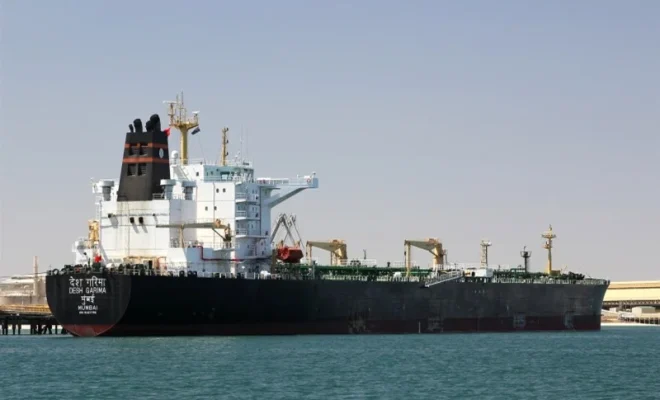
The arrival of the Desh Garima tanker India at Mumbai marks an important development in the country’s energy logistics and maritime capability. As an Indian-flagged oil tanker, its entry into a major port like Mumbai highlights India’s growing focus on strengthening domestic shipping capacity and securing energy supply chains.
At a time when global oil markets remain volatile, such developments are being closely watched not just for operational reasons, but also for their potential impact on fuel prices and energy security.
What Is Desh Garima and Why It Matters
The Desh Garima tanker India operates as an Indian-flagged crude oil tanker because it operates as a registered vessel under India maritime law and operates according to Indian maritime regulations.
The distinction matters because foreign-flagged vessels handle most of India’s oil imports which shows the need for Indian-operated tankers. The expansion of Indian-flagged tankers will decrease our need for overseas shipping services and provide us with better control over our shipping operations.
The arrival of Desh Garima in Mumbai signals a step toward enhancing India’s self-reliance in energy transportation.
Role in India’s Oil Supply Chain
India depends on international markets to fulfill most of its energy requirements because it stands as one of the largest crude oil importing countries in the world. The Desh Garima tanker India functions as a supply chain element by delivering crude oil from foreign markets to Indian refineries.
The crude oil gets transformed into various fuels which include petrol and diesel and aviation turbine fuel after the unloading process. Supply stability and disruption reduction depend on transportation systems which need to function with both efficiency and reliability. The system receives additional strength through the existence of more Indian-flagged vessels.
Why Indian-Flagged Tankers Are Important
The significance of the Desh Garima tanker India goes beyond a single shipment. It reflects a broader strategic shift in India’s maritime and energy policy.
Indian-flagged vessels offer advantages such as better regulatory control, improved compliance with national standards, and reduced exposure to geopolitical risks affecting international shipping.
In times of global uncertainty such as conflicts, sanctions, or trade disruptions. It is having a stronger domestic fleet can help maintain continuity in oil supply.
Impact on Fuel Prices
The Desh Garima tanker which belongs to India creates important uncertainty about its future impacts on fuel pricing throughout the nation. The arrival of one tanker does not bring immediate effects on petrol and diesel prices.
Fuel prices in India are determined by a combination of factors which include global crude oil prices and exchange rates and taxes and refining costs. The long-term benefits of increasing Indian-flagged tankers will enable better logistics operations which will decrease shipping expenses.
The shipping expenses decrease which results in steadier product costs that remain unchanged through times of worldwide market instability. The actual effects of the process established better supply chain dependability which leads to price stabilization in the market.
Explore More Trending News You Shouldn’t Miss
Explore Why LPG Tanker Nanda Devi Matters?
Explore how this tanker strengthens India’s energy logistics and supply chain efficiency.
Discover Iran Oman Corridor’s Trade Impact?
Discover how this free transit plan could reshape global oil trade and regional connectivity.
Check How Iran War Affects India Oil?
Check what the conflict means for India’s oil supply, prices, and energy security.
Explore Top Aircraft Carriers and Capabilities?
Explore the world’s most powerful carriers, their size, features, and military strength.
Discover Russia’s Offer to Build Oil Tankers?
Discover how this proposal could boost India’s shipbuilding and energy transport capacity.
Global Context and Strategic Timing
The arrival of the Desh Garima tanker India comes at a time when global oil markets are experiencing fluctuations due to geopolitical tensions, production decisions by oil-producing countries, and changing demand patterns.
In such an environment, ensuring uninterrupted supply becomes a priority for countries like India. Expanding domestic shipping capacity is one way to mitigate risks associated with international logistics disruptions.
This makes the tanker’s arrival not just a routine event, but part of a larger strategic approach.
Broader Economic Implications
Beyond energy supply, the development of Indian-flagged shipping capacity has economic implications.
It supports the domestic maritime industry, creates employment opportunities, and contributes to the growth of allied sectors such as ship management and logistics.
The Desh Garima tanker India is part of this broader ecosystem, reflecting efforts to build capacity in strategic industries.
Conclusion
The arrival of Desh Garima in Mumbai is more than just the docking of another oil tanker. It represents a strategic move toward strengthening India’s control over its energy supply chain and reducing reliance on foreign shipping networks.
While it may not lead to immediate changes in fuel prices, its long-term impact lies in improving efficiency, stability, and resilience in the energy sector.