
Inside Australia’s 2026 Shark Pattern: Why Attacks Feel More Frequent
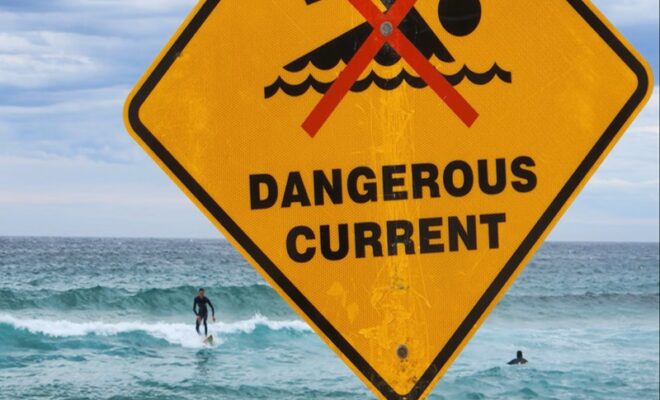
Australia’s shark attack story feels bigger in 2026 because several incidents happened close together, not necessarily because sharks have suddenly “changed.” In New South Wales, four shark attacks were reported within 48 hours in January, prompting widespread beach closures and intense media coverage across Sydney and the east coast. Reuters and ABC both pointed to storm-related ocean conditions as a major factor behind this cluster.
What Is Driving The Rise And Which Australia 2026 Attacks Are Being Tracked?
The strongest explanation right now is environmental conditions plus human exposure. Reuters reported heavy rain, murky water, and runoff creating conditions more likely to attract sharks and reduce underwater visibility, which can increase accidental encounters.
ABC also reported NSW had its highest number of January shark attacks in a decade, citing the Australian Shark Incident Database (ASID). Taronga describes ASID as Australia’s leading/principal shark-bite data source and notes it is dynamically updated.
For official updates, check ABC News Australia, Reuters coverage, and this official Reuters X post.
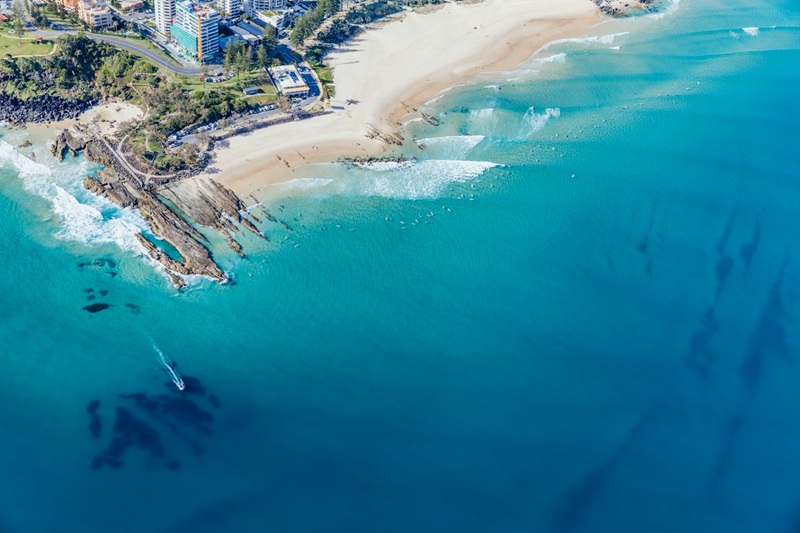
List Of Reported Australia Shark Attacks In 2026 So Far
- Vaucluse, Sydney Harbour (Shark Beach area), 18 January: A 12-year-old boy was critically injured after jumping from rocks into brackish water; ABC reported friends pulled him out and gave first aid.
- Dee Why, NSW, 19 January: An 11-year-old surfer escaped injury after a shark bit a chunk from his surfboard.
- North Steyne, Manly, 19 January: A 27-year-old surfer suffered severe leg injuries and was taken to hospital in critical condition.
- Point Plomer, NSW Mid North Coast, 20 January: A 39-year-old surfer suffered minor cuts and grazes after a shark bit his board.
Why This Matters Beyond Headlines
Reuters later reported that the Vaucluse victim, Nico Antic, died in hospital on 24 January, which deepened public concern and pushed stronger debate around drone patrols, smart drumlines, and beach warnings. At the same time, experts continue to stress that long-term risk remains low compared with how often Australians use beaches.
FAQs
1. Are shark attacks really increasing in Australia in 2026?
Clustered incidents increased headlines, but experts say conditions and exposure are key drivers.
2. Why do attacks rise after heavy rain?
Murky runoff lowers visibility and can attract bait fish and bull sharks.
3. Which shark species is often suspected in Sydney-area incidents?
Bull sharks are often suspected, especially in murky and brackish waters.
4. What should swimmers avoid during shark-risk periods?
Avoid murky water, post-storm swims, isolated beaches, and closed areas.
5. Is the 2026 list above complete for all Australia?
No, it covers widely reported January 2026 incidents highlighted by major outlets.