
Aquaculture booms in Asia as marine fisheries stall, study finds
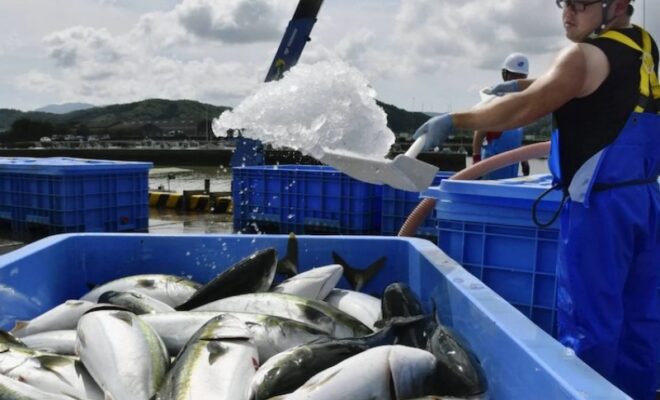
Aquaculture in Asia is also taking a huge turn in food production with the aquaculture boom in Asia as marine fisheries grind to a halt along the coastline. According to recent research, the increase in the demand of the seafood industry, coupled with the shrinking of the wild fishes, is forcing several countries in the Asian region to rely heavily on aquaculture. Countries such as China, India, Indonesia, Vietnam, and Bangladesh are in the forefront of this shift, since they are embracing the practices of modern fish-farming. Although the expansion is beneficial in terms of employment, exports as well as food requirements, analysts caution that sustainable measures are essential to save the ecosystem. The paper identifies the necessity of better regulations, technological advancements, and long term planning in order to balance marine and inland fish production.
Asia’s Aquaculture Growth Outpaces Traditional Marine Fisheries
The research observes that there has been a tremendous growth in aquaculture production in Asia in the past decade due to population increase and rising seafood markets. China and India have increased their freshwater and coastal aquaculture capacity by two-fold and more with the introduction of high yield fish species, developed hatchery systems and more efficient feed technologies. Conversely, overfishing, pollution, climate change and habitat destruction continue to stall marine fisheries. This imbalance is compelling policymakers to change investments towards inland and coastal aquaculture in order to satisfy market demand.
Why Marine Fisheries Are Stalling
Asian marine fisheries are subject to several burdens. The major species such as tuna, sardines, and mackerel have been overharvested. The increasing sea temperatures have interfered with the breeding patterns and the coral reefs and mangroves have been destroyed by industrial pollution and coastal development. The paper concludes that in Asia almost half of the marine fishing areas are overexploited or fully exploited. The situation has also been aggravated by limited government control and unlawful fishing. This decrease has compelled most fishing communities to rely on aquaculture to have a constant income and all year round production.
The Economic and Social Impact of Aquaculture Boom
The aquaculture boom in Asia has contributed a lot to the local economies. Millions of fishermen are abandoning the traditional fishery to fish farming which provides jobs in rural and coastal regions. Export of shrimp, tilapia, pangasius and carp have been on the increase in countries such as Vietnam and Indonesia. Aquaculture has also enhanced food security since it offers cheap protein to the low-income groups. But analysts caution that the fast growth without proper planning may cause water pollution, outbreak of diseases and excessive use of land resources.
Sustainability Measures Needed for Long-Term Growth
The research emphasizes that even as aquaculture booms in Asia as marine fisheries stall, governments need to tighten environmental standards. Aquaculture can be made more sustainable by introducing fish species that are resistant to climate changes, enhancing the wastewater systems, and advancing feed that is environmentally friendly. Through the training of fish farmers in the modern techniques and by keeping a careful watch over them, too will help in protecting the natural ecosystems. A combination of balance in the development of the wild fisheries and aquaculture is necessary to ensure the long-term supply of seafood in Asia.