
Alaska Summit Ends Without Ceasefire as Trump and Putin Deliver Symbolism Over Substance
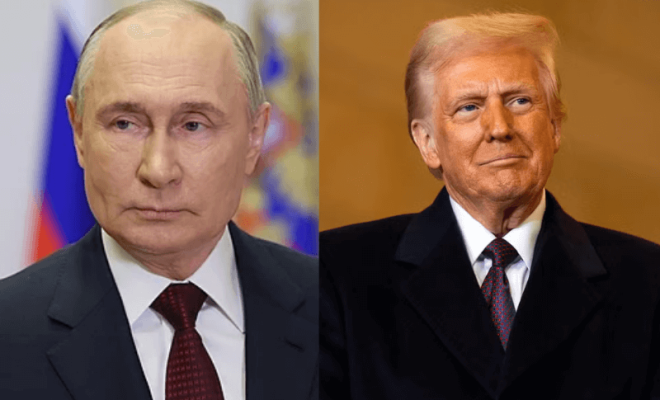
The high-profile summit between the U.S. President Donald Trump and Russian President Vladimir Putin concluded in Anchorage, Alaska, without any agreement on halting the ongoing war in Ukraine. Despite global anticipation and Trump’s earlier promises of swift diplomatic success, the talks ended with vague statements and no concrete outcomes.
This marked Putin’s first visit to Western soil since the onset of Russia’s full-scale invasion of Ukraine in February 2022. The choice of Alaska for the summit was not without significance. Formerly part of the Russian Empire, the region was sold to the United States in 1867 for $7.2 million, a transaction initially criticized as wasteful, but later recognized as a strategic and economic triumph for the U.S., given Alaska’s rich reserves of natural resources.
Upon arrival, Putin was met with ceremonial honors and a red carpet welcome by President Trump at a U.S. airbase. The gesture stood in stark contrast to Trump’s recent, less cordial reception of Ukrainian President Volodymyr Zelenskyy in Washington. Analysts noted that Putin’s symbolic presence in Alaska, historically “Russian America”, offered the Kremlin a diplomatic and psychological advantage.
Following nearly three hours of closed-door discussions, the two leaders delivered public statements without taking questions. Putin opened the briefing with a light, yet calculated remark: “Good afternoon, dear neighbour,” referring to the geographic proximity of Russia and Alaska.
He described the meeting as “long overdue,” and stated that “many important issues were discussed,” including the situation in Ukraine. Putin expressed hope that the discussions would be perceived constructively by Kyiv and European capitals, warning against efforts to derail what he described as “nascent progress.”
President Trump echoed similar sentiments, asserting that “many points were agreed to,” though he declined to provide specifics. “There is no deal until there is a deal,” he said, admitting that a few key issues remained unresolved. Trump emphasized his intention to consult with NATO allies and Ukrainian leadership before making further decisions. “It’s ultimately up to them,” he added.
Despite previously threatening “severe consequences” if Russia failed to agree to a ceasefire, Trump announced no new sanctions or punitive actions. When asked later in a televised interview, he offered a noncommittal response, stating that further measures “might be considered in two or three weeks.”
The summit concluded with Putin extending an invitation to Trump: “Next time, in Moscow.” Trump, visibly caught off guard, responded, “I might get a little heat on that one… but I could possibly see it happening,” leaving the door open to further dialogue.
Read Also: Trade Tensions, Visa Shocks & Policy Shifts: The Trump 2.0 Timeline So Far
Trump Announces Tariff Increases on Indian Imports
In a policy shift announced shortly after the Alaska summit, President Trump imposed new tariffs on Indian imports, citing the need to protect American industries from what he called “persistent trade imbalances.” The revised trade measures include a 10% tariff increase on pharmaceuticals, textiles, and select engineering goods from India.
While framed as a domestic economic move, analysts view the decision as part of Trump’s broader strategy to project strength following the largely inconclusive talks with Russia. The Indian government has expressed concern and is expected to respond diplomatically.