
Winter Fairs That Reveal India’s Living Traditions
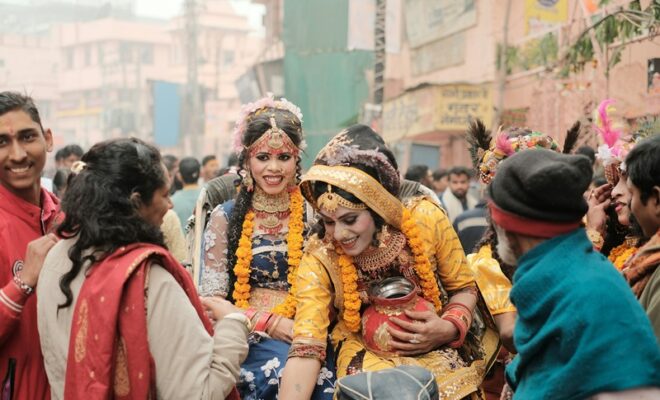
During winter when ancient traditions are revived by vibrant winter fairs India becomes a colorful cultural canvas that provides a great opportunity to see the living traditions in India. The fairs are not a seasonal activity rather an immersion experience of the culture of a community so as to highlight heritage, craftsmanship, folklore, food and spirituality. The traditional arts and performances the visitors are exposed to when they relate with various regional identities include traditional arts, local performances, and handcraft. Winter fairs provide an insight into deep rooted practices of India, which is still alive, all the way up to the deserts of Rajasthan down the valleys in Assam. They give us a hint of how the heritage is preserved, respected and given to the next generations and the cultural continuation appears to be vibrant, reflecting values similar to those discussed in The Importance of Gratitude in Indian Culture.
The Cultural Essence of Winter Fairs in India
Indians see winter as the ideal time to conduct festivals and general contacts of people. The pleasant weather embraces the tourists and artists as well as the local people to participate well. Winter fairs are the festivals of rural life displaying millennium-old rituals, folk dances, music traditions, native games and local crafts. They also play a very significant role in making sure that they encourage the local artists who rely on these fairs as the source of livelihood and exposure. A good number of these fairs are not only old but also held with the same faith to date and they are done to show the India’s Living Traditions that are prosperous despite modernization.
Major Winter Fairs That Celebrate India’s Heritage
1. Pushkar Fair, Rajasthan
One of the most prominent cultural events in the world, where spiritual practices are united with the cultural spectacle, is the Pushkar Fair. It is an authentic expression of the Rajasthani culture regarding camel trading, folk music, desert sports and colorful markets. It is a good model of continuity of cultures in life, as it has ancient origins.
2. Hornbill Festival, Nagaland
A beautiful presentation of the tribal practices is offered by the Hornbill Festival that is conducted every December. It brings all the Naga tribes together based on traditional dances, warrior dances and local arts in a bid to savor unity in diversity. It is a monument of the Indian ways of life in tribes.
3. Gangasagar Mela, West Bengal
This is a religious festival that is celebrated in Held as Makar Sankranti. Those who are real believers take holy dips and engage in charities. The fair reveals the spiritual origins of Indian culture which has been held for centuries.
4. Rann Utsav, Gujarat
The desert of white salt is transformed into a marvelous carnival place with tents, music, craft, and local food. It has Kutchi forms of art and promotes the ancient cultural identity in the region.
Why Winter Fairs Matter Today
These fairs are the culture conservators in the rapidly modernizing world. These are utilized to rekindle the old art, folk culture and reinforce the connection of the society. It is through such meetings that the young generation is educated on what heritage is and the tourists receive the actual fragment of India. Winter fairs do not only boost rural economies, but also make sure that the India’s Living Traditions are still echoing in the world.