
Why India Rethought Its T20 World Cup Combination: The Shubman Gill Call
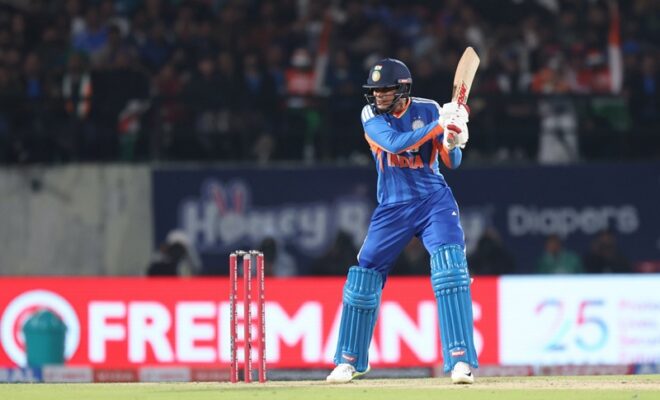
A ruling that Shubman Gill had been dropped off the list of India in the T20 World Cup team caused a lot of outrage in the world of cricket. Having been known as a fine player of the straight, and an excellent in longer forms, Gill was generally supposed to have belonged to the last team, especially considering his consistency across formats and his presence among players with the Most Runs in Tests for India in 2025.
Nevertheless, the process of choice meetings indicated the opposite course due to changing T20 strategies and performance indicators. It was not a step of doubting the talent of Gill but to match the squad to a set game plan to play in the high-pressure international tournaments. To know why Shubman Gill was dropped is in itself an insight of how the thinking of modern T20 in India is, as a country where in most cases, adaptability and impact tend to carry the day more than reputation.
Inside the Selection Room: Tough Calls and Fine Margins
The selection committee in India had one of the most difficult choices in the event of finalising the T20 world cup squad. Negotiations were allegedly based on existing form, strike rate and role clarity. Although Gill has remained among the most talented batters in India, they did not believe that recent T20 shows were exactly what the selectors wanted in the aggressive template that they were pursuing at the top of the order.
The discussion was vigorous, and the experience and temper of Gill were taken into consideration. However, the panel eventually voted on the side of players who would offer explosive beginnings or an additional maneuverability in batting spots, which affected the final determination that Shubman Gill was dropped.
Performance Metrics and Tactical Fit
A key reason as to why the decision was made was due to the need to have quicker scoring on powerplay. In the preceding T20 performances, Gill showed a strong strike rotation but the selectors preferred to have batters who can always take the bowling attacks at the first ball. In the contemporary T20, such marginal changes in strike rate and boundary percentage can change the choices in the selection.
The management also concentrated on the match-ups with certain bowling styles to be anticipated in the world cup. In this regard, alternatives were perceived to be more appropriate in responding to diverse circumstances and counter strategies of opposition in the T20 World Cup team.
Team Balance Over Individual Brilliance
The other important element was balance in a team. The selectors focused on the players who were capable of batting aggressively but still providing extra competencies that include wicketkeeping or versatile fielding. This strategy enabled the team to strengthen its batting line and be flexible without sacrificing the bowling combinations.
Although the omission of Gill left many people shocked, the selectors felt that the combination adopted provided the India team with a more flexible and attacking team. This philosophy eventually affected the reason why Shubman Gill was dropped, despite his good credentials.
What This Means for Gill and Indian Cricket
In the case of Shubman Gill, the failure might act as his driving force in the run-up to the next T20s. His future in Indian cricket is also safe because he has shown his skills in all the formats. In the case of Indian cricket, the move means an obvious transition to situational and tactical choices and not automatic ones.
The shift highlights the degree of competition and dynamism in selection especially in the T20 format where roles keep on being redefined.