
India’s Economy Is Booming, But Why Is the Indian Rupee Tumbling?
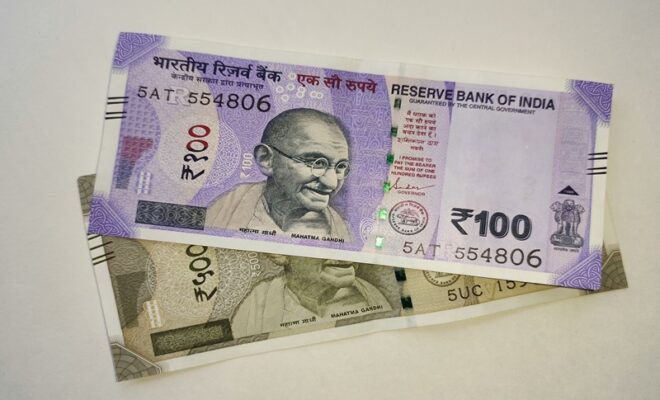
India remains one of the fastest-growing major economies globally with robust domestic consumption, government infrastructure investment, and start-up ecosystem. In spite of this great growth narrative, the Indian rupee has been gradually depreciating in terms of the US dollar. This seeming paradox brings critical concerns to investors, business, and common people. Although economic growth is an indicator of strength, currency value is pegged on a number of international and internal factors. Due to increased crude oil prices, the changes in the interest rates around the globe and the outflows of capital, there are numerous forces which are influencing the movement of the rupee. These forces are significant in knowing the true economic stand of India.
Strong Growth of the India Economy
The GDP growth in India is strong in comparison with most of its peers in the world. The driving growth is through manufacturing, digital services, infrastructure projects, and consumer spending. Government programs such as the Make in India and huge investments in roads, ports and railways by the government have empowered the India economy locally. India is also a long-term destination for foreign companies because of its young population and growing middle classes.
Why the Indian Rupee Is Under Pressure
The Indian rupee is under severe external pressure even though its growth is high. The US dollar power is the largest one. The Federal Reserve in the US has maintained a high level of interest rates as a way to curb inflation to the benefit of the global investors in dollar assets. Since money is leaving emerging markets such as India the demand of the rupee is weak.
Oil Imports and Trade Deficit Impact
India is an import of more than 85% of its crude oil. Rising prices of oil in the world market force India to increase its expenditure on imports using more dollars. This adds to the trade deficit and further degrades the Indian rupee. Trade gap increases imply that there is increased demand for dollars and reduced demand for local currency.
Foreign Investment and Market Volatility
The foreign institutional investors (FIIs) contribute significantly to the flow of currency. In an uncertain global environment, the FIIs tend to withdraw funds in the Indian markets to the US, which is considered to be a safe asset. The value of the rupee is easily affected by even a slight change in the mood of the investment.
Inflation and Interest Rate Gap
Another important factor is the control of inflation. As long as inflation in India is still high compared to the economies of the developed countries, the purchasing power of the rupee will be low. In addition, the foreign capital flows decrease in case the interest rates of India are not attractive enough to the international rates.
What Does a Weak Rupee Mean for India?
There are both merits and demerits of falling Indian rupee. Indian exports on the positive side are made cheap and competitive in the world market. Nonetheless, imports, particularly of fuel, electronics and fertilizers, are more expensive and this makes consumers suffer inflation.
Government and RBI’s Role
The Reserve Bank of India (RBI) is an aggressive liquidity provider that buys dollars using forex reserves to ameliorate sudden volatility. Although this will help in stabilizing sudden shocks, the long-term strength of the rupee relies on the conditions in the world, the growth of exports and the inflow of capital.
Conclusion
The story of booming growth and a weakening Indian rupee might seem to be contradictory but they are caused by various economic factors. Domestic demand is still high but the value of the rupee is strongly determined by global dollar dominance, oil import bills, flow of investment, and recent developments such as the IMF Reclassifies India’s Forex update. In the long term, enhancement of the manufacturing exports, decreasing the reliance on imports and stable inflation will play an important role in currency stability.