How the UAE’s Seven Dynasties Govern Together in Harmony
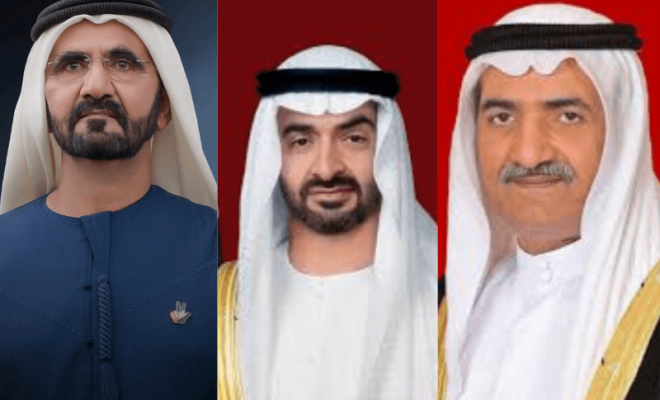
The United Arab Emirates has a unique position in the world given its one-of-a-kind political system. It is the only country in the world where seven monarchies collaborate within a federal environment. Each emirate still retains its ruler and traditions, but they all share a national leadership. This dual balance of autonomy and unified governance allows the UAE to be robust, stable, and futuristic — a unique development in today’s Middle East
Strong Roots in History
The UAE’s royal families extend beyond their political leaders — they are part of a long and historical tribal community. Many royal families, especially those associated with Abu Dhabi and Dubai, come from members of the Bani Yas, which is a confederation that helped to shape the nascent identity of the nation. These historical and tribal connections allow for trust among the ruling families, creating a collegial environment to work together, if not amicably, without power-striving or conflict.
Zero coup Zero revolutions
Since the UAE was founded in 1971, it has not experienced a coup or revolution. This is very unusual in the region. Since power is passed down hereditarily, the rulers come from royal families. This allows for long-term planning, stable leadership, and predictable government. When the Federal Supreme Council meets, which consists of the rulers of the seven emirates, they cooperatively make decisions about important national matters. This process is collegial, rather than competitive, offering stability for progress.
Each Emirate has its character and strengths
One of the most significant benefits of the United Arab Emirates is that each emirate provides something to the overall experience found in the UAE. All of which combine to help foster a balanced national identity:
Dubai – The Face of the Modern Day UAE
Dubai is known around the globe as a modern-day vibrant city. It is the leader in tourism, global commerce, real estate, and technology. With it’s luxury lifestyle, iconic skyscrapers, and vision for a smart city, Dubai encapsulates the future of the UAE.
Read Also: UAE 2035: Five Sectors Driving Economic Transformation
Abu Dhabi – The Powerhouse of Wealth and Policy
As the capital city, Abu Dhabi has the predominant political and economic power in the UAE. It has its rich reserves of oil and home to sovereign wealth funds. It is a major conformational component to the UAE’s foreign policy and long-term financial policy.
Sharjah – The Cultural and Educational Hub
Sharjah is the cultural center of the UAE. It is famous for its many museums, libraries, art centres, and festivals. It has an important role to play in keeping the heritage of the Emiratis alive, and also helps promote education and creativity.
Ras Al Khaimah, Fujairah, Ajman, and Umm Al Quwain – Evolving as Distinct Places
In the northern emirates, each emirate is developing its own economic identity:
- Ras Al Khaimah is investing in manufacturing and real estate.
- Fujairah has waterfront property that facilitates shipping and trade.
- Ajman is developing in industry and small business development.
- Umm Al Quwain focuses on fishing, agriculture, and eco-tourism.
Trusted Rulers with a Clear Vision
The decentralized strength of the UAE allows for diversification in more than one area of economic growth.The vision of the rulers is what distinguishes the UAE, who spend heavily on education, health, innovation, and citizen happiness. Their vision is highly supported by citizens and continues to grow the UAE into an important player on the world stage. Even in times of global crisis or uncertainty, the UAE is an attractive, open, and safe place from which to live, invest, work, and build international partnerships.
Read Also: The UAE’s Nine Types of Zero Taxation are Enticing International Millionaires
Why It Works
- Hereditary Stability: Keeping power in families allows groups to smoothly transition from one leader to another and implement clear and consistent policy.
- Balanced Federalism: Each emirate has local governments representing their interests and powers, while simultaneously being united in governance under the Federal Government
- Authority. Mutual Trust: Familial and tribal connections established through deep historical relationships tend to be more about cooperation than competition.
A global symbol of sustainability
The system is uniquely suited to offer a hybrid of traditional rules with modern societal efficiency; thus, the UAE has benefited from capable leadership, significant topical to human capital investments, and sovereign diplomatic efforts. It has achieved both substantial domestic support and global support. It is this solid foundation that allows the UAE to be a capable beacon for foreign investment and foreign talent, professional workers, and educated talent. It has become more than just an enlightened oasis surrounded by dynamic states- it has emerged as a hub for foreign investment, human capital, and innovation- an oasis of calm in a chaotic region.