
Shekha Jheel Ramsar Site Explained | Aligarh Tourism Boost
Last updated on July 10th, 2026 at 11:09 am
The declaration of the Shekha Jheel Ramsar site marks a major milestone for both environmental conservation and tourism in Aligarh. With this recognition, Shekha Jheel becomes India’s 99th Ramsar site, placing it among globally significant wetlands protected under international guidelines.
This status is expected to enhance the region’s visibility, attracting birdwatchers, nature enthusiasts, and eco-tourists while also strengthening conservation efforts.
What Is a Ramsar Site
The Shekha Jheel Ramsar site designation comes under the Ramsar Convention, a global agreement focused on the conservation and sustainable use of wetlands.
Ramsar sites receive recognition because they protect essential ecological sites which help sustain biodiversity and maintain water systems while offering essential areas for migratory bird breeding.
The international network of wetland protection which monitors Shekha Jheel now includes this area because of its demonstrated environmental significance.
Why Shekha Jheel Is Important
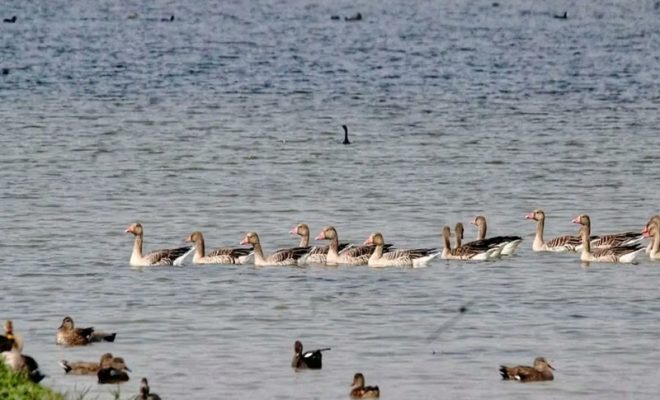
Shekha Jheel functions as a freshwater wetland which provides a habitat for numerous bird species that visit during their migration period. The Shekha Jheel Ramsar site is known for hosting both resident and migratory birds, including species that travel thousands of kilometres from regions like Central Asia and Europe.
The wetland area supports local ecological balance through its protection of aquatic species and plant life and its function as a water recharge source.
What This Means for Birdwatchers
For birdwatchers, the Shekha Jheel Ramsar site designation is a significant development.
Ramsar recognition often leads to improved conservation measures, better infrastructure, and increased awareness, making the site more accessible and attractive to visitors.
Birdwatchers can expect a richer and more protected habitat, increasing the chances of spotting diverse species, including rare and migratory birds.
The site could soon become one of the key birding destinations in northern India.
Boost to Local Tourism
The Shekha Jheel Ramsar site status is expected to give a strong push to tourism in Aligarh.
With increased national and international attention, the region may see a rise in eco-tourism activities such as birdwatching tours, photography, and nature walks.
This can benefit local businesses, including hotels, guides, and transport services, creating new economic opportunities for the community.
In many cases, Ramsar recognition leads to the development of eco-friendly tourism infrastructure, balancing visitor access with conservation needs.
You May Also Like
Is Infinix Note 60 Worth?
Discover price, specs, and performance details of the Infinix Note 60 Pro.
Which Phone Wins: Nord 6?
Explore the full comparison between OnePlus Nord 6 and Motorola Edge 70.
Should You Wait For Vivo T5?
Explore expected specs, features, and price of Vivo T5 Pro in India.
What’s New In Oppo F33?
Check out the latest specs, durability, and launch insights of Oppo F33 series.
Is Redmi Note 15 SE Good?
Discover launch date, pricing, and key specifications of Redmi Note 15 SE 5G.
Conservation and Environmental Impact
Beyond tourism, the Shekha Jheel Ramsar site designation strengthens conservation efforts.
It ensures that the wetland is protected from activities that could harm its ecosystem, such as pollution, encroachment, or unregulated development.
Authorities are likely to implement stricter monitoring and management practices to preserve the site’s biodiversity.
This not only benefits wildlife but also supports long-term environmental sustainability in the region.
What It Means for the Local Community
For residents of Aligarh, the Ramsar recognition brings both opportunities and responsibilities.
While increased tourism can boost income and development, it also requires careful management to ensure that the ecological balance is maintained.
Community involvement will be crucial in protecting the wetland while benefiting from its growing importance as a tourist destination.
Conclusion
The recognition of Shekha Jheel as India’s 99th Ramsar site is a significant step for both conservation and tourism. It highlights the ecological value of the wetland while opening new opportunities for sustainable travel and local development.
For birdwatchers and nature enthusiasts, it offers a new destination rich in biodiversity. For the region, it marks the beginning of a new phase of visibility and growth.