
Raj Kapoor’s Awara and Its Enduring Legacy in China
Last updated on April 6th, 2026 at 11:27 am
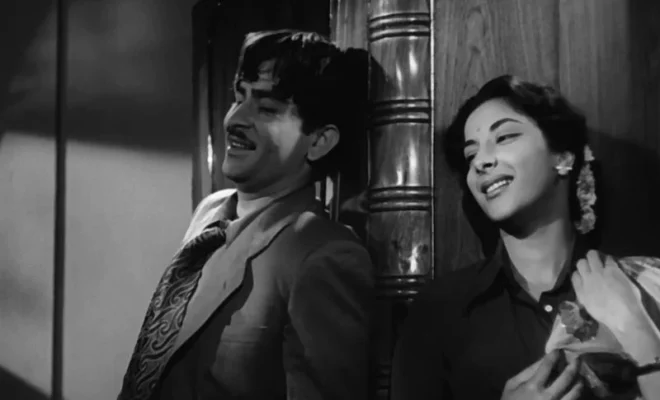
The 1951 classic film Awara by Raj Kapoor is a landmark in Indian cinema history as well as an important cultural link between India and China. The film was released during a time of strengthening diplomatic relations and was well received by Chinese audiences, who remain influenced by the film many years later.
Historical Introduction
In China, Awara was released in 1955 as part of an “Indian Film Week,” which was able to occur partly due to the very good relationship between the two countries through Prime Minister Jawaharlal Nehru and Premier Zhou Enlai. The film was changed to Liulangzhe (The Vagabond) for its release in China, and was screened on a nationwide basis, with record attendance at almost every screening. In fact, it has been estimated that over 100 million tickets were sold for the film, making it one of the most-viewed foreign films in Chinese history.
Ideological Appeal of Mei Shang Yan Fu
This film focuses on the issues of class struggle, social origins versus social class, and the critique of a rigid legal system, all of which were consistent with the ideals of Mohist philosophy. Mao Zedong was reported to greatly admire this motion picture, especially because of the popular song, Awara Hoon, which expressed ideas of freedom and courage. This film established India as a “third world” country, creating its own path towards modernization different from Western views.
Cultural Influences of Mei Shang Yan Fu
Raj Kapoor’s portrayal of the tramp (or vagabond) became more than a character in a film; he became a cultural icon in China. His appeal due to his tenderness and sentiment has inspired many generations of Chinese filmmakers, who have used his example in developing their own storytelling techniques. For example, the film Platform later depicts rural movie theatres filled with people watching Awara, demonstrating Awara’s impact on aesthetic and emotional values.
Broader Implications of Mei Shang Yan Fu
Together with Shree 420, Awara contributed to the emergence of Bollywood cinema as a form of soft power and has created a loyal fan base that spans many generations. The melodrama, music, and family values portrayed through the films created a cultural legacy that continues to be felt today during China’s reform era.
FAQs
1. When was Awara first screened in China?
The movie debuted in 1955 during the Indian Film Week, when diplomatic relations between India and China were strong.
2. What were some reasons for the popularity of Awara in China?
The themes of class struggle, justice, and social mobility in the film reflected the principles of Maoism.
3. What impact did Raj Kapoor have on Chinese pop culture?
His water buffalo-like character, as well as his films, are part of the defining vision of many filmmakers. He has also inspired generations of followers within the film industry.
4. Has Awara had an effect on the creation of Chinese films?
Platforms is one of many films of that period that have been influenced by the aesthetic of Awara.
5. How has Awara become a part of India’s soft power?
This movie was a vehicle for cultural diplomacy, and one that demonstrated the power of Bollywood’s music, melodrama, and values, even though it existed beyond political borders.